
Ireland is welcoming to foreign couples and the legal process is clear once you start it early.
The non negotiable is three months of formal notice given in person to the registrar.
Build in time for documents, translations and, for some couples, an extra interview.
To marry legally in the Republic of Ireland you must give at least three months of notice in person to the HSE Civil Registration Service, pay the notification fee and attend an appointment together. Foreign couples can usually arrange this, and some may need an additional interview, so the safest move is to contact the registrar well before you set a firm date.
A clear process, and a country that knows how to host a wedding.
Ireland is one of the more straightforward European countries in which a foreign couple can marry legally rather than symbolically. The civil registration system is national, the language is English and the registrars are well used to international couples. The one fixed requirement that shapes everything else is the notice period.
You must give a minimum of three months of notice of your intention to marry, and you must do it in person at an appointment with the HSE Civil Registration Service. Both partners attend together. At that meeting the registrar checks your documents, records your details and, assuming all is in order, issues the Marriage Registration Form that authorises your ceremony.
The honest caution is timing rather than difficulty. The three months is a legal minimum, not a target. Appointments can be busy in popular offices, documents from outside the European Union may need an apostille or official translation, and couples where one or both partners is a foreign national may be asked to attend a further interview with the registrar. None of this is unusual. It simply needs to be started months ahead of the day you have in mind.
The legal path, in the order you will actually walk it.
Treat this as the spine of your planning. Confirm the current detail directly with the HSE Civil Registration Service, as fees and document rules change.
Contact the registrar early
Reach out to the HSE Civil Registration Service as soon as you have a rough date and area in mind. You need an appointment slot, and the three month clock only starts once you give notice in person.
Gather your documents
Typically passports, birth certificates and proof of address, plus papers showing you are both free to marry. Birth certificates issued outside the European Union may need an apostille or legalisation, and non English documents usually need a certified translation.
Give notice in person
Both partners attend the notification appointment together and pay the notification fee, which is an indicative EUR 200 at the time of writing. Couples living abroad can sometimes apply to give initial notice by post with the registrar's permission, but still attend an in person meeting once in Ireland.
Attend any extra interview
Where one or both of you is a foreign national, the registrar may require an additional interview before issuing the paperwork. This is a routine check, not a barrier, but it needs to fit inside your timeline.
Collect the Marriage Registration Form
Once notice is satisfied, the registrar issues the Marriage Registration Form. This is the document that legally authorises your ceremony, so you cannot marry without it.
Marry, then register
Hold your civil, religious or secular ceremony with a registered solemniser, have the form signed by you, your witnesses and the solemniser, and return it so the marriage is formally registered.
The practical things, told straight.
There is no single price for the legal side, but the core cost is modest next to the wedding itself. Treat all figures as indicative January 2026 guidance and confirm with the registrar.
The notification fee
The civil notification fee is an indicative EUR 200 and is non refundable. A civil ceremony at a registry office carries a further fee, while a ceremony at an approved external venue costs more. Confirm current amounts when you book.
Documents and translations
Budget for certified copies, apostilles on documents issued outside the European Union and certified translations of anything not in English. These are small sums individually but take time to obtain, so start early.
Secular and humanist ceremonies
Ireland legally recognises ceremonies conducted by registered secular and humanist solemnisers, not only civil and religious ones, which gives couples real freedom over the style and location of the legal ceremony itself.
Marrying legally at home instead
Some couples prefer to complete the legal marriage quietly at home and hold the celebration in Ireland as a symbolic ceremony. Both routes are valid. A local planner can advise which is simpler for your nationality and timeline.
A good Irish planner removes the guesswork.
The legal steps are clear on paper, but appointment availability, document rules for your nationality and the gap between notice and ceremony are where couples lose time. A planner who works Ireland will line up the registrar, the solemniser and the venue so the dates actually fit together. Tell us your situation and we will connect you.
Browse our Ireland plannersIreland, legally answered.
How long does it take to get married in Ireland?
+
You must give at least three months of formal notice in person to the registrar before the ceremony, so plan on a minimum of three months from your notification appointment, and longer once you allow time to book the appointment and gather documents.
Can foreign couples legally marry in Ireland?
+
Yes. Foreign couples can marry legally in Ireland. You follow the same notification process, and where one or both partners is a foreign national the registrar may ask for an additional interview. Confirm current document requirements for your nationality early.
How much does it cost to give notice?
+
The civil notification fee is an indicative EUR 200 and is non refundable, with further fees for the ceremony itself depending on whether it is at a registry office or an approved venue. Confirm the current figures with the HSE.
Do we both have to attend in person?
+
Yes. Both partners must attend the notification appointment together. Couples living abroad can sometimes apply to give initial notice by post with the registrar's permission, but still attend an in person meeting once in Ireland.
Are humanist and secular ceremonies legal in Ireland?
+
Yes. Ireland legally recognises marriages conducted by registered secular and humanist solemnisers as well as civil and religious ceremonies, which gives couples real choice over the style and setting of the legal ceremony.
Should we marry legally at home and celebrate in Ireland?
+
Some couples do exactly this to keep the paperwork simple, holding a symbolic ceremony in Ireland. It is a common and valid approach. A local planner can advise whether it saves you time given your nationality and date.


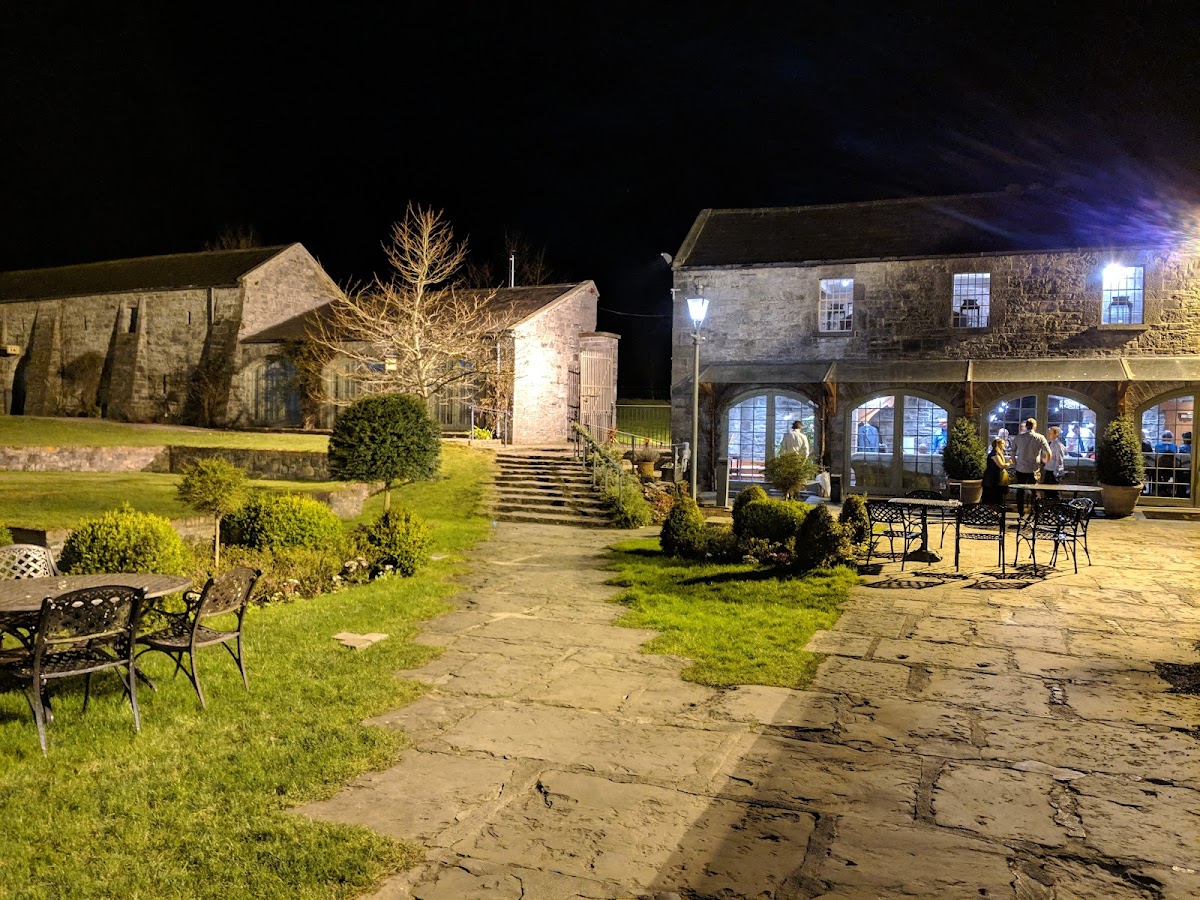
Photography is licensed stock from Unsplash, shown to evoke the setting. It does not depict a specific venue.
Tell us your date and we will line up the right planner.
Share your rough date and where in Ireland you hope to marry. We will connect you with a planner who knows the registrar timelines and can keep the legal steps on track.
No cost to you. We reply within two business days. Your details go only to our team.
Subscribe to The Aisle.
A considered letter on the places worth marrying, sent when we have something genuinely worth your time.
Join free and get our season by destination cheat sheet, the best months to marry in each place.
The Destination Wedding Budget Planner
Every real cost category, indicative ranges by destination, and a season calendar, in one clear worksheet. Enter your email and we will send it over.