One choice, two very different timelines
Most couples marrying abroad face the same fork: a legal ceremony in the destination, or a symbolic ceremony there with the legal marriage completed quietly at home.
Neither is right or wrong. A legal ceremony abroad means one event and real paperwork. A symbolic one means total freedom on the day and the admin handled separately.
The honest truth: for many destinations, the symbolic route is simpler, faster, and just as meaningful. But the answer depends on the country, so decide early.
A legal ceremony abroad makes your marriage binding in the destination country, which usually means residency periods, translated and apostilled documents, and local bureaucracy. A symbolic ceremony carries no legal force, so you complete a short civil marriage at home before or after, leaving the celebration abroad free of paperwork and restrictions. For many couples the symbolic route is the simpler choice, but the right answer depends entirely on the country you choose, so confirm its specific rules early.
What each path actually means
A legal ceremony abroad is exactly what it sounds like: the marriage is registered and recognised in the country where you celebrate, and from there in your home country once the certificate is translated and recorded. It is a single, binding event in one place.
A symbolic ceremony looks and feels like a wedding but carries no legal weight. The couple exchange vows, often led by a celebrant or a friend, in any setting they like, with no officiant requirements and no documents to file on the day. The legal marriage happens separately, usually a short civil ceremony at the local register office at home, before or after the trip.
The emotional weight is identical. Guests rarely know or care which one they are watching, and many couples find the symbolic ceremony more personal precisely because it is freed from legal scripts and venue restrictions. The difference is administrative, not romantic.
A simple way to weigh the choice
Start with the destination's rules
Some countries make legal marriage for foreigners straightforward, while others impose residency periods, blood tests, religious requirements, or long document chains. Research the specific country before anything else, because it often makes the decision for you.
Count the residency days
Several popular destinations require you to be in the country for a set number of days before you can legally marry. If that does not fit your trip, a symbolic ceremony abroad with the legal part at home is usually the answer.
Add up the paperwork
Legal marriage abroad typically needs birth certificates, certificates of no impediment, passports, and proof of any previous marriage ending, each often translated and apostilled. If that feels heavy, the symbolic route removes it from the destination entirely.
Decide where you want the date that counts
Some couples want their legal anniversary to be the day abroad. Others are happy for the binding date to be a quiet register office signing and the celebration to be the real memory. There is no wrong answer.
Confirm recognition at home
If you marry legally abroad, check exactly how your home country records a foreign marriage, including any translation and registration steps, so there are no surprises later with names, taxes, or visas.
Brief your planner and celebrant
Once you choose, tell your planner and your celebrant early. A symbolic ceremony gives a celebrant full creative freedom, while a legal one must include the wording and officiant the country requires.
The things couples underestimate
Time and stress
Legal marriage abroad concentrates the admin into your destination, often in another language. The symbolic route moves that admin home, where you understand the system, and frees the trip for celebrating.
Cost
A symbolic ceremony adds a small register office fee at home, but can save on translation, apostille, and local legal fees abroad. A legal ceremony abroad may cost more in paperwork than couples expect.
Freedom on the day
Symbolic ceremonies have no officiant or wording requirements, so you can marry on a cliff, a beach, or a rooftop, at any hour, led by anyone. Legal ceremonies must follow the country's format and approved locations.
The anniversary question
If it matters to you that the binding date is the celebration date, you will lean legal. If you are relaxed about a separate signing, symbolic gives you more freedom for less effort.
Why symbolic does not mean lesser
The word symbolic puts some couples off, as though it implies a pretend wedding. It does not. A symbolic ceremony is a full ceremony in every sense that matters on the day: vows, rings, witnesses, readings, and the moment a celebrant or a loved one declares you married in front of the people you care about most.
The only thing it lacks is the legal signature, and that is a feature rather than a flaw. Freed from a country's required wording and approved venues, a symbolic ceremony can happen anywhere, at any hour, led by anyone you choose, in whatever language and form feels true to you. Many couples find it more moving precisely because nothing about it is prescribed.
Behind the scenes, the legal marriage is usually a quiet ten minute appointment at a register office at home, attended by two witnesses and no fanfare. Couples often describe it as the practical errand that lets the real celebration be exactly what they want.
So the choice is not between a real wedding and a fake one. It is between holding the legal moment in your destination, with the rules that come with it, or holding it quietly at home so the destination day can be entirely yours. Framed that way, the decision gets a lot easier.
A rough guide by situation
Every couple is different, but some patterns hold. Use these as a starting point, then confirm the specific country's rules with a local planner.
Lean symbolic if
Your destination has residency periods or heavy paperwork, you want freedom over the setting and timing, or you would rather handle the legal side in your own language at home.
Lean legal if
Your destination makes foreign marriage simple, you want one event with the binding date abroad, and the document chain is manageable for your timeline.
Either works if
You have plenty of lead time and a strong local planner. With both, the legal route becomes far less daunting and the choice comes down to preference.
Take advice if
Visas, name changes, or cross border tax and inheritance are in play. In those cases the recognition details matter, so confirm them before you decide.
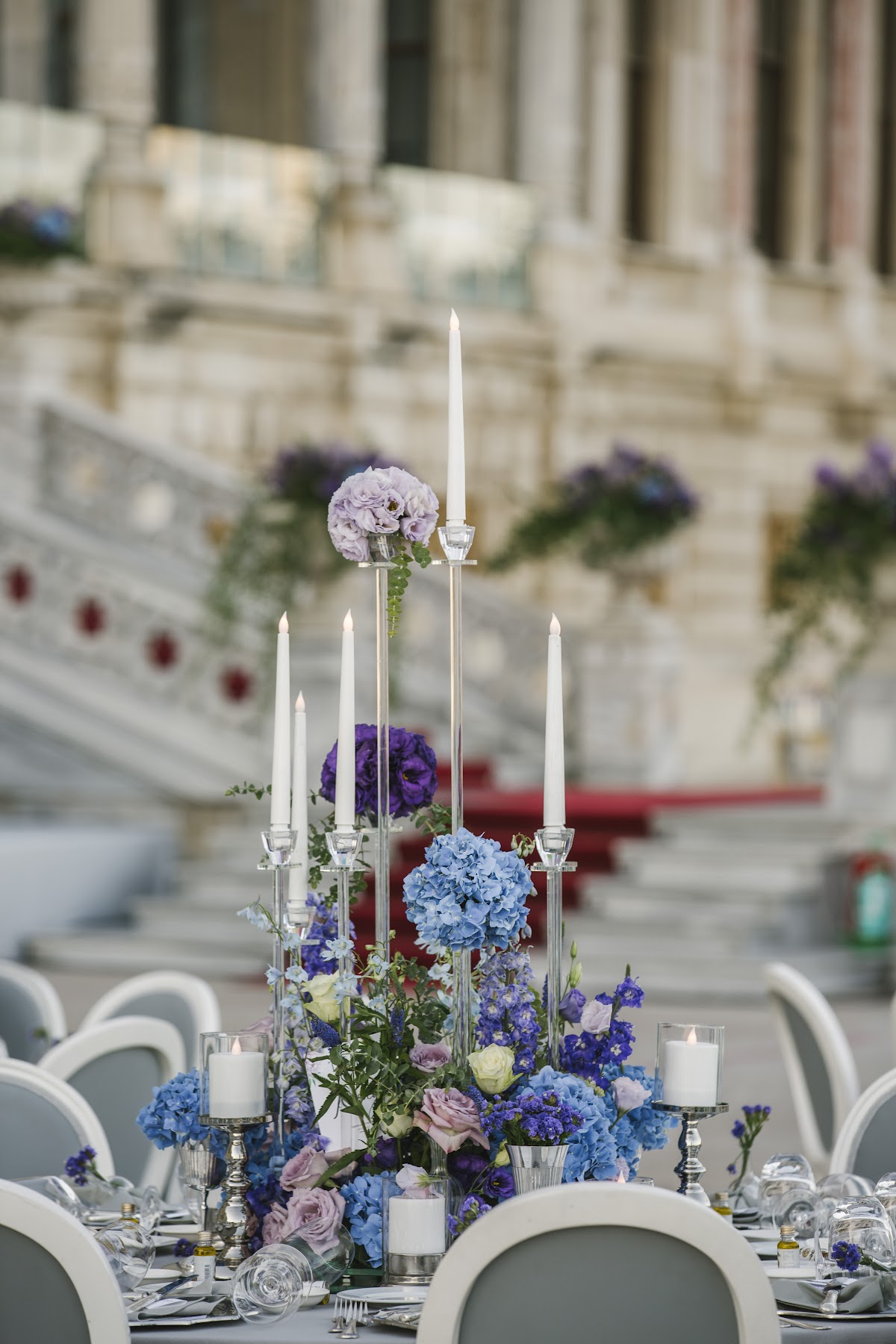


Photography is licensed stock from Unsplash, shown to set the mood. It does not depict a specific ceremony.
Answered plainly.
Is a symbolic ceremony a real wedding?
+Emotionally, yes. Legally, no. A symbolic ceremony has no binding force, so the couple complete a separate civil marriage at home. Guests experience it as a full wedding, because it is one in every way that matters on the day.
Which is cheaper, legal abroad or symbolic?
+Symbolic is often cheaper overall, because it avoids translation, apostille, and local legal fees, adding only a modest register office fee at home. Legal marriage abroad can carry more paperwork cost than couples expect.
Do guests know the difference?
+Almost never, unless you tell them. The ceremony looks and feels the same. The distinction is purely about which document makes you legally married and where it is filed.
Can we marry legally at home before the trip?
+Yes, and many couples do. A short civil ceremony at your local register office before you travel means you are legally married, and the ceremony abroad is a free, symbolic celebration.
Will a foreign legal marriage be recognised at home?
+Generally yes, but you may need to translate and register the certificate, and the steps vary by country. Confirm the exact process for your home country, especially if visas or name changes are involved.
How early should we decide?
+As early as possible. The choice shapes your document timeline, your venue options, and your travel dates, so settle it before you book flights or commit to a venue.
Planning a wedding in a destination wedding
Tell us where you dream of marrying and how you feel about the legal side. We will send a shortlist of venues that fit and introduce planners who know the local rules.
No cost to you. We reply within two working days with a shortlist and the planners we trust on the ground.
Our newsletter for couples who plan with taste.
A considered note now and then. The venues worth the airfare, the seasons to avoid, the logistics couples underestimate.
Join free and get our season by destination cheat sheet, the best months to marry in each place.
The Destination Wedding Budget Planner
Every real cost category, indicative ranges by destination, and a season calendar, in one clear worksheet. Enter your email and we will send it over.