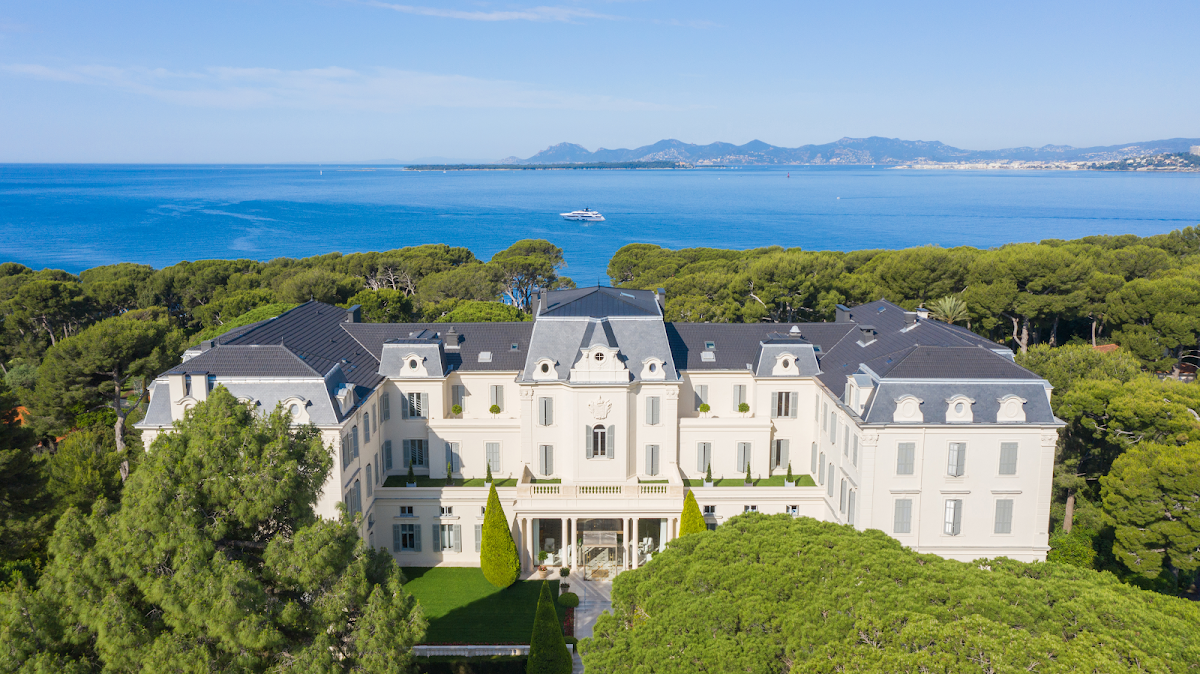
France is the chateau country: heritage estates that privatise fully, sleep a core party on site, and frame a wedding beautifully.
The catch is the calendar and the cost stack. Provence bakes in high summer, and venue hire is only a slice of the all in figure.
Decide on a region first. Provence, the Loire and the Riviera each ask for a different wedding.
The strongest wedding regions in France are Provence for warm garden celebrations, the Loire Valley for turreted heritage chateaux within reach of Paris, and the Riviera for coastal glamour. Most chateaux seat 80 to 150 comfortably, with several taking up to 300 on full privatisation. Budgets vary widely, and venue hire is typically a fraction of the total.
Chateaux and estates, ranked on merit
A spread across the regions couples ask for most. The order is our honest read of the celebration, never who pays us. Capacities and prices are indicative and should be confirmed with the venue.
Chateau de Tourreau, Provence
indicative, on requestA Provencal estate that photographs as well as it hosts.
A handsome 18th century chateau near Sarrians in the Vaucluse, set in roughly 20 acres of formal gardens. The chapel holds about 70 and outdoor receptions reach around 150, with sleeping for about 29 across the chateau and a renovated barn.
Chateau de Robernier, Provence
indicative, on requestBig, private and built for a generous guest list.
A 16th century castle near Montfort sur Argens, set among vineyards and centuries old olive groves. It privatises fully for up to about 300 guests, with around 26 sleeping on site, which makes it a strong choice for larger weekends.
Domaine de Valbonne, Provence
indicative, on requestContemporary Provence with an olive grove to marry under.
A restored Provencal estate near Aix with stone barns and a 200 year old olive grove for ceremonies. It sleeps about 56 on site and reaches around 180 seated, which suits couples who want a modern estate feel with room to stay over.
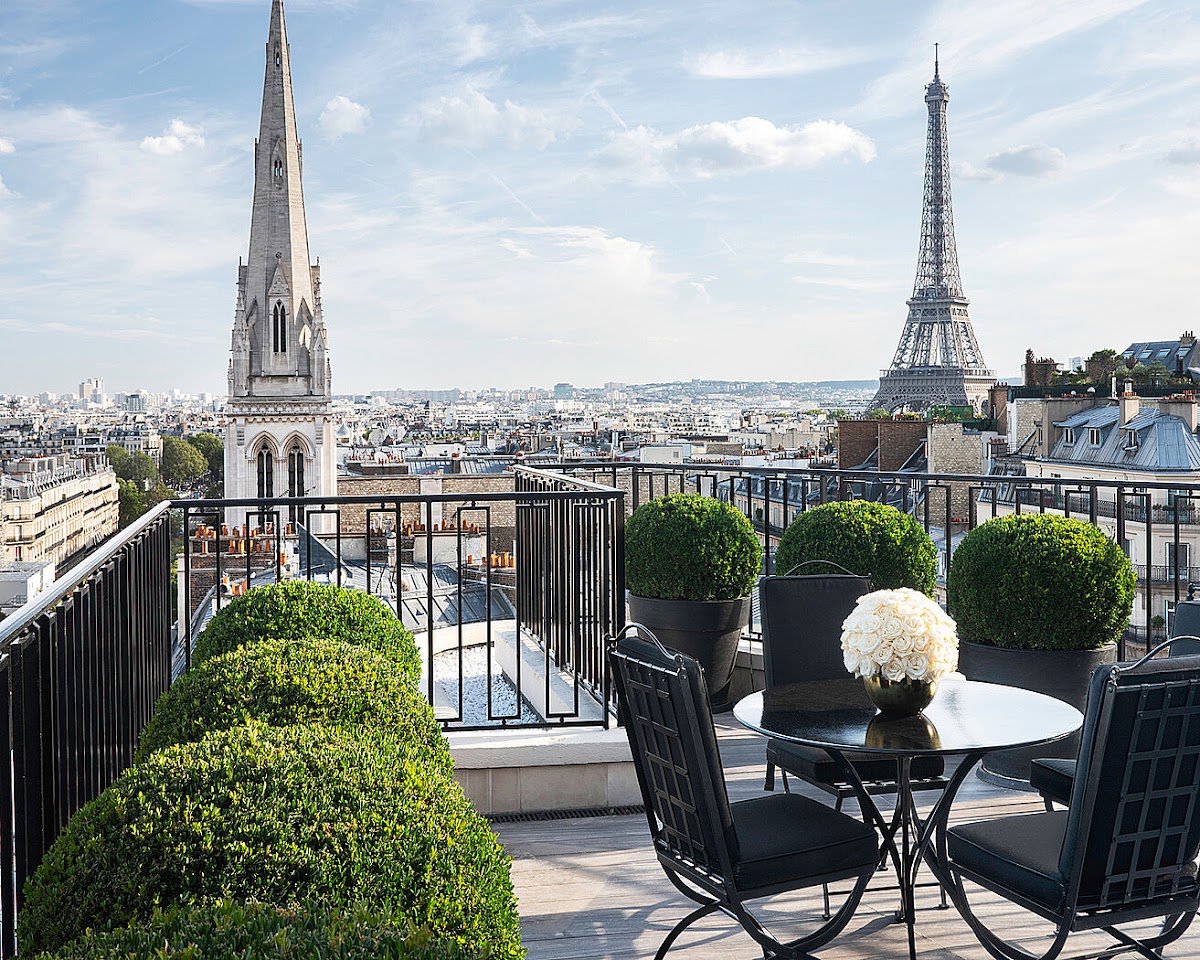
Chateau de Vaux, Loire Valley
indicative, on requestFamily run heritage within easy reach of Paris.
A Loire Valley chateau held by the de Vanssay family since 1404, with grand reception rooms, elegant bedrooms and exclusive access to the grounds. It rewards couples who want lived in heritage and a host family rather than a corporate venue.
The calendar has a verdict.
June and September are the sweet spots: warm but not punishing, with long light for an evening ceremony. July and August in Provence and the Riviera can be very hot and busy. May and early October reward the flexible, though some chateaux pause outside the main season.
The practical truth, told plainly
Getting there
Paris suits the Loire, while Nice and Marseille serve Provence and the Riviera. Most heritage estates sit a drive from the nearest airport, so plan guest transfers and consider a coach for the core party.
Where guests stay
Many chateaux sleep a core group on site, with the rest in nearby hotels or gites. Confirm exactly how many beds are included, since on site sleeping numbers are often smaller than the seated capacity.
What it costs
France spans a wide range by region and property. Venue hire is typically only 15 to 30 percent of the all in figure, with catering, accommodation, florals and production making up the rest. Treat headline figures as indicative.
The season that bites
Provence and the Riviera bake in high summer, and August sees much of France on holiday. Build shade and water into a midday ceremony, and confirm any noise curfew early.
Marrying here, the legal notes
The legal reality
A legally binding French civil marriage generally requires one party to establish residency in the commune for around 30 to 40 days before the wedding, which is impractical for most visiting couples.
The common path
Most international couples marry legally at home and hold a symbolic ceremony at the chateau, led by a celebrant. This frees the choice of date and setting from the residency rule.
Documents and translation
Where a civil marriage is pursued, expect a dossier of documents, official translations and witnesses. Requirements are exacting and a French speaking planner is strongly advised.
Confirm before you commit
French marriage rules are strict and updated periodically. Verify the current process with your planner and the local mairie before fixing anything.
Tell us your date, we send a shortlist.
Share a few details about Marrying in France. We reply within 48 hours with venues that fit your guest count, season and budget, plus a planner who knows the ground. There is no cost to you.
Prefer slow inspiration? Subscribe to The Aisle, our letter for couples planning a wedding worth travelling for.
Who you want on the ground
Planners who know France
A bilingual planner who works your chosen region is invaluable, both for the venue relationships and for navigating French suppliers and paperwork with ease.
Catering and wine
Many chateaux work with a short list of trusted caterers. France rewards a long, well paced dinner, so build the timeline around the food rather than against it.
Photography and light
The plane tree shade of Provence and the parkland of the Loire photograph beautifully at golden hour. Brief your photographer on the venue and the evening light.
Music and curfews
Rural estates can carry strict noise limits after midnight. Confirm the curfew, then plan whether the party moves indoors or to a barn to carry on.
France, answered.
Can we legally marry in France as foreigners?
+
It is difficult. A binding civil marriage usually requires one party to live in the commune for around 30 to 40 days beforehand. Most visiting couples marry legally at home and hold a symbolic ceremony at the venue.
How much does a chateau wedding in France cost?
+
It varies widely by region and property. Venue hire is typically only 15 to 30 percent of the all in figure, with catering, accommodation, florals and production making up the rest. Treat any headline figure as indicative until confirmed.
How many guests can a French chateau hold?
+
Most seat 80 to 150 comfortably, and several privatise for up to about 300. On site sleeping numbers are usually smaller, so confirm beds separately from seated capacity.
Which French region is best for a wedding?
+
Provence for warm garden celebrations, the Loire Valley for heritage chateaux within reach of Paris, and the Riviera for coastal glamour. Choose the region first, then the venue.
When is the best time to marry in France?
+
June and September. July and August in the south can be very hot and busy, while May and early October suit couples who can be flexible on date.
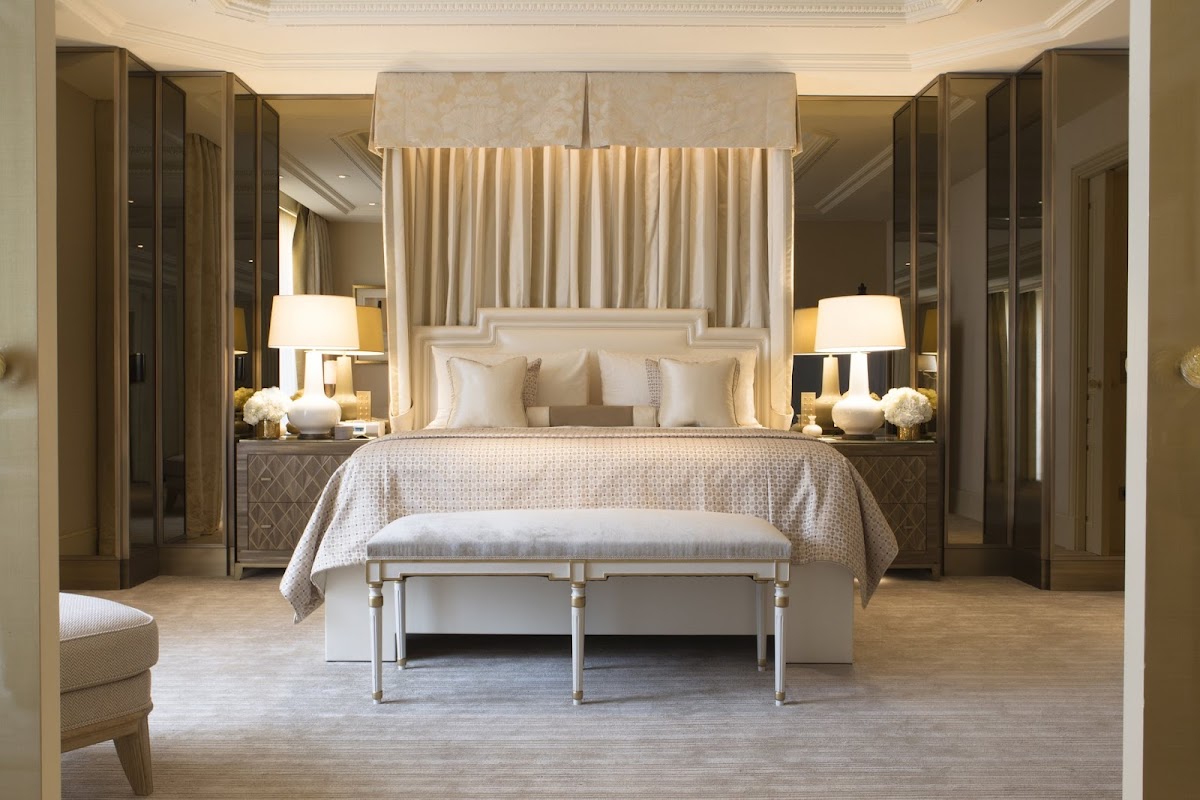
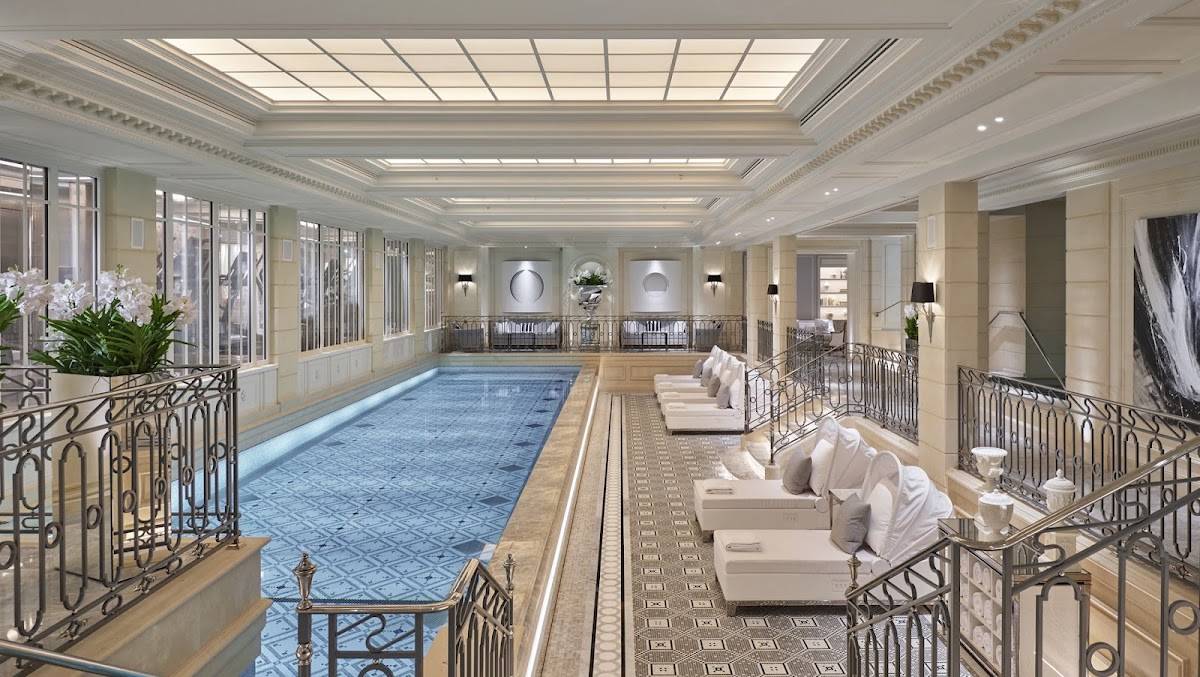
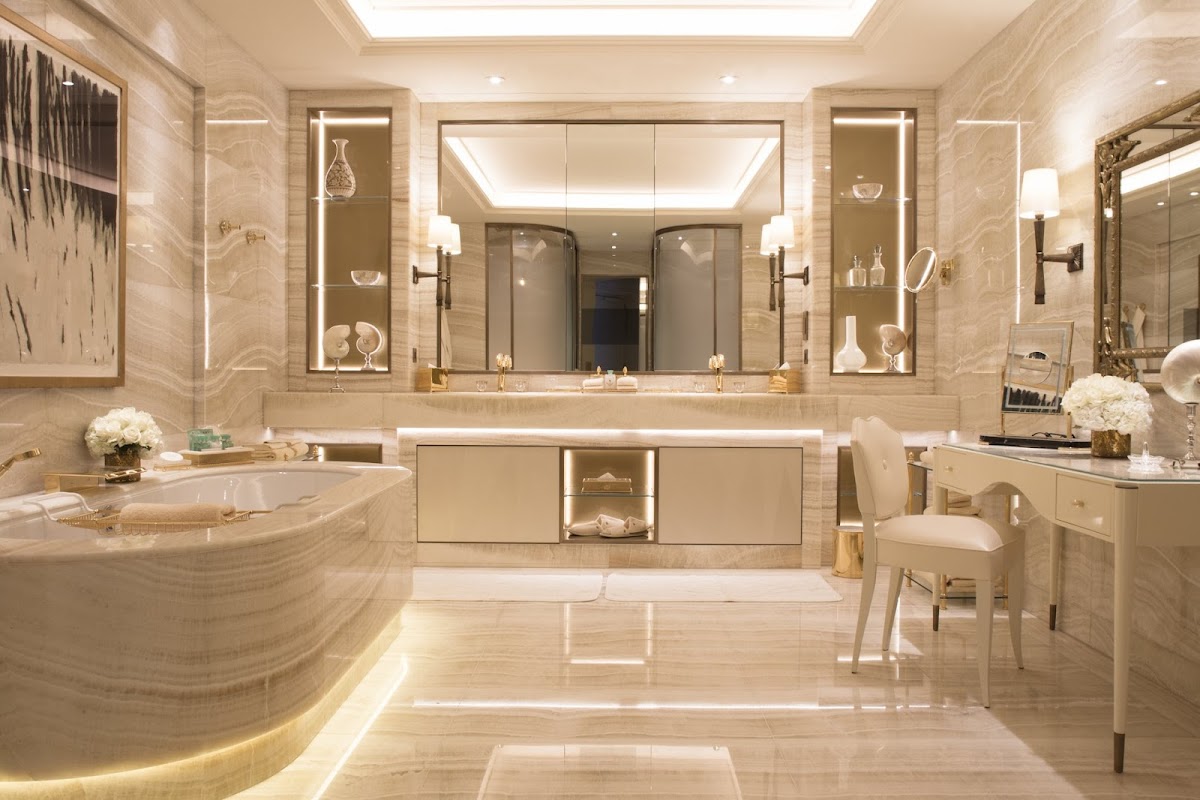
Photography is licensed stock for illustration. Confirm the look of any venue in person before booking.