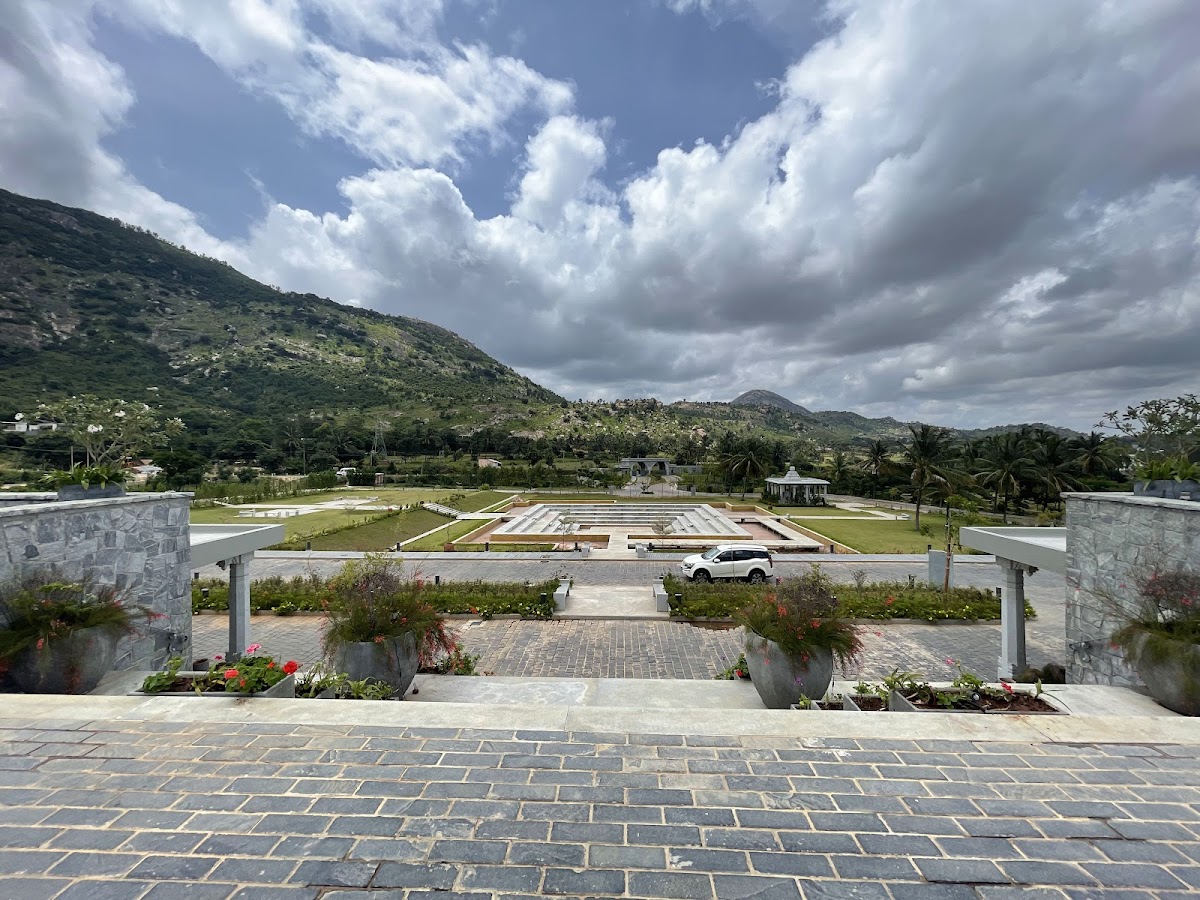
Glorious to celebrate, slow to legalise
A civil marriage in India for two foreigners runs through the Special Marriage Act, which asks for a residency period and a public notice of thirty days. That is a long stay for most visiting couples.
For that reason the great majority of international couples marry legally at home in a quiet appointment, then hold the full celebration in India, a palace in Rajasthan, a beach in Goa, a backwater in Kerala.
If you do want the binding marriage to happen in India, it is possible, but plan around the timeline and take local legal advice early. Do not assume a quick turnaround.
Two foreigners can marry legally in India under the Special Marriage Act, 1954, the secular civil route. It requires that one partner has resided in the district for at least thirty days before filing a notice of intended marriage, followed by a further thirty day public notice period during which objections may be raised, and then solemnisation before a Marriage Officer and three witnesses. In practice that means a stay of roughly six to eight weeks, which is why most visiting couples marry legally at home and hold a symbolic or religious celebration in India. Rules vary by state and registrar, so always confirm the current process locally.
Why India is harder than it looks
India does not have a single marriage law. Several personal laws govern Hindu, Muslim, Christian, and Parsi communities, and these generally require the parties to belong to the relevant faith. For two foreign visitors with no religious tie to India, the practical route is the Special Marriage Act of 1954, a secular law that allows any two people to marry regardless of religion or nationality.
The Special Marriage Act is fair and modern, but it was written for residents, not for a destination wedding. It asks that at least one partner has lived in the district of the marriage office for thirty days before the notice is even filed, and then it publishes that notice for a further thirty days so that anyone may object. Only after both periods can the marriage be solemnised.
Stack those windows together and you are looking at roughly six to eight weeks in one place, plus document checks. For a couple flying in for a wedding week, that simply does not fit. This is the honest reason India is a celebration destination first and a legal marriage destination only for those with time and patience.
None of this dims the celebration. A palace courtyard in Udaipur, a heritage haveli in Jaipur, a beach at sunset in Goa, these are among the most spectacular wedding settings anywhere. You simply separate the legal step from the spectacle, which is what nearly every international couple does.
The legal path under the Special Marriage Act
Establish residency in the district
At least one partner must have resided in the district of the Marriage Officer for thirty days before filing the notice. Registrars usually expect evidence of that stay, so keep proof of your address from the start.
Gather and legalise your documents
Expect to provide valid passports, valid visas, proof of address, birth or age proof, passport photographs, and a no objection or single status certificate from your home authority or embassy. Anyone previously married needs a divorce decree or death certificate. Foreign documents typically need attestation and, where required, translation.
File the notice of intended marriage
Submit the notice on the prescribed form to the Marriage Officer of the district. The notice is then displayed publicly so that any person may raise an objection within the notice period.
Wait out the thirty day notice period
The marriage cannot be solemnised until thirty days have passed from the notice. If no valid objection is upheld, you may proceed. This window is the main reason the whole process takes the better part of two months.
Solemnise before three witnesses
The marriage is solemnised at the marriage office, or a place within a reasonable distance, with both parties and three witnesses present, each party making the prescribed declaration before the Marriage Officer.
Collect the marriage certificate
The Marriage Officer enters the marriage in the register and issues a certificate, which is your legal proof. For use abroad you will usually need it apostilled or attested, and possibly translated, depending on your home country.
Marry at home, celebrate in India
Because the legal timeline is so long, the overwhelming majority of international couples complete the binding marriage at home, often in a short registry appointment weeks before they travel, and then stage the real wedding in India with complete creative freedom. To guests, the Indian celebration is the wedding, because it is.
This approach unlocks the settings that draw people to India in the first place. A symbolic ceremony can be held anywhere, a lake palace, a fort, a garden, a beach, with no dependence on a local registrar or a public notice. Many couples weave in Indian rituals, a baraat procession, a mandap, the exchange of garlands, purely for the meaning and the spectacle.
If you have genuine ties to India, a longer stay, or specific reasons to want the legal marriage on Indian soil, the Special Marriage Act remains open to you. Take advice from a local lawyer before committing dates, because state and district practice varies and timelines can slip.
What couples underestimate
The thirty day notice is not waivable
No planner can fast track the public notice under the Special Marriage Act. If a service promises a same week legal marriage for two foreigners, treat it with great caution and verify everything independently.
Visa and stay length
A legal marriage in India means staying long enough to meet residency and notice rules, so your visa must cover that whole window comfortably. Plan the travel side as carefully as the ceremony.
State by state variation
Document lists and registrar practice differ across states and even districts. What a marriage office in Goa asks for may not match one in Rajasthan, so confirm with your specific office.
Recognition back home
An Indian certificate usually needs apostille or attestation, and sometimes translation, before your home country accepts it. Build that step into your plan rather than leaving it to chance.
India for the spectacle
Once the legal step is handled, the celebration is where India shines. A few regions stand out for foreign couples who want grandeur, colour, and a setting that needs no embellishment.
Rajasthan
Udaipur and Jaipur deliver the palace fantasy, lake views, painted halls, and heritage hotels built for ceremony. The cool months from October to March are the season.
Goa
For a beach celebration with a relaxed coastal mood, Goa is the natural choice, best from November to February before the heat and the monsoon return.
Kerala
The backwaters and green hills suit couples after something calmer and more intimate, with the dry season again falling across the cooler winter months.
Avoid the monsoon and high heat
Much of India is punishingly hot from April to June and wet through the summer monsoon. The winter window is short and books out early, so secure dates well ahead.
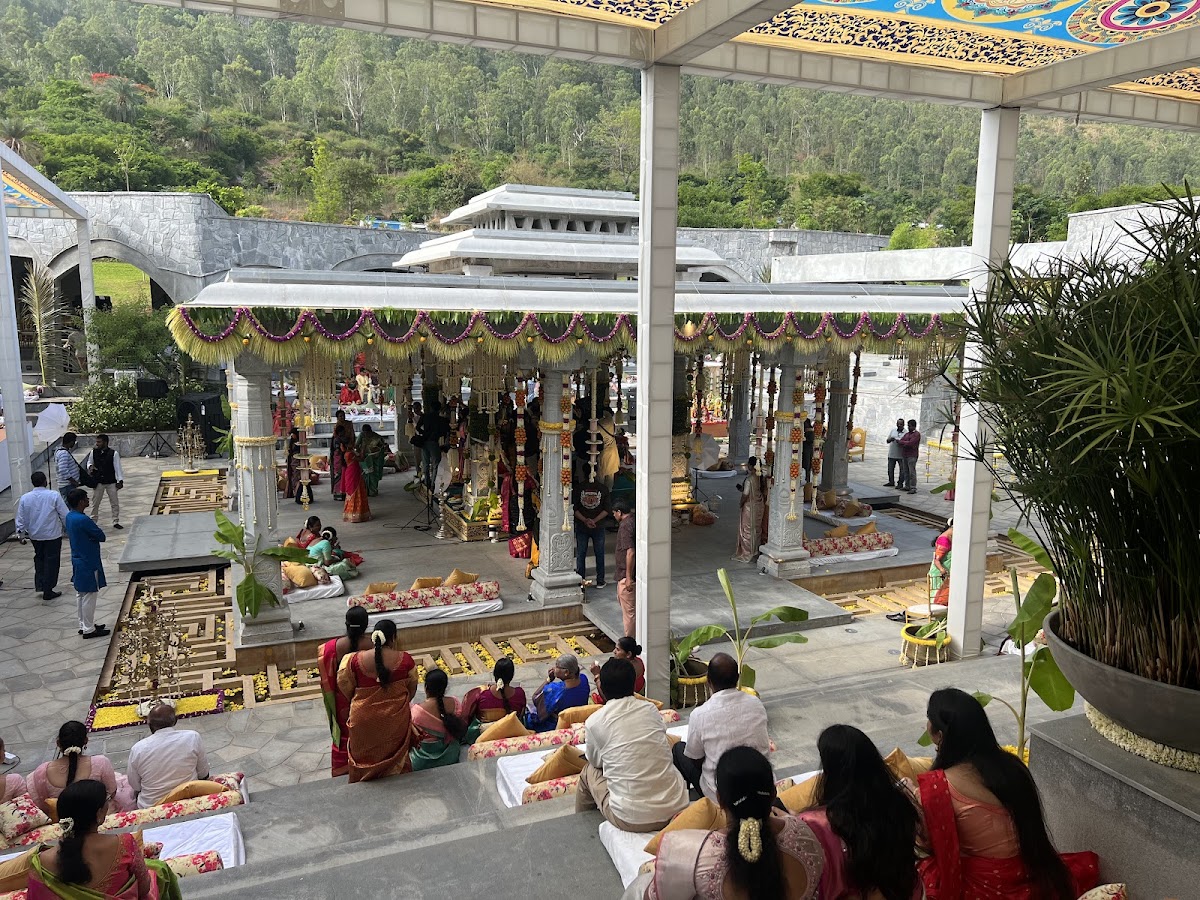

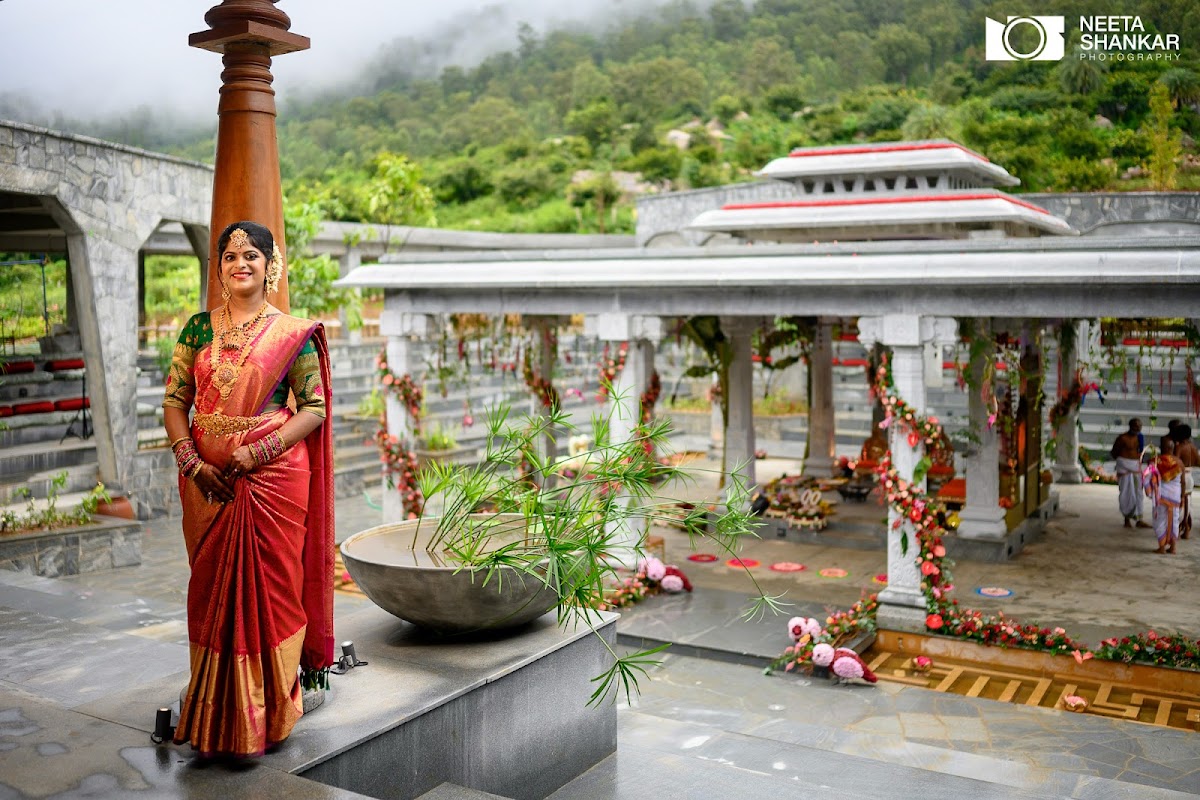
Photography is licensed stock from Unsplash, shown to set the mood. It does not depict a specific venue or ceremony.
Answered plainly.
Can two foreigners marry legally in India?
+Yes, under the Special Marriage Act, 1954, which is open to any two people regardless of religion or nationality. The catch is the residency and notice rules, which mean a stay of roughly six to eight weeks.
How long do we have to stay in India?
+Plan for at least six weeks. One partner needs thirty days of residency before filing the notice, then a thirty day public notice period follows before the marriage can be solemnised.
Why do most couples marry at home instead?
+The legal timeline is too long for a typical wedding trip. Marrying legally at home in a short appointment, then holding the celebration in India, gives you the spectacle without the residency rule.
Is a symbolic ceremony in India a real wedding?
+It is the celebration everyone remembers, with full freedom of setting and ritual, but it carries no legal weight on its own. The binding marriage happens at your home registry, usually before you travel.
What documents will we need?
+Expect passports, valid visas, proof of address, age or birth proof, photographs, and a single status or no objection document from your embassy, with proof of any previous marriage ending. Confirm the exact list with the local marriage office.
Will an Indian marriage be valid in our country?
+A marriage properly registered under the Special Marriage Act is legally valid, but to use it abroad you will usually need the certificate apostilled or attested, and possibly translated. Check your home country's requirements.
Planning a wedding in India
Tell us the region and your date. We will send a shortlist of celebration venues that fit and introduce planners who handle the practicalities, legal and logistical, every season.
No cost to you. We reply within two working days with a shortlist and the planners we trust on the ground.
Our newsletter for couples who plan with taste.
A considered note now and then. The venues worth the airfare, the seasons to avoid, the logistics couples underestimate.
Join free and get our season by destination cheat sheet, the best months to marry in each place.
The Destination Wedding Budget Planner
Every real cost category, indicative ranges by destination, and a season calendar, in one clear worksheet. Enter your email and we will send it over.