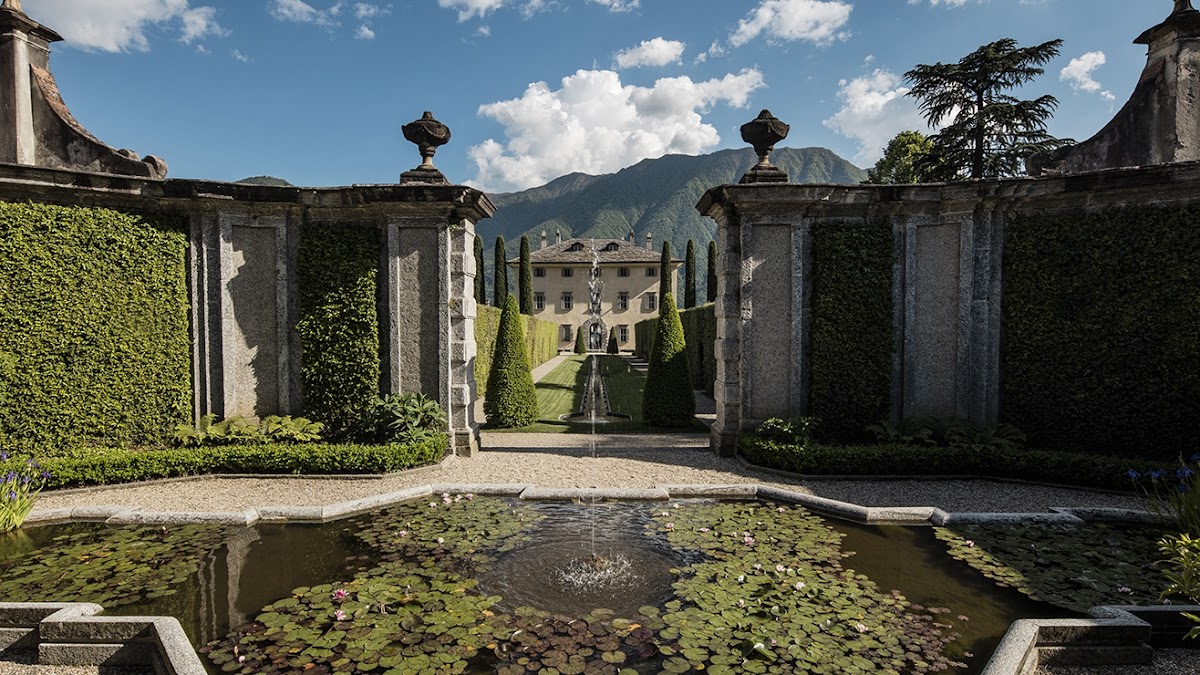
A wedding among the vines
A vineyard wedding promises something most venues cannot: a working landscape that changes with the light, and a sense of place poured into every glass.
The estates that do it best pair that romance with a serious team. The grandest vines mean little if the kitchen, the cellar, and the planner are not equal to a large celebration.
Choose the harvest with care. Late summer and early autumn are glorious but busy, and a working estate has grapes to bring in. The right date keeps the romance and the logistics on your side.
For a vineyard wedding with genuine grandeur and a team used to large celebrations, Tuscany leads, with Il Borro and Castiglion del Bosco at the top, followed by the Maremma estate Castello di Vicarello. Napa Valley is the strongest choice in the United States, and Puglia offers a quieter, value led alternative at Masseria Amastuola. Prices below are indicative. Confirm directly.
A setting that pours itself into the day
A vineyard gives a wedding a spine. The rows lead the eye to a horizon, the cellar offers shelter and theatre, and the wine becomes part of the story rather than an afterthought on the bar. Few settings feel so naturally suited to a long, unhurried celebration.
The estates we rate share one trait: heritage matched by competence. A beautiful hillside is common. A beautiful hillside with a kitchen that can plate two hundred covers, a cellar master who will host a tasting, and a planner who runs weddings every week is rare, and that is what you are paying for.
It is also a setting that rewards restraint. The landscape does the heavy lifting, so the styling that works best is quiet: linen, candlelight, local flowers, and food that honours the region. Over decorate a vineyard and you fight the very thing you came for.
Plan around the working calendar. These are farms first and venues second. The harvest brings the estate alive but also brings machinery, early starts, and a team with grapes on their mind, so confirm how your date sits against the vintage before you commit.
Standout estates, worldwide
A short, honest list of wine estates we rate. Each is real and verifiable. The order reflects our read of the wedding, not commercial ties.
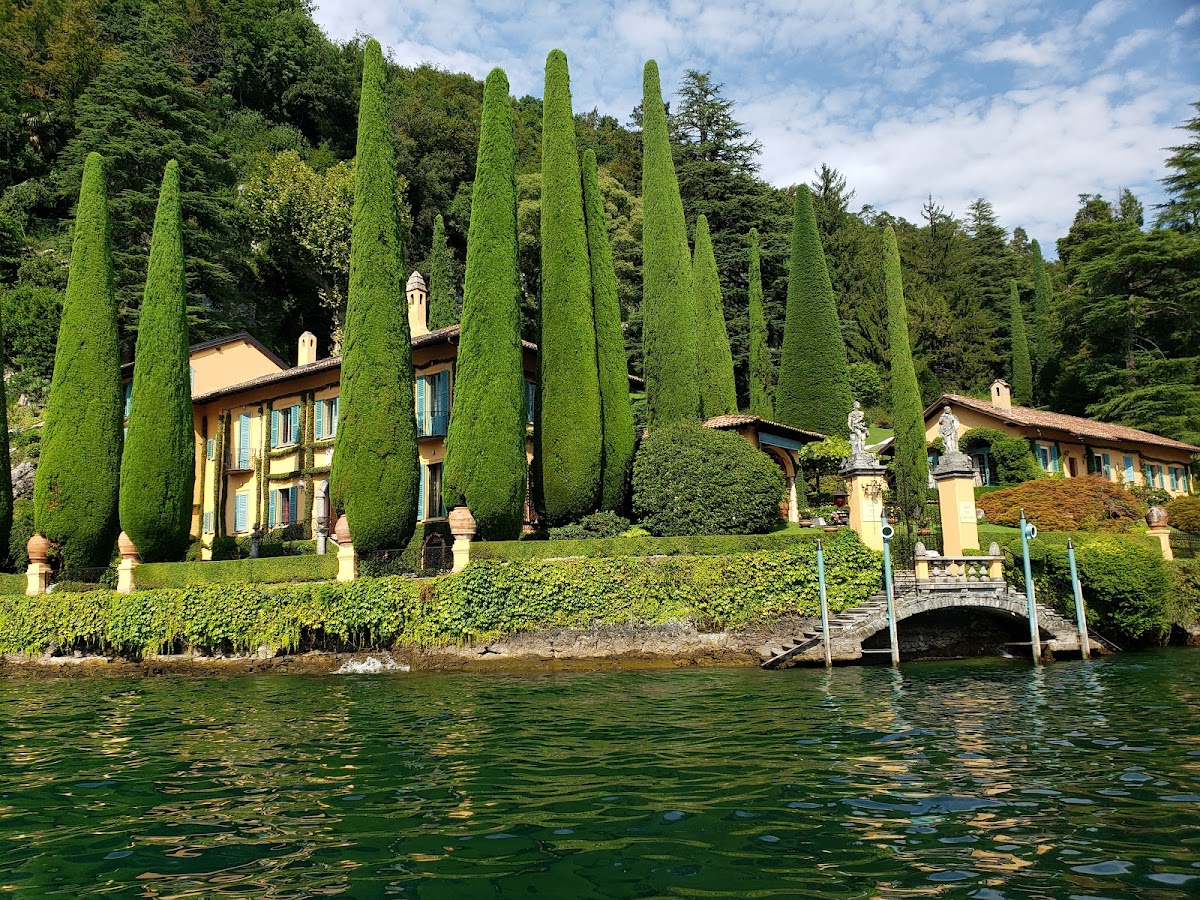
Il Borro, Tuscany
Rates on enquiryA restored medieval village and vineyard estate owned by the Ferragamo family.
Set across a large Tuscan estate near the Valdarno, Il Borro pairs a restored hamlet, gardens, and working vineyards with the polish you would expect of its ownership. It suits couples who want grandeur with a team that delivers it.
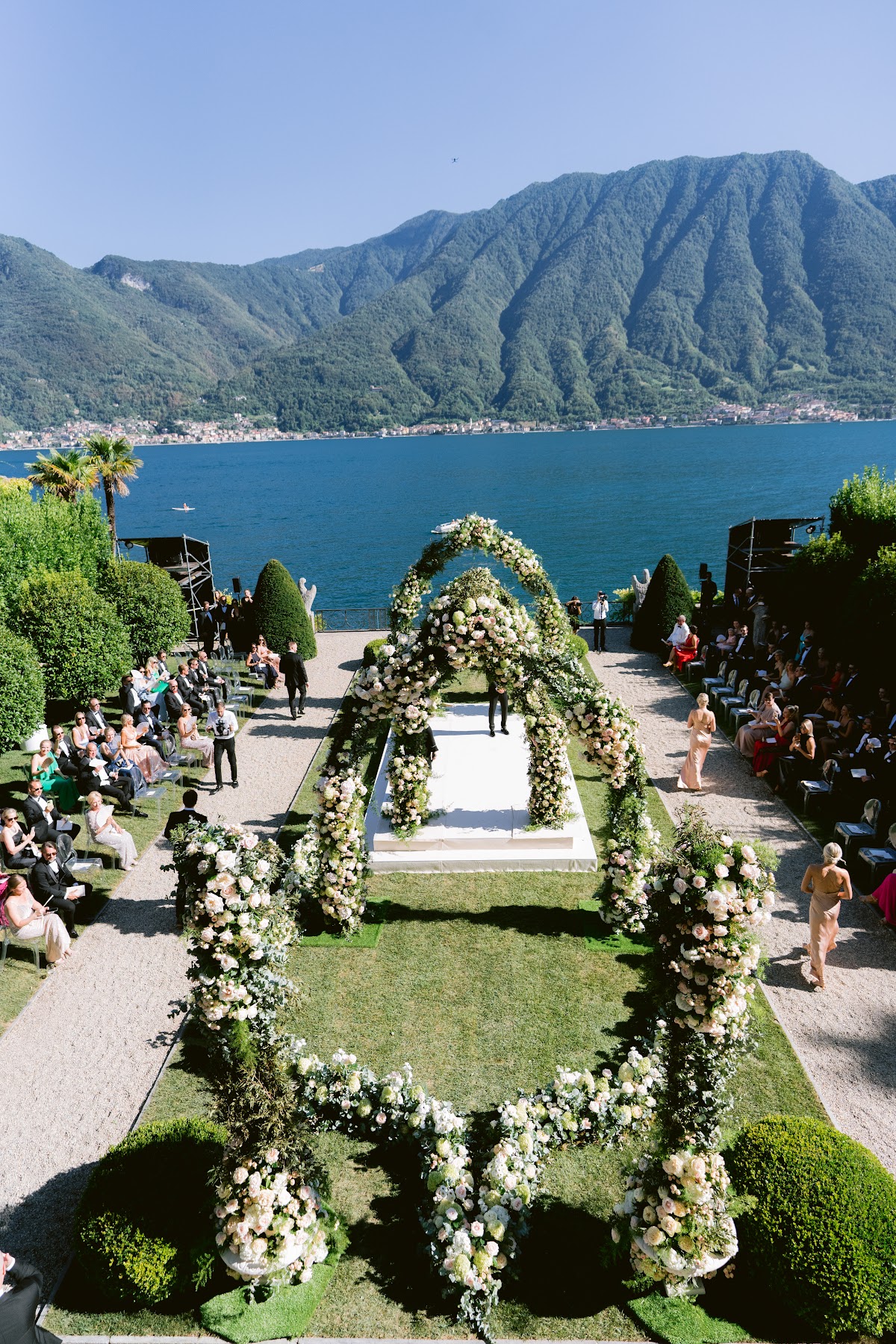
Castiglion del Bosco, Val d'Orcia
Rates on enquiryA Rosewood estate in a UNESCO valley, the classic Tuscan vineyard wedding.
In the Val d'Orcia, this restored estate offers cypress lined approaches, panoramic terraces, and a winery at its heart. The setting is the postcard image of Tuscany, run by a hotel team used to discerning guests.
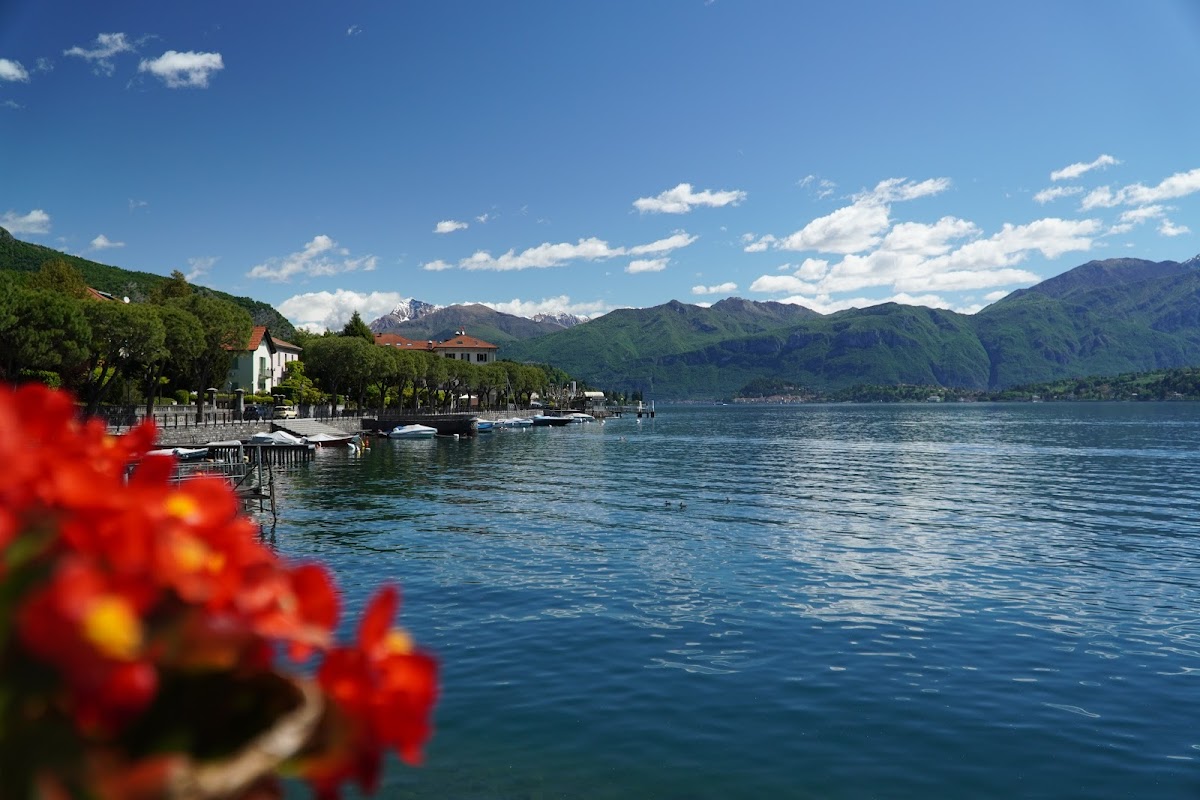
Castello di Vicarello, Maremma
Rates on enquiryA private estate of vineyards and olive groves, quietly grand and intimate.
In Tuscany's Maremma, Vicarello is a restored property set in acres of vineyards and farmland. It rewards couples after privacy and character over scale, with a celebrated kitchen and total exclusivity.
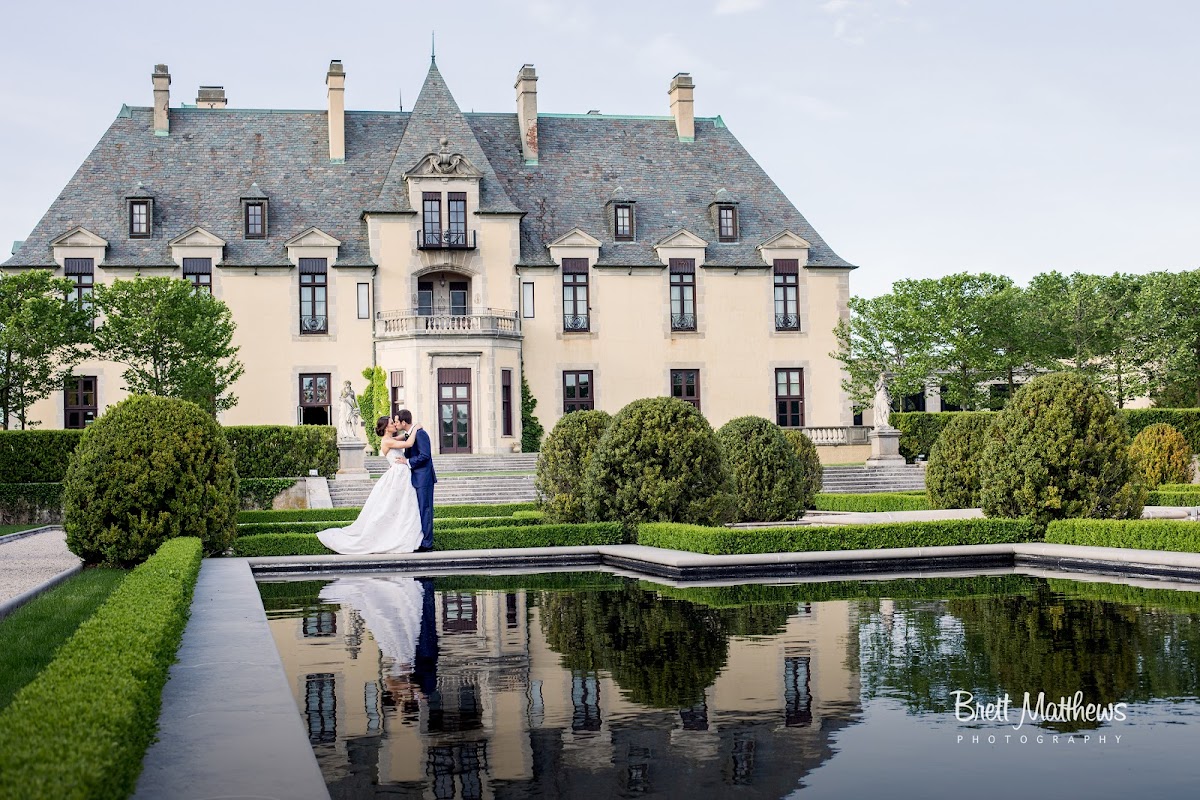
Carneros Resort and Spa, Napa Valley
Rates on enquiryA relaxed wine country retreat amid the rolling vines of Carneros.
In the Carneros district of Napa, this resort offers vineyard views, generous grounds, and a team that stages weddings often. It is the easy, polished choice for couples who want California wine country with full hospitality on site.
Masseria Amastuola, Puglia
Rates on enquiryA fortified farmhouse set among sculptural organic vineyards in the south.
One of Puglia's most distinctive estates, Amastuola wraps a historic masseria in waves of organic vines. It offers atmosphere and local cuisine at a gentler price than Tuscany, ideal for couples who want the south of Italy.
How to read the list and pick well
The estates above are not interchangeable, and the right one depends on three things: your numbers, your appetite for travel, and the feel you are after. A small, characterful estate such as Castello di Vicarello rewards an intimate party that wants seclusion, while Il Borro and Castiglion del Bosco carry a larger guest list with the grandeur to match.
Geography shapes the rest. Tuscany offers the deepest bench of estates and suppliers, which is why it dominates the list, but it is busy and priced accordingly. Napa gives American couples a vineyard wedding without a transatlantic flight for guests, and Puglia rewards those willing to trade a little polish for value and a quieter corner of Italy.
Think hard about exclusivity. A full estate buyout, with rooms on site, turns a wedding into a weekend and gives you the run of the vines, but it raises the cost and the minimum guest spend. A venue hire without the buyout is gentler on the budget but means sharing the estate, which can undercut the very intimacy you came for.
Finally, taste the wine before you sign. A vineyard wedding leans on the estate's own bottles, so a visit, a tasting, and a conversation with the cellar tell you as much as any brochure about whether the place is right for your day.
The practical things, told straight
What it costs
A vineyard celebration sits at the upper end. Once a full estate buyout, catering, and production are added, a hundred guest wedding at a leading estate often runs well into six figures. Treat every figure as indicative and confirm directly.
Buyout and stay
Many estates offer exclusive use with rooms on site, which keeps guests close and the evening relaxed. Reserve the buyout and room block early, as the best dates go more than a year ahead.
The harvest factor
Late summer into autumn is beautiful but coincides with the vintage. Ask how your date sits against picking, and whether machinery or crews will be active during your stay.
Weather and shelter
Wine country can be hot by day and cool after dark. A cellar or covered alternative is not a fallback, it is part of the plan. Build in shade for the ceremony and warmth for the late evening.
The right local team is everything
A vineyard is only as good as the people running the day. We introduce planners and suppliers who know wine country and we vet before we recommend.
Wedding planners
A planner who works the region matters here. They manage the estate, the vintage calendar, and the gap between a glossy proposal and a smoothly run day.
Caterers and the cellar
Food and wine are the point. Favour an estate with a serious kitchen, or a trusted external caterer, and lean on the cellar master to shape the pairings.
Photographers
The light among the rows is extraordinary at dusk. Book a photographer who knows how to work golden hour and candlelit cellars.
Florists and styling
Let the landscape lead. Local, seasonal flowers and restrained styling read better than imported grandeur against the vines.
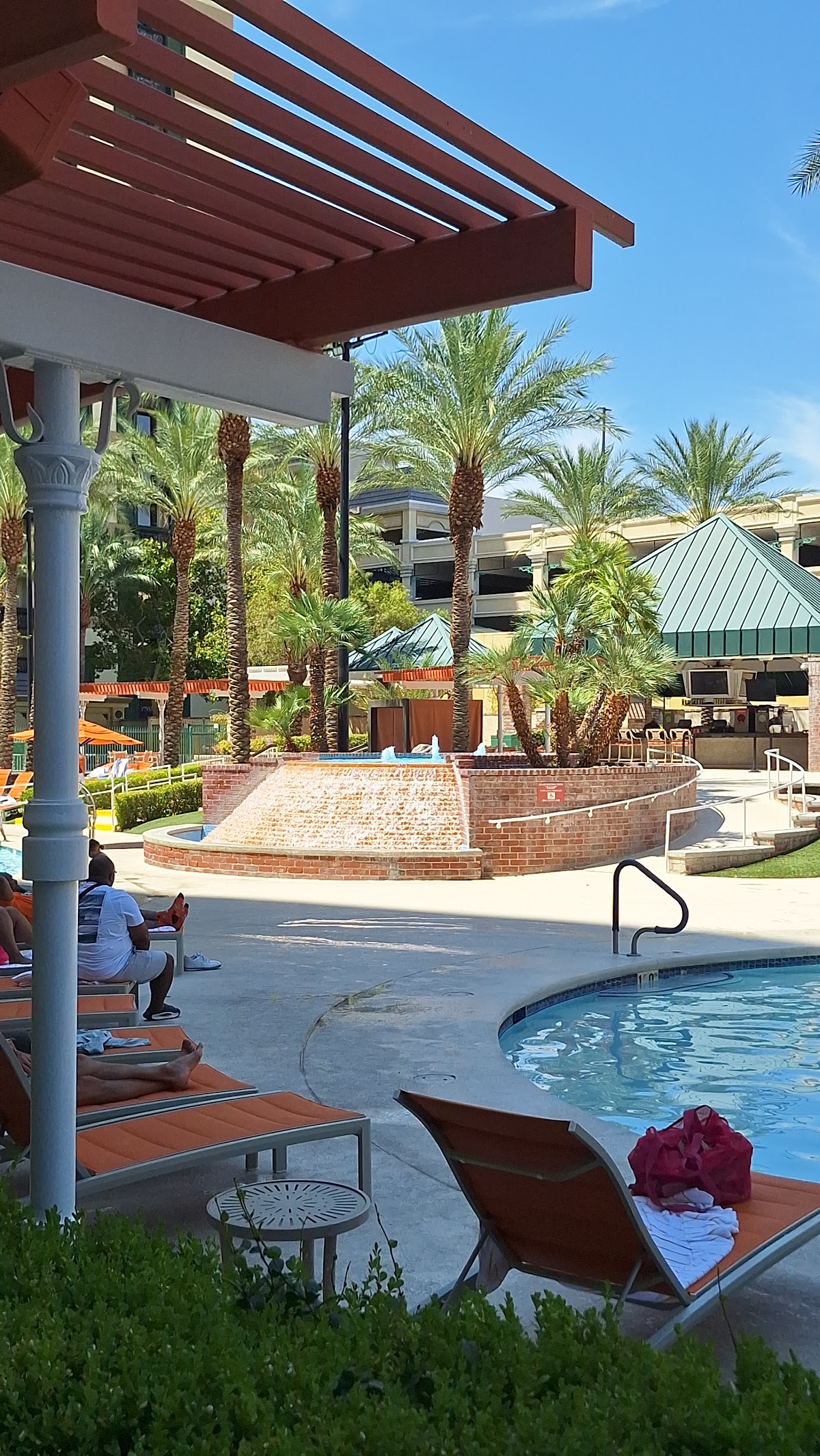
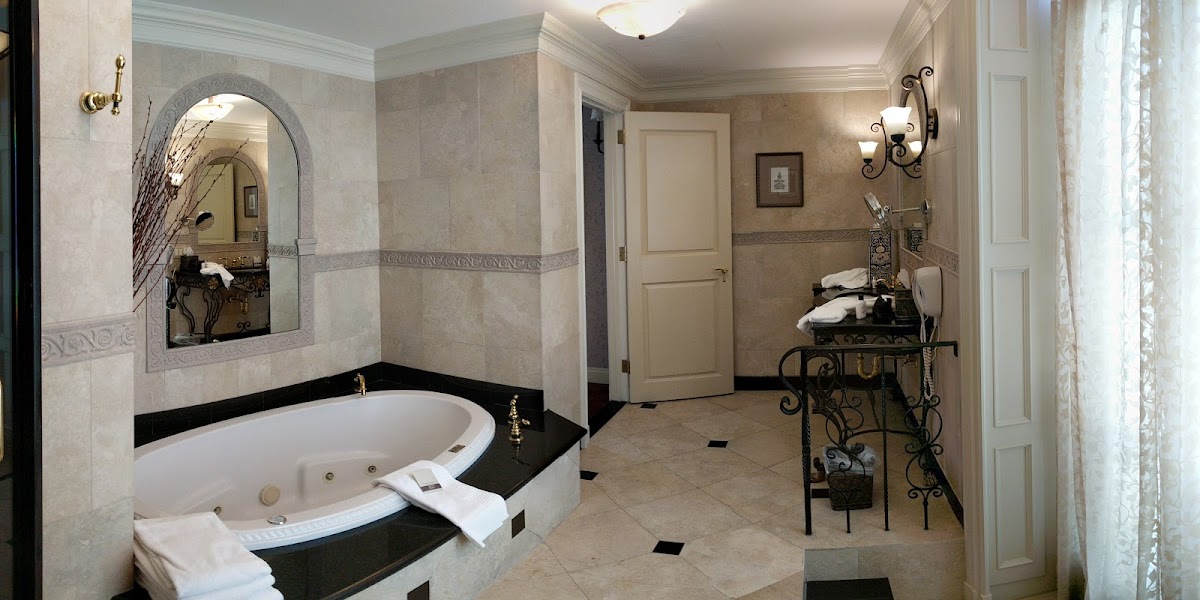
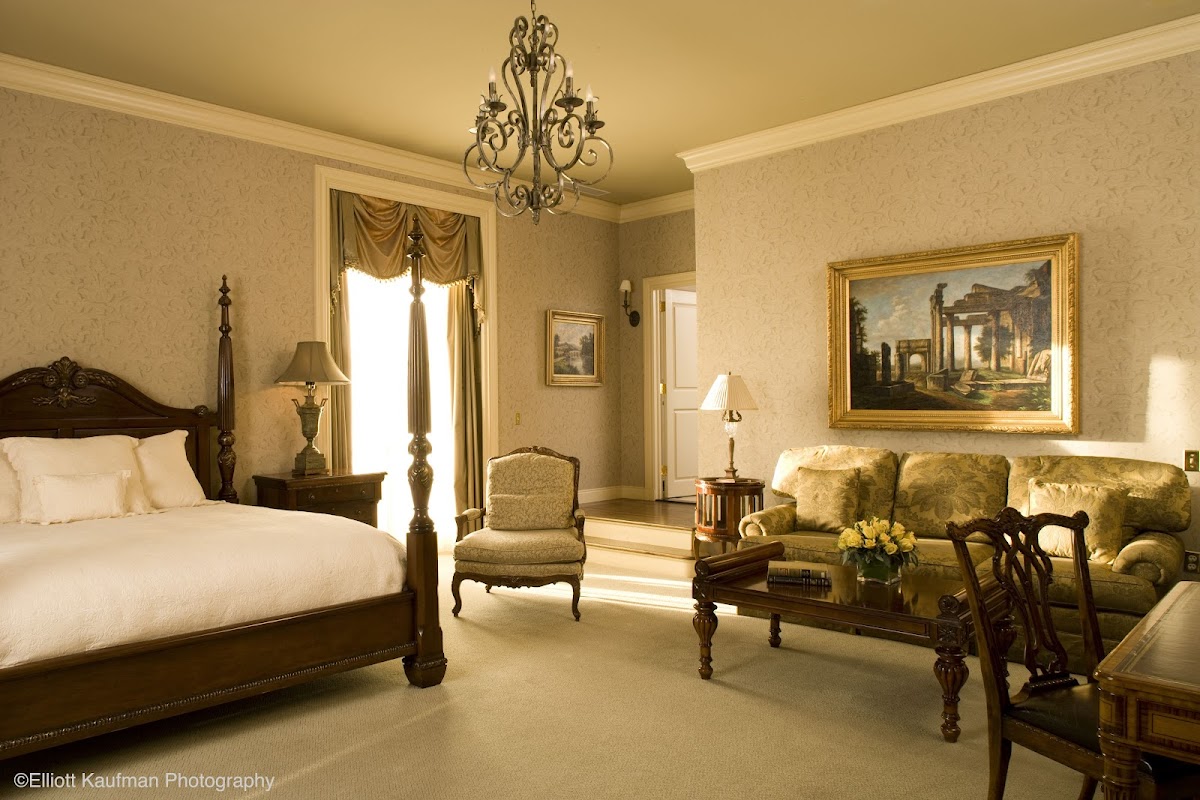
Photography is licensed stock from Unsplash, shown to set the mood. It does not depict a specific venue listed above.
Answered plainly.
How much does a vineyard wedding cost?
+It sits at the premium end. A leading estate with a full buyout, catering, and production for around one hundred guests typically runs into six figures. Smaller estates and regions such as Puglia cost less. Every figure is indicative.
Which region is best for a vineyard wedding?
+For grandeur with a team to match, Tuscany leads. Napa Valley is the strongest United States option, and Puglia offers character at a gentler price.
When should we marry at a vineyard?
+Late spring through early autumn is ideal. Be aware that the harvest, often late summer into October, brings the estate alive but also brings working crews.
Can a vineyard host a large wedding?
+Several can seat two hundred or more. Lead your enquiry with your guest count, as capacity narrows the field quickly.
Do guests stay on the estate?
+Often yes. Many wine estates offer exclusive use with rooms on site, which simplifies logistics. Reserve the buyout and rooms well ahead.
Planning a wedding in wine country
Tell us the region, the date, and the feeling you want. We will send a shortlist of real estates that fit and introduce the planners we trust on the ground.
No cost to you. We reply within two working days with a shortlist and the planners we trust on the ground.
Our newsletter for couples who plan with taste.
A considered note now and then. The venues worth the airfare, the seasons to avoid, the logistics couples underestimate.
Join free and get our season by destination cheat sheet, the best months to marry in each place.
The Destination Wedding Budget Planner
Every real cost category, indicative ranges by destination, and a season calendar, in one clear worksheet. Enter your email and we will send it over.