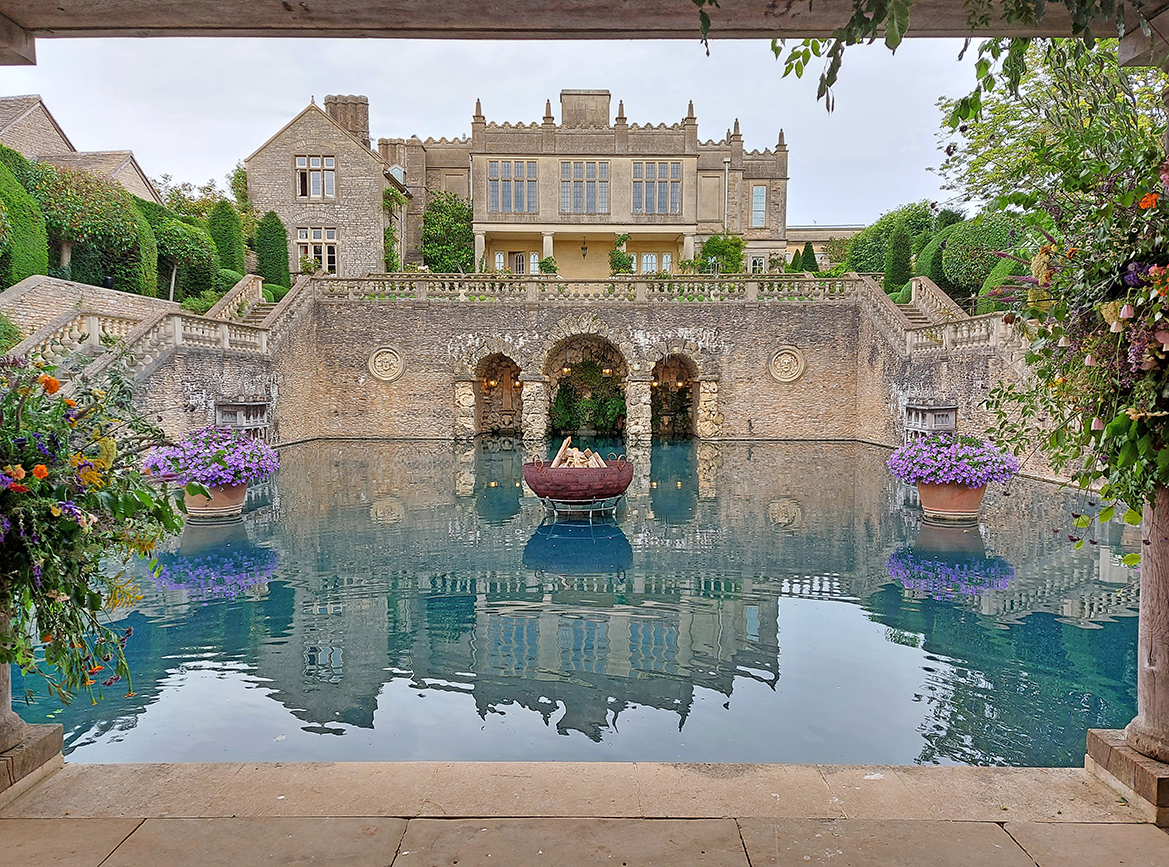
For residents, marrying in the UK is a well worn path that the register office will guide you through.
For couples from abroad, the visa is the hurdle, not the ceremony. A visitor visa is not enough.
Give notice at least 28 days before the day, in person, at your local register office. Plan around it.
To marry in England and Wales, both of you must give notice in person at your local register office at least 28 days before the wedding, and your notice is then displayed publicly for those 28 days. If you are coming from outside the UK and Ireland to marry, you cannot do so on a standard visitor visa, you need a marriage visitor visa or a fiance visa. Scotland and Northern Ireland have their own similar procedures. This guide explains the route, the documents, and the timing.
Notice, then the ceremony.
A legal marriage in England and Wales begins with giving notice. Both of you must attend your local register office in person and formally state your intention to marry, naming the venue where the ceremony will take place. You must have lived in the registration district for at least seven days before you give notice. Once given, your notice is displayed publicly at the register office for 28 clear days, a window during which anyone may raise a legal objection, though in practice objections are very rare. You cannot marry until those 28 days have passed, so the notice appointment is the real start of the clock and should be booked well ahead of the wedding date.
For couples coming from outside the UK and Ireland, the visa is the part that trips people up. You cannot give notice or marry on a standard visitor visa. If you are travelling to the UK specifically to marry, you need a marriage visitor visa, or a fiance or fiancee visa if you intend to settle afterwards. If you are already in the UK on another route, you may be able to give notice with settled status or after applying for the relevant approval. When either party is subject to immigration control, the registrar refers the notice to the Home Office, which can extend the notice period from 28 days to up to 70 days while it makes checks. Build this possibility into your timeline if it could apply to you.
The ceremony itself can be a civil marriage at a register office or an approved premises such as a hotel, stately home, or licensed venue, or a religious ceremony where the building is registered for marriage. A civil ceremony cannot include religious content. You will need two witnesses present, and after the ceremony the marriage is registered and your certificate issued. Scotland and Northern Ireland run their own systems with broadly similar notice requirements, and Scotland is notable for allowing outdoor legal ceremonies more freely than England and Wales. Wherever you marry in the UK, the legal minimum age is now 18.
What you will need to bring.
Requirements can vary slightly by register office, so confirm the exact list with yours before your notice appointment.
Proof of identity
A valid passport is the standard document. Some offices accept other identity documents for residents. Both parties must prove who they are at the notice appointment.
Proof of address
Evidence of where you live, such as a utility bill or bank statement, to show you meet the residency requirement in the district where you give notice.
Evidence of any previous marriage ending
If you have been married or in a civil partnership before, bring the decree absolute or final order, or the death certificate of a former spouse, to show you are free to marry.
The correct visa, if from abroad
A marriage visitor visa or fiance visa in your passport if you have travelled to the UK to marry. A standard visitor visa does not allow you to give notice or marry.
Certified translations where needed
Some offices ask for certified English translations of foreign documents such as birth certificates. Check in advance so you are not delayed at the appointment.
The things couples underestimate.
The ceremony is the easy part. These are the practicalities that affect your timeline and your budget. Confirm details with the register office and official guidance.
Book notice early
The 28 day notice cannot start until you have attended in person, and appointments at busy register offices fill up. Book your notice appointment well in advance, and never assume you can give notice at the last minute.
The Home Office referral
If either of you is subject to immigration control, the notice may be referred to the Home Office and extended to up to 70 days. If this could apply, allow extra time in your planning so it does not threaten the date.
Approved premises and venues
To marry at a hotel or stately home, the venue must hold an approved premises licence, and a registrar must attend a civil ceremony. Confirm the venue is licensed before you book it for the legal marriage.
Fees and the certificate
There are fees for giving notice and for the ceremony, and a small charge for the marriage certificate. If you plan to use the certificate abroad you may also need it legalised. Check current fees with your register office.
We will match you to a UK venue and planner.
Tell us where in the UK you picture marrying, your date, and your guest count. We will send a shortlist of approved premises and a planner who knows the local register office and the legal route.
No cost to you. We reply within two business days. Your details go only to our team.
Marrying in the UK, answered.
How long does it take to get married in the UK?
+
You must give notice at least 28 days before the ceremony, and you cannot marry until those 28 days have passed. If the notice is referred to the Home Office, the period can extend to up to 70 days. Book the notice appointment well ahead.
Can foreigners get married in the UK?
+
Yes, but not on a standard visitor visa. If you are coming to the UK to marry, you need a marriage visitor visa, or a fiance visa if you plan to settle. A standard visitor visa does not allow you to give notice or marry.
Where can you legally hold the ceremony?
+
At a register office, at approved premises such as a licensed hotel or stately home, or in a religious building registered for marriage. A civil ceremony cannot include religious content. Confirm a venue holds an approved premises licence before booking.
Do you need witnesses?
+
Yes. A marriage in the UK requires two witnesses present at the ceremony to sign the register. Your venue or registrar can advise if you need help arranging them on the day.
Is the process the same across the UK?
+
Broadly similar, but Scotland and Northern Ireland run their own systems. Scotland, for example, allows outdoor legal ceremonies more freely than England and Wales. Always check the specific rules for the nation where you intend to marry.
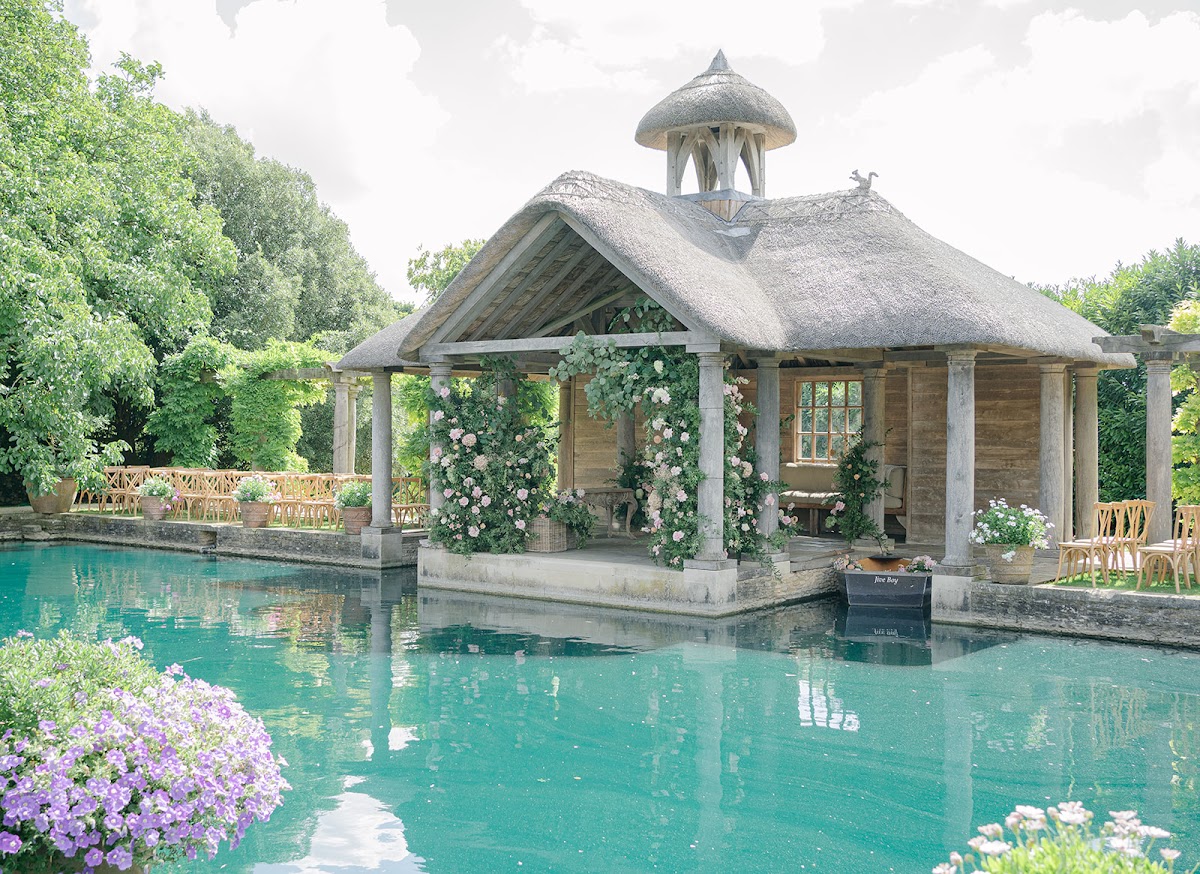
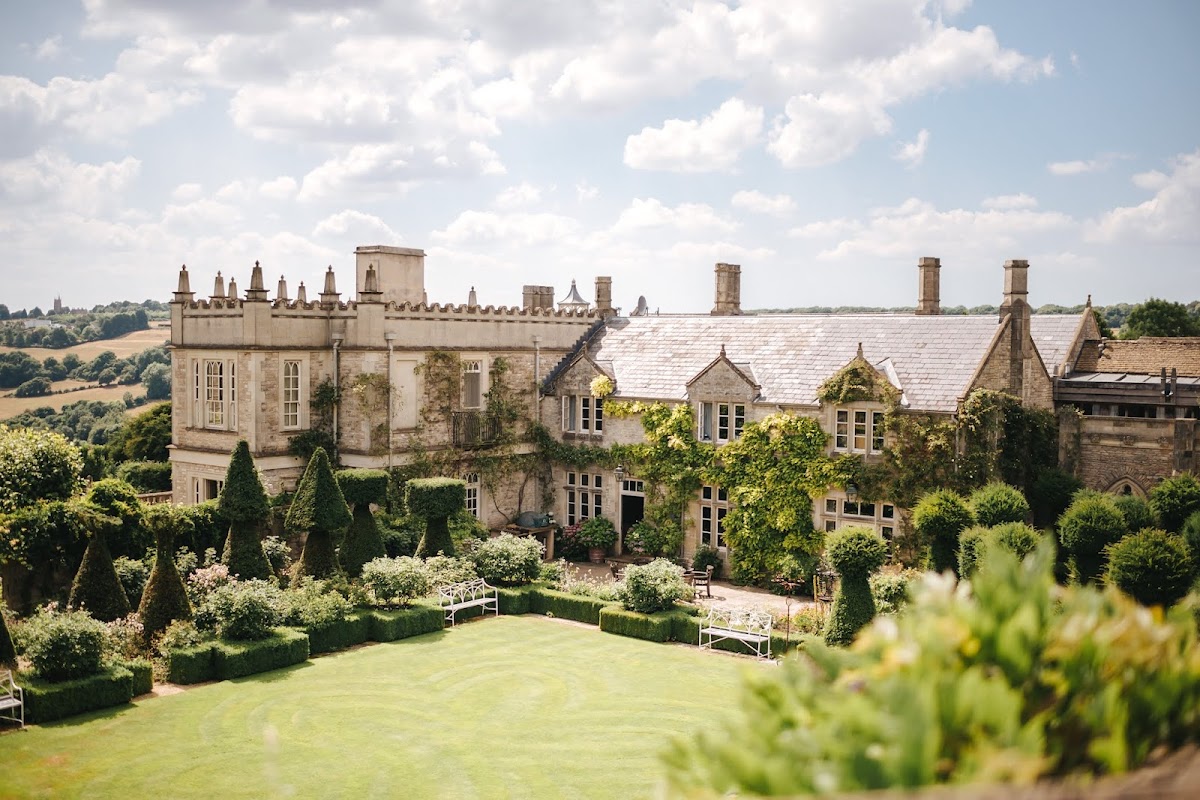
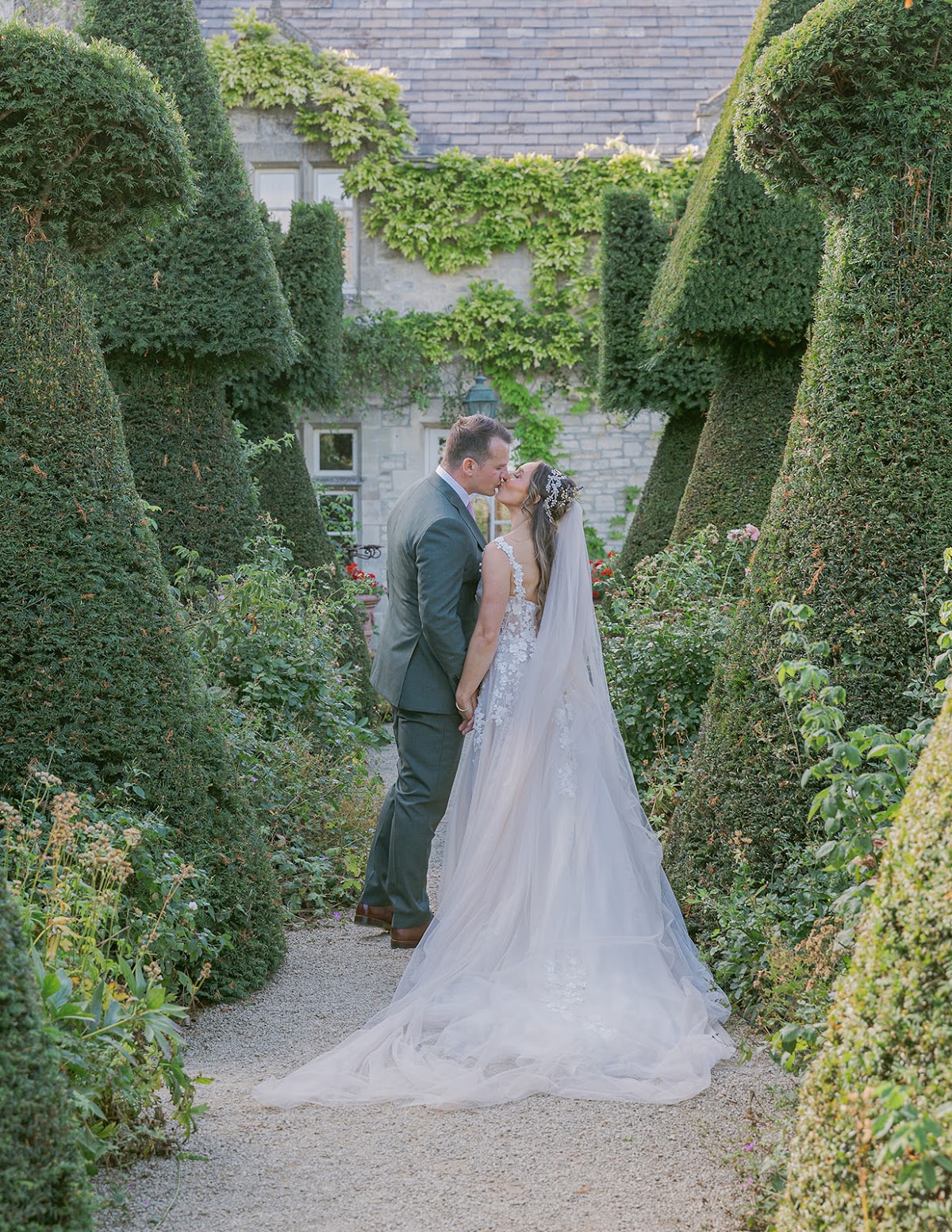
Photography is licensed stock from Unsplash, shown to evoke the setting. It does not depict a specific venue.
Subscribe to The Aisle.
A considered letter on the places worth marrying and the planning that makes them work, sent when we have something genuinely worth your time.
Join free and get our season by destination cheat sheet, the best months to marry in each place.
The Destination Wedding Budget Planner
Every real cost category, indicative ranges by destination, and a season calendar, in one clear worksheet. Enter your email and we will send it over.