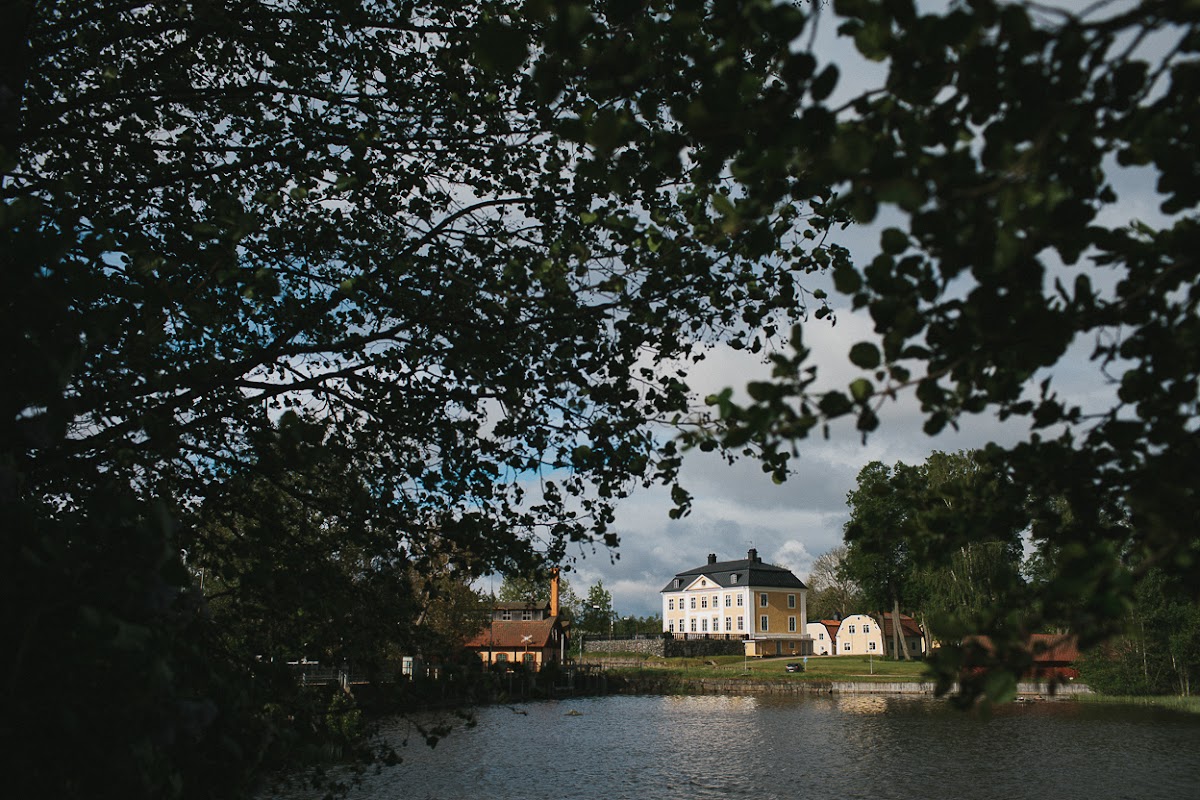
Most destination weddings are smaller than the couple first imagine, and the intimacy is part of the appeal.
Invite the people who matter most, expect a meaningful number to decline, and let the venue set the ceiling.
Numbers drive the budget more than any other choice. Decide them early, before you fall for a venue.
Destination weddings are typically more intimate than weddings at home, with many couples landing somewhere between twenty and eighty guests, and a good number going smaller still. The further and more expensive the trip, the more people will decline, so plan for a real drop off rather than expecting everyone to come. Set the number you can comfortably afford and host well, then choose a venue that fits it, never the other way around.
Start with the number, then the place.
The single most useful habit in destination wedding planning is to decide your guest count before you fall in love with a venue. Numbers shape the budget more than any other decision, because almost everything scales per head, from catering and drinks to chairs, transfers, and welcome gifts. A venue you adore at fifty guests can become unaffordable at a hundred and twenty, and a beautiful intimate space can feel cramped if your list grows. Settle on a range you can host well and pay for comfortably, and let that range guide which venues you even look at.
A destination wedding naturally trims the list. Travel costs time and money for your guests as well as for you, so the people who come tend to be those who matter most, the inner circle who would cross a continent for you. That is why destination weddings skew intimate, often between twenty and eighty guests, with many couples choosing thirty or fewer for a truly small celebration. Rather than fighting that pull, most couples find it is the best part. A smaller group means more time with each person, a warmer atmosphere, and a budget that can be spent on quality rather than quantity.
Expect a real decline rate, and plan for it honestly. When you ask people to take time off work, book flights, and pay for hotels, a meaningful share will send their love but stay home. The further and more expensive the destination, the higher that share climbs. This is not a reflection on you, it is simple logistics, and it is why the number who attend is almost always smaller than the number you invite. The practical move is to build your list with that in mind, and to be at peace with whoever can make the journey.
What actually sets the number.
Five honest considerations that decide how many guests your destination wedding should have.
Your budget, per head
Decide a comfortable total, then divide by an honest per head cost to find your ceiling. Because catering, drinks, rentals, and transfers all scale with numbers, the guest count is the lever that moves the budget most. Build the list to fit the figure, not the other way around.
The venue's minimum and maximum
Every venue has a comfortable capacity, and many luxury properties also set a minimum spend or a buyout requirement. A space that seats two hundred can feel empty at forty, and an intimate villa cannot stretch to a hundred and fifty. Match your number to venues built for it.
The decline rate for the destination
A wedding a short flight away will see far fewer regrets than one that asks for long haul travel and a week off work. The longer, costlier, and more remote the trip, the more guests will decline. Invite with the real attendance, not the full list, in mind.
The experience you want
An intimate group of twenty allows a long table and real conversation with everyone. A larger party of a hundred and fifty brings energy and a dance floor that fills. Neither is better, but they are different weddings. Picture the day you want before you set the number.
Travel and lodging for guests
Some destinations have limited rooms near the venue, which caps the group whether you like it or not. A small island resort or a single villa may only sleep so many. Check the surrounding accommodation before you set a number you cannot house.
How numbers move the budget.
The figures below are indicative as of April 2026 and vary widely by destination and style. They are a way to think, not a quote. Confirm everything with your venue and planner.
Most costs scale per head
Catering, drinks, place settings, chairs, favours, and transfers all rise with each guest. Adding twenty people to a list adds twenty covers and often a larger marquee or more transport. This is why head count is the strongest lever on the total.
Some costs are fixed
Photography, music, the planner's fee, and many venue hire charges are broadly the same whether you host thirty guests or eighty. A smaller wedding spreads these fixed costs over fewer people, which raises the cost per guest even as the total falls.
Minimum spends and buyouts
Many luxury venues set a minimum spend, and some require a full buyout for exclusivity. A very small wedding can still need to meet a sizable minimum, so always ask about it before you commit to a number or a venue.
Plan for a final shortfall
Between save the dates and the day, some guests who said yes will have to drop out. Build a small buffer into the budget and the seating plan, and confirm final numbers with your venue at the deadline they set.
We will match your number to the right venue.
Tell us your rough guest count, your budget, and the kind of place you picture. We will send a shortlist of venues built for your numbers and a planner to help you firm them up.
No cost to you. We reply within two business days. Your details go only to our team.
Guest count, answered.
What is the average size of a destination wedding?
+
Destination weddings tend to be more intimate than weddings at home. Many couples land between twenty and eighty guests, and a good number choose thirty or fewer. The travel involved naturally trims the list to the people who matter most.
How many invited guests actually come?
+
Fewer than you invite. Asking people to travel, take time off, and pay for flights and hotels means a meaningful share will decline. The further and more expensive the trip, the higher the decline. Plan your list around the real attendance you expect.
Should I set the number or pick the venue first?
+
Set the number first. Because almost everything scales per head, your guest count drives the budget and decides which venues are realistic. Decide a range you can host well and afford, then look only at venues built for it.
Is a smaller wedding cheaper per guest?
+
Smaller lowers the total, but the cost per guest often rises, because fixed costs like photography, music, and venue hire are spread over fewer people. A smaller wedding lets you spend on quality, not quantity, even if each cover costs a little more.
Do destination venues have a minimum number?
+
Often, yes, in the form of a minimum spend or a buyout requirement rather than a fixed head count. A very small wedding can still need to meet a sizable minimum. Always ask each venue about minimums before you commit.
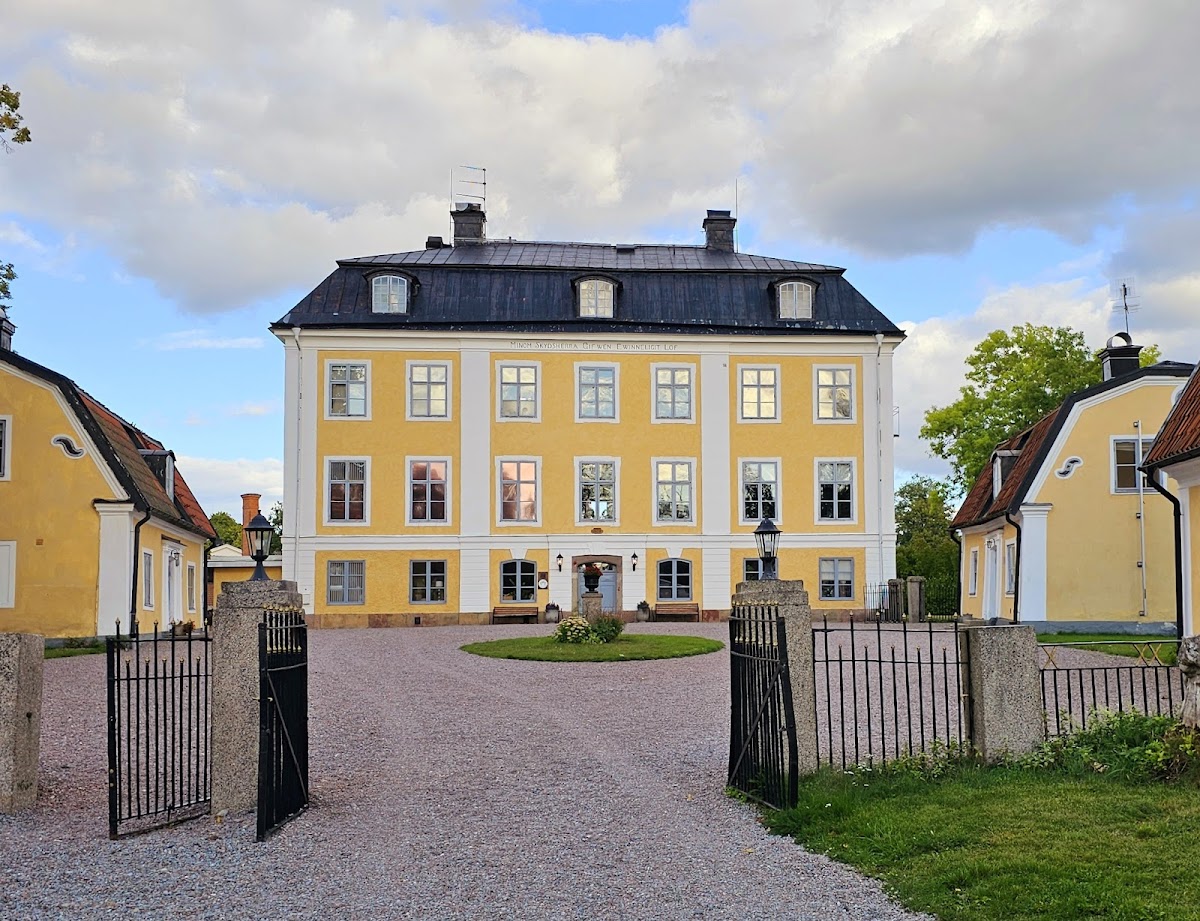
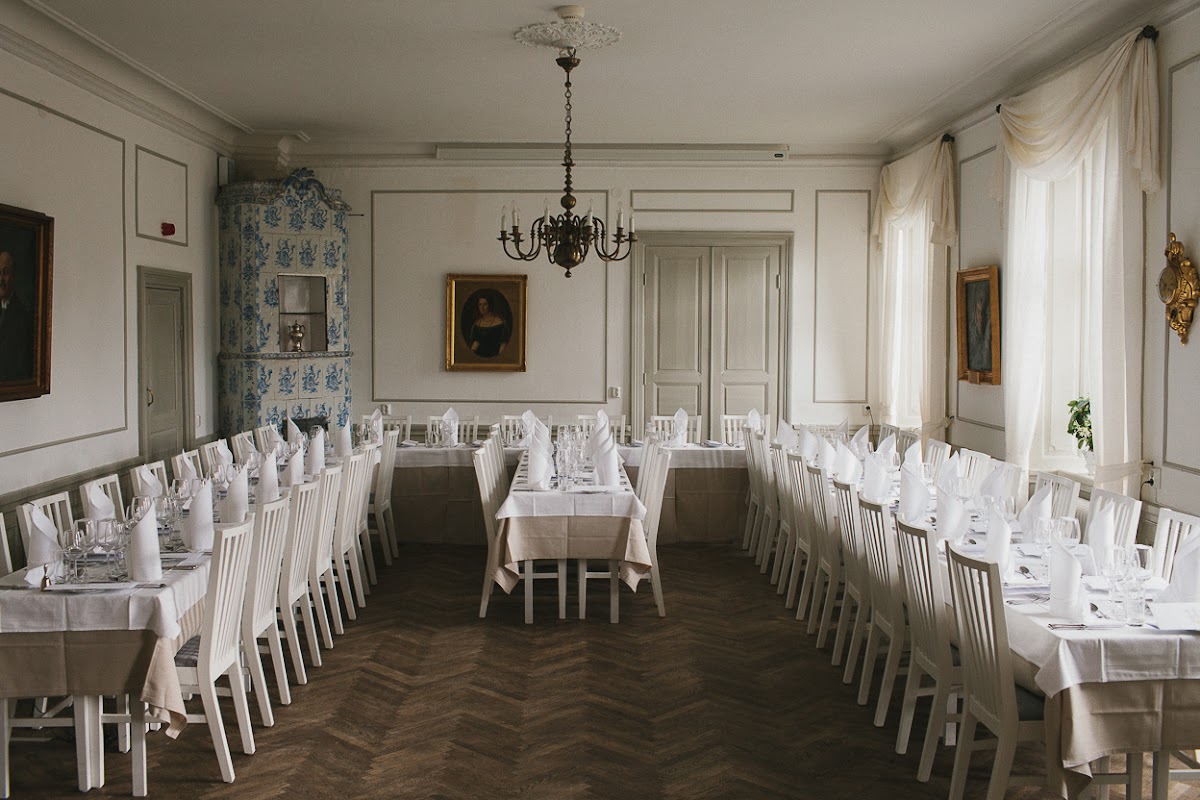
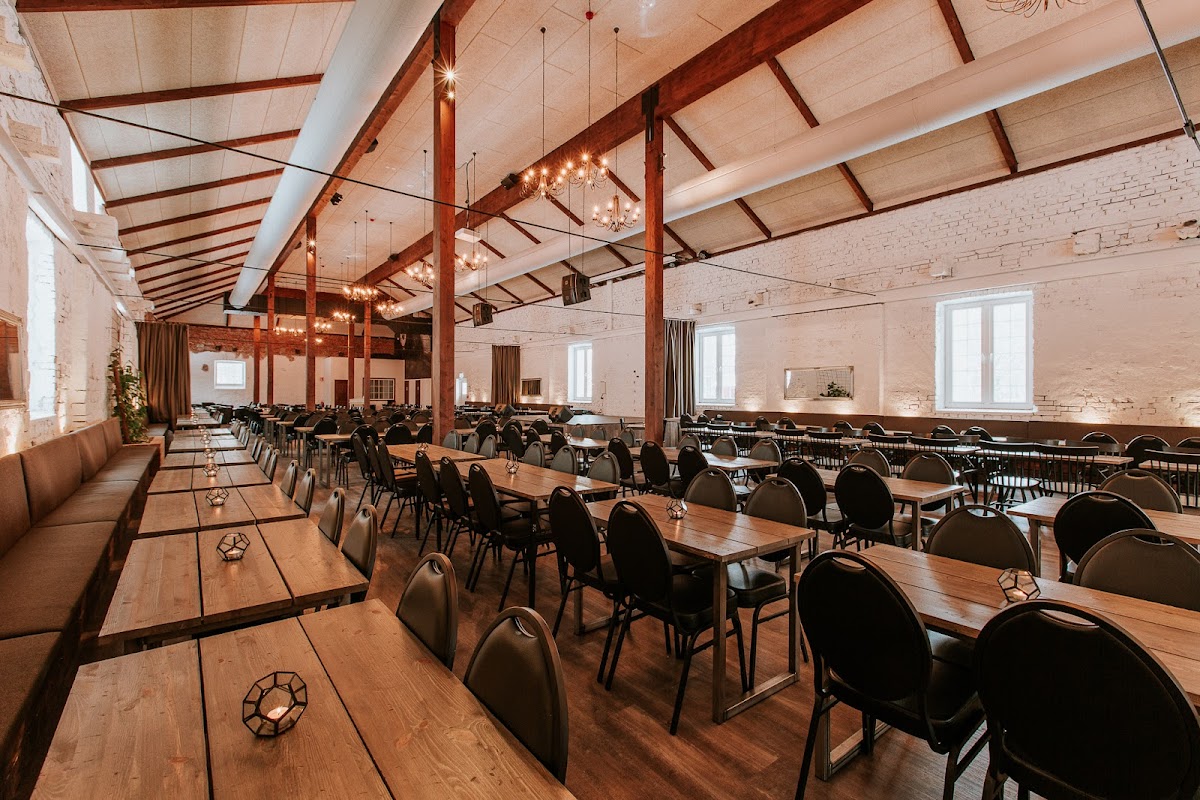
Photography is licensed stock from Unsplash, shown to evoke the setting. It does not depict a specific venue.
Subscribe to The Aisle.
A considered letter on the places worth marrying and the planning that makes them work, sent when we have something genuinely worth your time.
Join free and get our season by destination cheat sheet, the best months to marry in each place.
The Destination Wedding Budget Planner
Every real cost category, indicative ranges by destination, and a season calendar, in one clear worksheet. Enter your email and we will send it over.