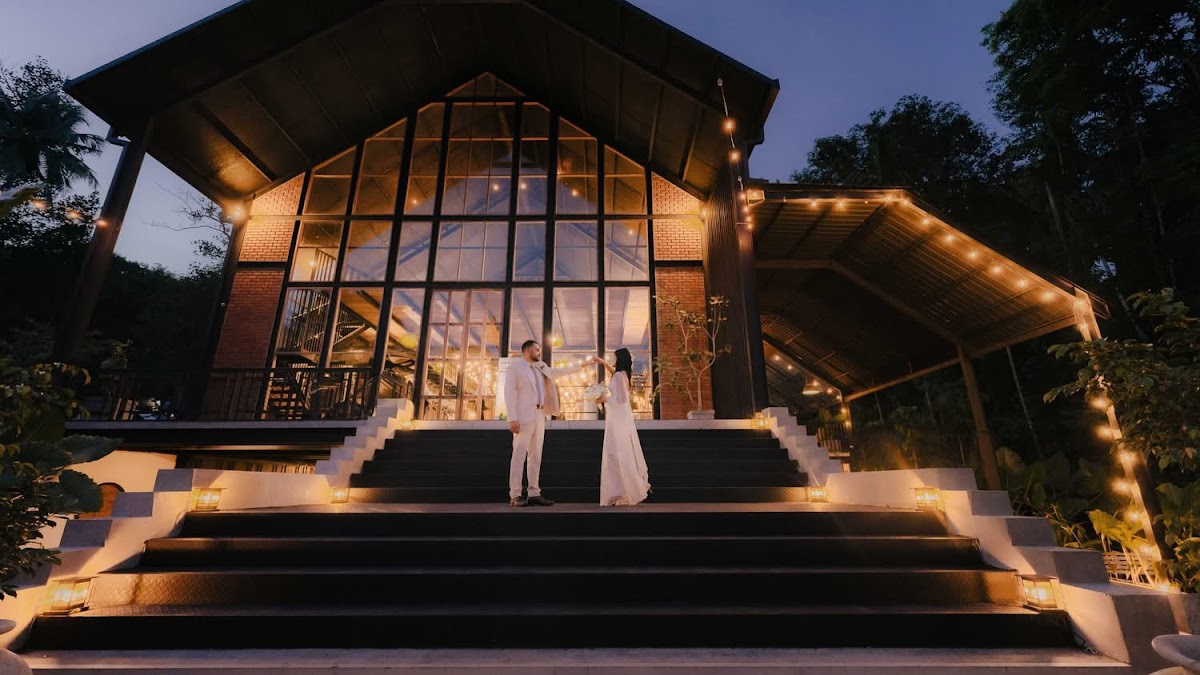
Sri Lanka is one of the more welcoming countries in Asia for a legal foreign wedding, with a clear and short process.
The two numbers that shape your trip are four days in the country first, then a fourteen day notice.
Get the certificate legalised before you leave, or it may not be recognised back home.
Foreign couples can marry legally in Sri Lanka on a tourist visa. The law requires you to spend at least four days, that is three nights, in the country before you notify a marriage registrar of your intention. After that notice there is a waiting period of at least fourteen days before the marriage can be registered. You will need passports, birth certificates, and proof you are free to marry, and the certificate should be legalised by Sri Lanka's Ministry of Foreign Affairs to be accepted abroad. This guide walks through each step.
Arrive, give notice, marry.
Sri Lanka is one of the more accommodating countries in Asia for a legally binding foreign wedding, and the rules are mercifully clear. You enter on a tourist visa, obtained before you travel, and the first requirement is simply time on the ground. The law asks foreign couples to spend at least four days in the country, which means three nights, before they can notify a marriage registrar of their intention to marry. This residency rule is the reason a Sri Lankan wedding cannot be done the moment you step off the plane, and it should sit at the front of your planning.
Once you have met the residency requirement, you give notice to the Additional District Registrar for the area where the marriage will take place. From the moment notice is given, the law requires a waiting period of at least fourteen days before the marriage can be registered. Taken together, the four days of residency and the fourteen day notice mean the legal process needs the better part of three weeks from arrival, so most couples either build a longer trip around it or arrive well before their wedding date. A good local planner will manage the registrar appointments and the timeline so the legal steps sit quietly behind the celebration.
The final step is the one couples forget, and it matters most. Your Sri Lankan marriage certificate is only reliably accepted outside the country if it has been legalised by Sri Lanka's Ministry of Foreign Affairs, and you may then need it counter certified by your own country's mission. Plan to complete this before you fly home, because chasing it from abroad is slow and frustrating. Do it properly and your marriage will be recognised when you return, which is the whole point of marrying legally rather than symbolically.
The documents you will need.
Requirements depend on your circumstances, so confirm the current list with the Registrar General's Department and your mission before you travel.
Valid passports
Current passports for both parties, used as proof of identity and to confirm your entry on a tourist visa.
Original birth certificates
Original birth certificates for both of you. You will also be asked for the full names, occupations, and addresses of both sets of parents, even if a parent has died.
Proof you are free to marry
Single applicants need a certificate of no impediment or unmarried status. If divorced, the divorce certificate and proof you are free to marry. If widowed, the death certificate of the late spouse and the previous marriage certificate.
Supporting declarations
A health declaration form may be requested, and other supporting documents can apply to particular cases. Your planner or the registrar will tell you what your situation requires.
Translations where needed
Documents not in English may need certified translations. Prepare these before you travel so they do not hold up your registrar appointment.
The things couples underestimate.
The legal route is clear, but the timings and the after steps need real planning. Confirm everything with official sources and a local planner.
Allow enough time on the ground
The four day residency and the fourteen day notice mean the legal process needs close to three weeks from arrival. Either arrive well ahead of the wedding date or plan a longer stay, so the timing never pressures the day.
Legalise the certificate
A Sri Lankan certificate is accepted abroad only when legalised by the Ministry of Foreign Affairs, and often counter certified by your mission. Complete this before you leave, as it is slow to arrange from home.
Consider a symbolic option
If the timeline is tight, some couples marry legally at home and hold a symbolic ceremony in Sri Lanka, which carries no residency or notice requirement. Weigh this against the appeal of a fully legal wedding on the island.
Use a local planner
A Sri Lanka based planner who handles legal weddings will arrange the registrar, manage the documents, and keep the timeline on track. It is the surest way to avoid a paperwork problem on a once in a lifetime day.
We will match you to a Sri Lanka venue and planner.
Tell us where on the island you picture marrying, your date, and your guest count. We will send a shortlist of venues and a planner who handles the legal route and the registrar for you.
No cost to you. We reply within two business days. Your details go only to our team.
Marrying in Sri Lanka, answered.
Can foreign couples legally marry in Sri Lanka?
+
Yes. Sri Lanka allows foreign couples to marry legally on a tourist visa, and the process is relatively straightforward. The main requirements are a short residency before notice and a fourteen day waiting period after it.
How long do you need to be in Sri Lanka to marry?
+
You must spend at least four days, three nights, in the country before giving notice to a registrar. After notice, a waiting period of at least fourteen days applies. In practice the legal process needs close to three weeks from arrival.
What documents do you need?
+
Valid passports, original birth certificates, and proof you are free to marry, which means an unmarried or no impediment certificate if single, or a divorce or death certificate if previously married. You will also give your parents' details, and may need a health declaration and translations.
Is the marriage recognised in my home country?
+
It is, provided the certificate is legalised. A Sri Lankan certificate is accepted abroad only once legalised by the Ministry of Foreign Affairs in Colombo, and often counter certified by your own mission. Complete this before you leave the country.
Should I marry legally or symbolically in Sri Lanka?
+
If you have time on the island, a fully legal wedding is straightforward. If your trip is short, marrying legally at home and holding a symbolic ceremony in Sri Lanka avoids the residency and notice timings. A local planner can help you decide.
Photography is licensed stock from Unsplash, shown to evoke the setting. It does not depict a specific venue.
Subscribe to The Aisle.
A considered letter on the places worth marrying and the planning that makes them work, sent when we have something genuinely worth your time.
Join free and get our season by destination cheat sheet, the best months to marry in each place.
The Destination Wedding Budget Planner
Every real cost category, indicative ranges by destination, and a season calendar, in one clear worksheet. Enter your email and we will send it over.