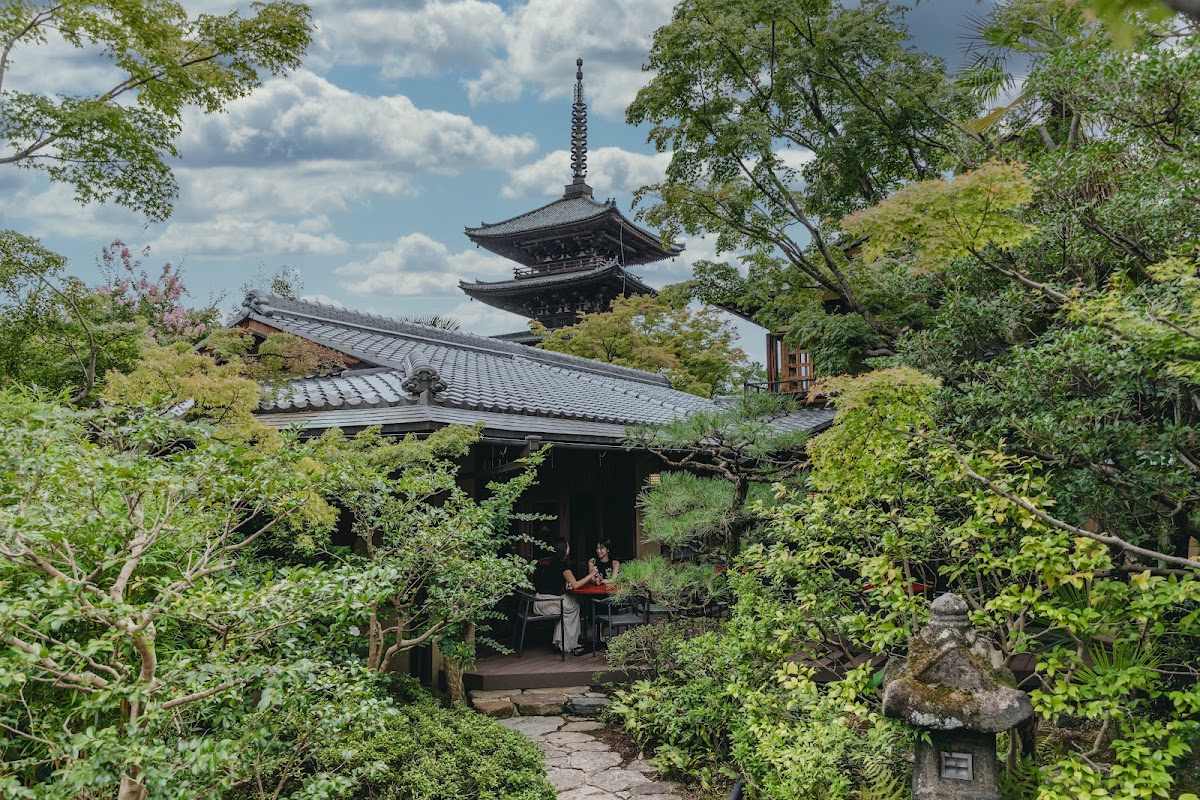
Japan is unusually simple in one respect. There is no ceremony to perform and no residency to hold, so a marriage is purely the registration of a form at a municipal office, and it takes effect the day it is accepted.
The work sits in the paperwork beforehand. Each foreign partner needs a certificate of legal capacity to marry, every document needs a Japanese translation, and the form itself must be filled out in Japanese with two witnesses.
Plan the registration as the legal step, then plan the celebration separately. Most foreign couples register and hold a symbolic ceremony at a shrine, garden or venue, because the registration alone is not the wedding.
To marry legally in Japan as a foreigner you submit a Notification of Marriage, the Konin Todoke, at a city or ward office, the shiyakusho or kuyakusho. You bring your passport, a certificate of legal capacity to marry from your embassy, a Japanese translation of supporting documents, and the form signed by two witnesses aged 18 or older. There is no residency requirement and no ceremony requirement, and the marriage is legal the moment the office accepts the notification. Rules and embassy procedures change, so confirm the current process with the local office and your embassy.
What Japan asks of a foreign couple
Japan places no residency requirement on a marriage, so a couple visiting on a temporary visitor entry can register as readily as a resident. Both partners must be at least 18. Since April 2022 the marriage age is 18 for everyone, with the age of majority lowered to 18 at the same time. The legal route is not a wedding at all but a registration, handled at the local city or ward office, the shiyakusho or kuyakusho.
The act of marrying is the submission of the Notification of Marriage, the Konin Todoke. When the office accepts it, you are married under Japanese law from that moment. There is no waiting period and no ceremony to attend. Where a Japanese national is involved the marriage is recorded in their family register, the koseki, and a foreign couple can ask for a certificate of acceptance to prove the marriage took place.
What you need to prepare
Passport for each partner
Both partners bring a valid passport, the original rather than a copy, as the standard identification for a foreigner at a Japanese municipal office.
Certificate of legal capacity to marry
Each foreign partner needs a certificate of legal capacity to marry, also called an affidavit of competency to marry, which proves you are free to marry. It is normally issued by your embassy or consulate in Japan. Procedures differ by country, so confirm the current process with your own embassy first.
Japanese translations
Supporting documents must be presented with a Japanese translation. The translation does not usually need to be done by a certified professional, and any competent Japanese speaker may prepare it, though some offices have their own preferences.
Birth certificate or family register
A foreign partner may be asked for a birth certificate to support the affidavit. A Japanese national supplies a copy of their family register, the koseki tohon. If either partner was married before, bring proof the previous marriage has ended.
Step by step at the city office
Get your certificate of capacity
Each foreign partner obtains a certificate of legal capacity to marry from their embassy or consulate in Japan. Start here, because the embassy step sets the pace and the rules vary by country.
Complete the Notification of Marriage
Fill out the Konin Todoke in Japanese. The form carries the details of both partners and the signatures of two witnesses aged 18 or older, who may be of any nationality and do not need to attend in person.
Submit it at the municipal office
Take the form, your passports, the certificates of capacity and the translations to the city or ward office. Staff review the file, and when they accept the notification the marriage is legal from that moment.
Request a certificate of acceptance
Ask the office for a certificate of acceptance of the notification, the Konin Todoke Juri Shomeisho. A foreign couple uses this as proof of the marriage back home and for any later registration with their own authorities.
An honest word on money and timing
Submitting the Notification of Marriage itself carries no fee. The cost sits in the supporting pieces, which can include a fee for your embassy to issue or process the certificate of legal capacity, any translation you pay to have done, and a small charge for the certificate of acceptance, often around 350 yen for the plain version and around 1,400 yen for the decorative one. These figures are indicative and dated to November 2025, and they vary by office and embassy, so confirm the current amounts directly.
Because the registration is not a wedding, almost every foreign couple plans a celebration on top of it. Many register at the office and hold a symbolic ceremony at a shrine, a garden or a venue, which is where the real spend lies. Some prefer to complete the legal marriage at home and keep Japan purely for the celebration, which removes the certificate and translation steps entirely.
Marrying in Japan, answered
Do we need to live in Japan to marry there?
+
No. Japan sets no residency requirement for marriage, so a foreign couple can register at a municipal office even while in the country on a temporary visitor entry, provided the documents are in order.
Is there a ceremony or waiting period?
+
No. A marriage in Japan is the registration of the Notification of Marriage, not a ceremony. There is no waiting period, and you are married the moment the office accepts the form. Any shrine or venue ceremony is entirely separate and has no legal effect on its own.
What is the certificate of legal capacity to marry?
+
It is a document, sometimes called an affidavit of competency to marry, that shows you are free to marry under your own country's law. It is usually issued by your embassy or consulate in Japan, and the way it is produced varies by country, so confirm the current procedure with your embassy.
Who can be a witness on the form?
+
The Notification of Marriage needs two witnesses aged 18 or older. They may be of any nationality and they sign the form, but they do not have to come with you to the office.
How much does it cost to register a marriage?
+
Submitting the notification itself is free. You may pay for the embassy certificate, for translations, and a small fee for a certificate of acceptance, often around 350 to 1,400 yen depending on the version. Figures are indicative and change, so confirm locally.
Will the marriage be recognised back home?
+
A marriage registered in Japan is generally recognised abroad, but you keep the certificate of acceptance as proof and some countries ask you to register or report the marriage at home. Check the requirement with your own authorities so there is no gap later.
Plan it slowly, plan it well.
The Aisle is our letter for couples planning a wedding worth travelling for, with the practical guidance and checklists that keep planning calm. Considered, never noisy.
Ready to find a venue? Get Matched with places and planners that fit your day.
Want venues that fit your plan?
Planning a celebration in Japan? Tell us roughly where and when, and we will send venues and planners who know the local process.
The Destination Wedding Budget Planner
Every real cost category, indicative ranges by destination, and a season calendar, in one clear worksheet. Enter your email and we will send it over.