Written by Morten Andersen · Last reviewed November 2025.
A wedding stylist, or designer, is the eye that turns a beautiful French venue into a coherent world, the colour, the texture, the light and the flow that guests feel before they can name it.
France has a deep bench of design talent, much of it working hand in hand with planners, and the best of it is judged on a real portfolio rather than a single styled shoot.
Decide how much you want designed, a full scenography or just the tablescape, then choose a stylist whose finished weddings already look like the day you picture.
A wedding stylist in France shapes the visual world of the day, the scenography, the colour palette, the tablescapes and the details, usually working alongside your planner and florist. Many of the country's strongest designers are part of full service planning studios. Judge them on finished weddings in a setting like yours, and brief them early so the look is built into the plan.
There is no shortage of design talent in France, so the task is matching the right eye to your wedding. Rather than name a single ranking, here is how we would judge a stylist for a French celebration, and the questions that separate a true designer from a decorator.
A styled shoot is a fantasy with no guests, no wind and no timeline. Ask to see real weddings the stylist has delivered, ideally in a setting like yours, and judge how the look held up across a full day.
Some couples want a full scenography, the whole visual world designed and built. Others only need the tablescape and a few moments styled. Be clear on scope so quotes are comparable and nothing important is missed.
A stylist works best when briefed alongside the planner and florist so colour, flowers, light and furniture tell one story. Confirm who owns the overall look and how the team divides the work.
Ask how the stylist sources furniture, linen and props in your region, what is built or hired, and how the design budget is structured. A good designer is honest about what a look costs to realise in a particular venue.
A grand chateau, a rustic vineyard and a coastal villa each call for a different hand. The best result respects the building rather than fighting it, so choose a stylist whose taste suits the bones of your venue.
Outdoor styling in peak summer must cope with heat, hard light and the odd Mistral wind in the south. Plan for shade, weighted elements and a wet weather option, and ask your stylist how a look behaves in the conditions of your date.
Candlelight, festoons and considered lighting transform a French evening more than any single decoration. Make sure lighting is part of the design brief, not an afterthought, and that the venue allows what you plan.
Furniture, linen and props all have to arrive, be built and be cleared, often within tight venue hours. Confirm the install and strike plan with your stylist and venue so the design is realistic, not just beautiful on paper.
Wedding styling in France is usually priced as a design fee plus the cost of what is sourced and built, so the total moves with the ambition of the look. A design fee can start in the low thousands of euros, while a full scenography for a large wedding runs well beyond that once furniture, linen, props and lighting are counted, reviewed November 2025.
Ask for a clear split between the design fee, the hire and build costs and any travel. A good stylist will tell you honestly what a particular look costs to realise in your venue, so you can decide where to spend and where to hold back.
Figures are indicative and reviewed November 2025. They move with scope, venue, sourcing and the scale of the build. Confirm the design fee and the full hire and build costs directly with each stylist.
Tell us your date, your venue and the look you love. We reply within 48 hours with a tailored shortlist of designers and stylists for France, at no cost to you.
Most French stylists work hand in hand with a planner, who owns the timeline and logistics while the stylist owns the look. For a destination wedding, briefing the two together from the start saves money and confusion.
Flowers are the largest part of most wedding designs, so a stylist and florist who share a palette are essential. Some studios offer both under one roof, which can keep the vision tight.
Table design and the menu meet on the same surface. Coordinate linen, glassware and the tablescape with your caterer so the styling and the service work together rather than crowd the table.
A stylist, or designer, shapes the visual world of the day, the scenography, colour palette, tablescapes, furniture, linen and details. They usually work alongside your planner and florist so the whole wedding tells one story.
No. A planner manages logistics, budget and the timeline, while a stylist owns the look. Some studios offer both, but they are different skills, and on larger weddings you often want each handled by a specialist.
Styling is usually a design fee plus the cost of what is sourced and built. Design fees can start in the low thousands of euros, with full scenography running well beyond that once furniture, linen and lighting are counted, as of November 2025.
Nine to twelve months is sensible, and sooner for peak summer dates. Bringing a stylist in early means the look is built into the plan and the budget rather than added at the end.
Many do, and work in English alongside French. Confirm working languages, how they share design proposals and how they coordinate with a planner when you enquire.
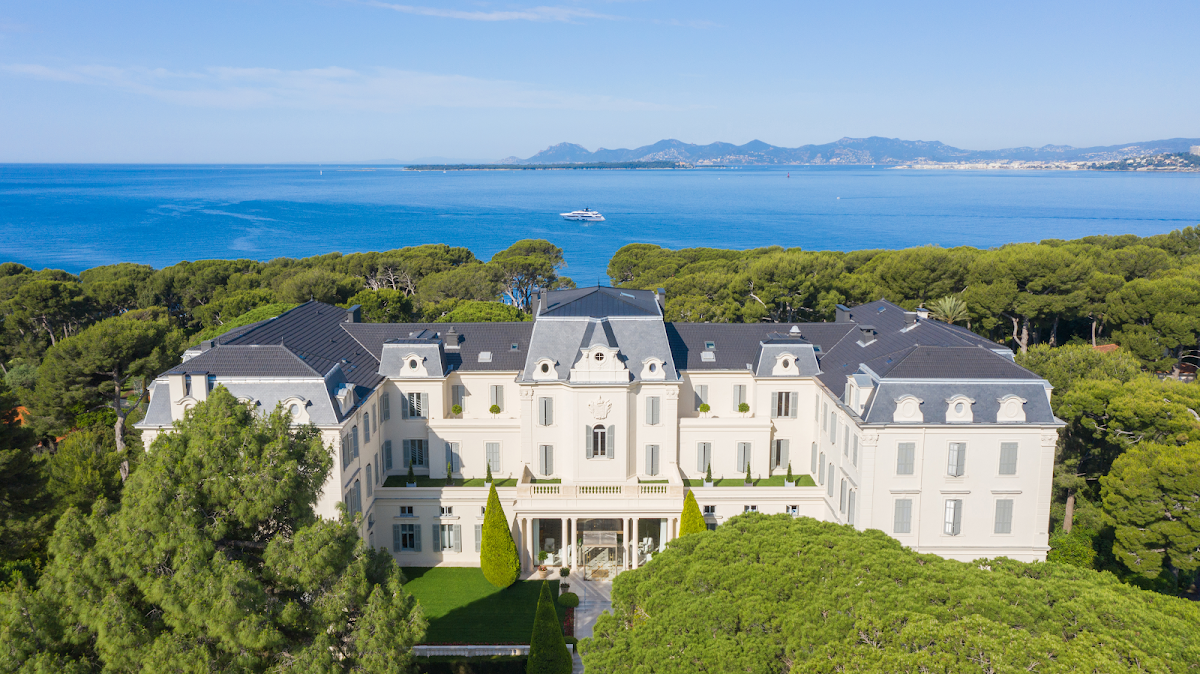
Images are licensed editorial stock for illustration. They do not depict a specific vendor, venue or wedding.
One considered letter a month. The planners and makers we rate, the seasons to chase, and the logistics couples underestimate.
Join free and get our season by destination cheat sheet, the best months to marry in each place.