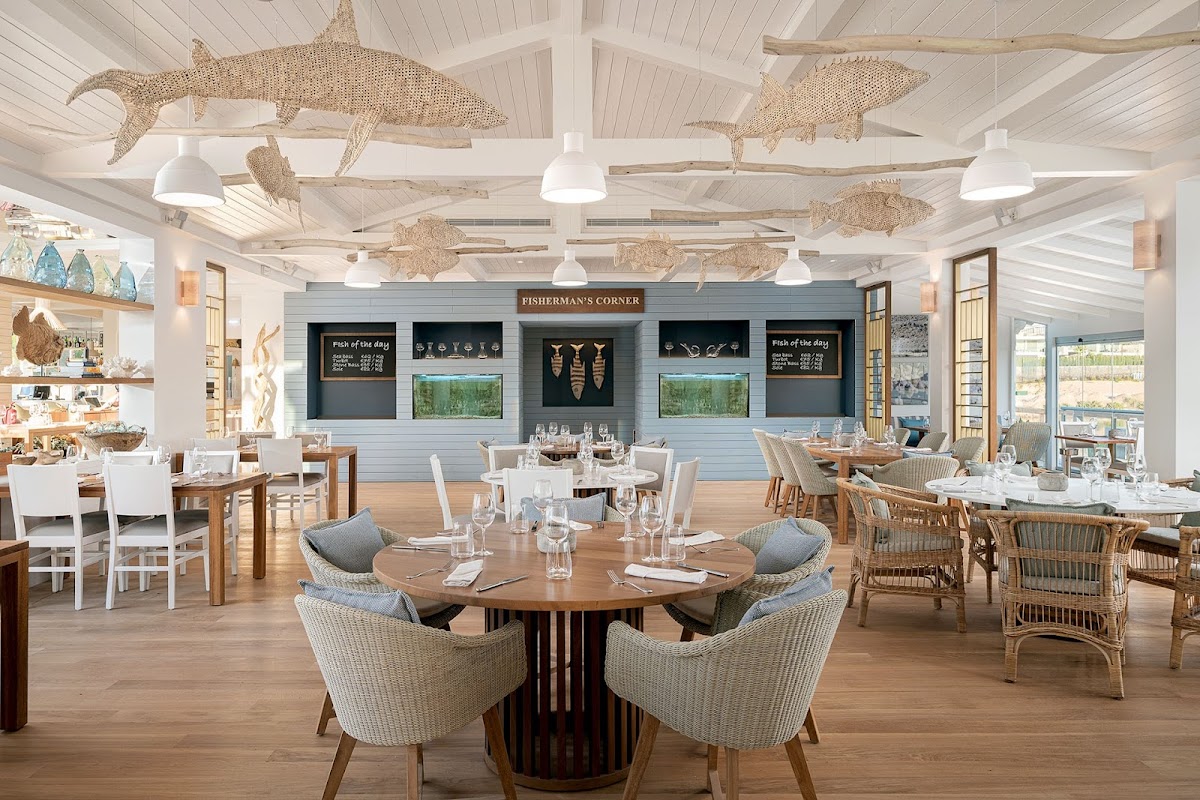
A historic landmark wedding in the Algarve means a restored palace, a noble manor or a former convent, a building with centuries behind it rather than a modern resort.
The strongest pair real provenance with a setting that still works for a celebration, from a Rococo palace near Faro to a fourteenth century manor and a sixteenth century convent in Tavira.
The practical truth is that heritage sites come with rules, on access, on noise and on what you can change, so a good planner earns their fee here.
The Algarve historic landmark venues worth the journey are the Pousada Palacio de Estoi, a restored nineteenth century Rococo palace near Faro, Solar do Paco in Algoz, a fourteenth century noble manor and the last of five village palaces still standing, and the Pousada Convento da Graca in Tavira, a sixteenth century former convent now run as a luxury Pousada. Each pairs genuine heritage with the comfort of a hotel on site. May, June and September are kindest.
The stone and the story carry the day.
The Algarve is known for its beaches, but its history sits a little inland and in the old towns, in palaces and manors and the convents that once anchored the region. A historic landmark gives a wedding a sense of provenance that no new build can buy. The tiled salons, the cloisters and the chapels were made for ceremony, and they photograph with a depth that modern venues rarely match.
The venues with the strongest provenance are the ones that have been restored with care and now run as proper hospitality. The Pousada Palacio de Estoi is a nineteenth century Rococo palace near Faro, with French inspired gardens, a chapel and neoclassical halls, considered one of the region's notable monuments. Solar do Paco in Algoz is a fourteenth century noble manor, once home to the Marquis of Sarria and the last of five village palaces still standing. The Pousada Convento da Graca in Tavira is a sixteenth century former convent, its cloister and church giving an intimate celebration real atmosphere.
The honest cautions are the ones that come with any heritage site. Protected buildings have rules on what you can hang, where you can dance and how late the music can run, and historic gardens have their own limits. Many landmarks sit inland, so guests staying on the coast will need transfers. None of this should put you off, but it does mean a planner who has worked these venues is worth their fee. Choose a shoulder month, brief your guests, and an Algarve landmark gives you history at a gentler price than its rivals further north.
Three landmarks, ranked on merit.
We rate these for genuine provenance, the quality of the restoration, the setting and how well each carries a full wedding day. The order is our honest view and nothing else.
Pousada Palacio de Estoi
Ultra luxuryA restored nineteenth century Rococo palace, now a luxury Pousada, with Versailles inspired terraced gardens, the Sao Jose chapel and neoclassical halls. One of the region's notable monuments, about twelve kilometres from Faro airport.
Solar do Paco
PremiumA restored fourteenth century noble manor in the countryside, once home to the Marquis of Sarria and the only one of five village palaces still standing. The estate spans two hectares with a palacete of period tiles, a theatre, old stables and a modern hall for larger numbers.
Pousada Convento da Graca
PremiumA sixteenth century former convent in the historic town of Tavira, now a luxury Pousada with a cloister courtyard, a neighbouring church and rooms on site. Best suited to an intimate, atmospheric celebration in a genuine heritage setting.
The practical things, told plainly.
Heritage venues come with rules as well as romance, and that is the honest tradeoff. Treat every figure as indicative and confirm directly, because catering, the season and the protections on a listed building move the total and the timeline more than the venue fee alone.
What it costs
As an indicative October 2025 guide, a historic landmark wedding in the Algarve for 50 to 150 guests often lands between EUR 45,000 and EUR 150,000 all in. Pousada venues bundle rooms and catering, while a manor on exclusive use is priced separately. Confirm pricing directly with each venue.
Getting there
Faro is the gateway airport. Estoi is about fifteen minutes away, Tavira around forty minutes east, and Algoz roughly fifty minutes west. Plan group transfers from the coastal hotels and allow time for the inland drive.
The legal bit
A legally binding civil ceremony in Portugal is arranged through the local civil registry, and the paperwork takes planning for non residents. A former convent or palace chapel suits a Catholic or a symbolic ceremony, with the legal step handled separately. A planner will coordinate the registry and any church requirements.
Heritage rules
Protected buildings limit what can be fixed to walls, where dancing happens and how late music runs. Historic gardens have their own constraints. Ask each landmark for its rules early, and let a planner who knows the site design the day around them.
A landmark rewards a planner who knows its rules.
Heritage venues reward experience. Each one has its own conservation rules, its preferred suppliers and its quirks of access, and the Portuguese civil paperwork adds a further layer. A planner who has worked the Algarve landmarks will match your numbers to the right building, handle the registry and the heritage requirements, and keep the day calm. Tell us your style and numbers and we will introduce the right one.
Browse our planner directoryWe will send a shortlist of landmarks and the right planner.
Tell us your date, your corner of the Algarve and your guest count. We will send a considered shortlist of historic landmark venues and the right local planner.
No cost to you. We reply within two business days. Your details go only to our team.
Algarve landmarks, answered.
What counts as a historic landmark venue here?
+
A building with genuine age and provenance, restored for hospitality. In the Algarve that means a palace such as Estoi, a noble manor such as Solar do Paco, or a former convent such as the Pousada in Tavira, rather than a new resort built in a traditional style.
Can we hold the ceremony at the venue?
+
Estoi has its own chapel and the Tavira convent sits beside a church, both suited to a Catholic or symbolic ceremony. The legally binding civil step in Portugal is arranged through the registry. A planner will coordinate both so the day flows.
Are there limits on music and decor?
+
Often, yes. Protected buildings limit what can be fixed to walls and how late indoor music can run, and historic gardens have their own rules. Ask each landmark for its policy early so there are no surprises close to the day.
How much does it cost?
+
As an indicative October 2025 guide, a historic landmark wedding for 50 to 150 guests often sits between EUR 45,000 and EUR 150,000 all in, below comparable houses in Italy or France. Confirm pricing directly with each venue.
When is the best time to marry here?
+
May, June and September give warm days, gentler crowds and gardens at their best. July and August are hot away from the sea breeze, which is felt at inland landmarks. Winter is mild but less reliable for outdoor dining.

Photography is licensed stock from Unsplash, shown to evoke the setting. It does not depict a specific venue.
Subscribe to The Aisle.
A considered letter on the places worth marrying, sent when we have something genuinely worth your time.
Join free and get our season by destination cheat sheet, the best months to marry in each place.