Malta is refreshingly straightforward. A civil marriage here is fully legal and internationally recognised, the process runs in English, and there is no residency requirement.
The structure is simple: submit your application in a set window before the date, the registry publishes the banns, and you finalise the paperwork in person just before the ceremony.
The honest truth is that the timing rules are strict, so the only real risk is leaving it too late or too early. Contact the Marriage Registry several months ahead and the rest follows easily.
To marry legally in Malta, you submit a marriage application to the Marriage Registry at least six weeks and no more than three months before your wedding date, providing passports, birth certificates, a Free Status Certificate or Certificate of No Impediment and proof of residence. The registry then publishes the marriage banns, which must be posted for at least eight consecutive days before the ceremony.
There is no residency requirement, and a civil marriage in Malta is binding and recognised internationally. Couples usually arrive one or two working days before the ceremony to complete the final identity checks in person at the registry in Valletta or Gozo. Any documents not in English or Maltese must be officially translated.
The timing rules
Malta works to a clear window. You must submit your marriage application at least six weeks before your chosen date, and no earlier than three months before it. That window is the one rule couples most often get wrong, so build your planning around it.
Once your application is in, the Marriage Registrar publishes the banns, a public notice of your intended marriage. The banns are posted on the registry's notice board, and in the locality where each partner resides, and must remain up for at least eight consecutive days before the wedding. In practice, couples are advised to contact the registry around four months ahead to be comfortable.
The documents and forms
Every foreign couple needs a valid passport, a birth certificate, and a Free Status Certificate or Certificate of No Impediment confirming you are legally free to marry, plus proof of residence. If either partner was previously married, you must provide the final divorce decree or, if widowed, the death certificate of the former spouse.
The application is made on the registry's forms, RZ1 and RZ2, downloadable from the Identita website, and submitted with your documents to the Marriage Registry in Valletta or, for a Gozo wedding, in Victoria. Any document not in English or Maltese must be officially translated, and documents are typically authenticated by a Commissioner for Oaths, a solicitor or an embassy official.
Final identity checks must be completed in person at the registry before the ceremony, which is why couples usually arrive a day or two ahead to sign off the paperwork in person.
Civil, religious and the day itself
A civil ceremony at the registry, or at an approved venue with a registrar attending, is the simplest legal route and is fully binding. Malta is a Catholic country, and a Catholic church wedding can also be legally recognised, though it carries additional religious requirements and paperwork through the Curia.
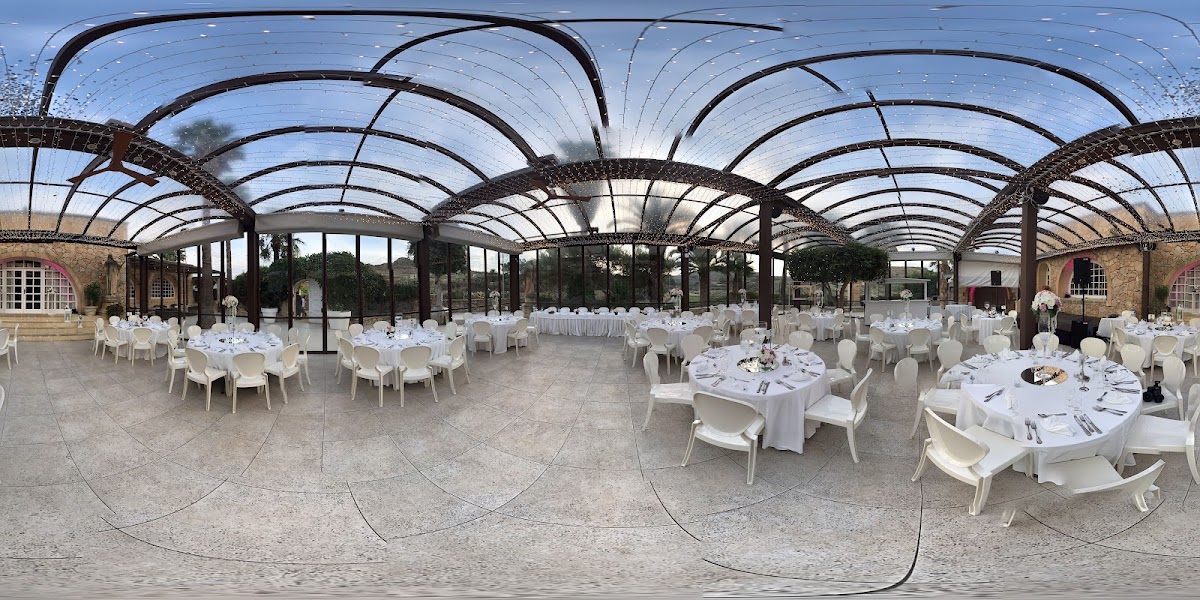
Many international couples choose a civil marriage at a beautiful licensed venue, a historic palazzo, a clifftop terrace or a Gozo farmhouse, so the legal ceremony and the celebration are one and the same. Confirm that any venue you like is licensed for civil ceremonies with a registrar.
Why Malta is so popular
Malta has quietly become one of Europe's favourite places to marry legally, and the reasons are practical. English is an official language, so there is no translation barrier on the day, the process is genuinely accessible without residency, and the island offers Mediterranean weather with a deep sense of history.
The one thing to respect is the calendar. Submit within the six week to three month window, get your documents translated and authenticated in good time, and arrive a couple of days early. Do that and a Malta wedding is among the smoothest legal routes in Europe.
The Malta legal essentials.
The application window
Submit to the Marriage Registry at least six weeks, and no more than three months, before your wedding date. This timing rule is the one couples most often miss.
The banns
The registrar publishes the marriage banns, which must be posted for at least eight consecutive days before the ceremony, in Malta and where each partner resides.
Documents
Passport, birth certificate, Free Status Certificate or Certificate of No Impediment, and proof of residence, plus any divorce decree or death certificate where relevant.
Forms and in person checks
File forms RZ1 and RZ2 from the Identita website with the registry in Valletta or Gozo, and complete final identity checks in person a day or two before.
Answered.
Is it easy for foreigners to marry in Malta?
+
Yes. Malta is one of the easiest countries in Europe for foreigners to marry legally. There is no residency requirement, English is an official language, and a civil marriage is binding and internationally recognised.
How far in advance do we apply to marry in Malta?
+
Submit your marriage application at least six weeks before the wedding and no earlier than three months before. Couples are advised to contact the Marriage Registry around four months ahead to be comfortable.
What documents do we need to marry in Malta?
+
A valid passport, a birth certificate, a Free Status Certificate or Certificate of No Impediment, and proof of residence. Previous marriages require a final divorce decree or a death certificate. Non English or Maltese documents must be officially translated.
What are the marriage banns?
+
The banns are a public notice of your intended marriage, published by the registrar on the notice board and in the localities where you reside. They must remain posted for at least eight consecutive days before the ceremony.
Do we need to live in Malta before the wedding?
+
No, there is no residency requirement and no minimum stay. Couples usually arrive one or two working days before the ceremony to complete the final identity checks in person at the registry.
Can we marry at a venue rather than the registry?
+
Yes. A registrar can attend an approved licensed venue, so a civil ceremony at a palazzo, a clifftop terrace or a Gozo farmhouse is both the legal marriage and the celebration. Confirm the venue is licensed for civil ceremonies.
Where to go next.
The Destination Wedding Budget Planner
Every real cost category, indicative ranges by destination, and a season calendar, in one clear worksheet. Enter your email and we will send it over.