
A legal Italian wedding is involved rather than difficult, and entirely doable with time and a local hand.
The nulla osta and the town hall visits are the heart of it, and the paperwork runs over months.
Many couples marry legally at home and keep a symbolic ceremony for the venue. Both are valid choices.
To marry legally in Italy you generally need a valid passport, a recent birth certificate, a nulla osta confirming you are free to marry, and sworn Italian translations of foreign documents. A civil ceremony involves several town hall visits before the day itself, and the process typically takes three to six months. Requirements vary by comune and by nationality, so confirm yours early.
Two paths, the legal and the symbolic.
There are two ways to be married in Italy, and it helps to understand both before you start. The first is a legally binding civil ceremony performed by an Italian registrar, which carries full legal weight and requires the full set of documents and town hall steps. The second is a symbolic ceremony, a beautiful, personal celebration held wherever you like, with no legal force, where the couple completes the actual legal marriage at home before or after travelling. A great many foreign couples choose the symbolic route precisely because it frees the celebration from the paperwork and the constraints of where a registrar can officiate.
If you want the full legal wedding in Italy, the central document is the nulla osta, a certificate confirming there is no impediment to your marriage under the law of your home country. It is issued by your own country's authority, often through your consulate, and depending on nationality may need to be apostilled and then sworn before an Italian court. Some nationalities use an atto notorio, a sworn declaration before an Italian tribunal with witnesses, as part of the same purpose. Which applies to you depends on your citizenship, so this is the first thing to confirm.
The honest truth is that rules vary between comuni and between nationalities, and they change. Treat any guide, including this one, as orientation rather than the last word. The couples who find the process smooth are the ones who start three to six months ahead, work with a local planner or legal specialist, and confirm the exact list with the specific town hall and their consulate. Done that way, a legal Italian wedding is entirely achievable. Done at the last minute, it is where stress creeps in.
The legal route, in order.
An orientation to the sequence for a civil ceremony. Exact requirements depend on your nationality and the comune. Confirm each step with the authorities and your consulate.
Gather your core documents
A valid passport each, and a full birth certificate, often issued within the last six months. Check your own country's rules on how recent these must be, and order them early.
Obtain the nulla osta
The certificate of no impediment, issued by your home authority, often via your consulate. Depending on nationality it may need an apostille and a sworn declaration before an Italian tribunal. Confirm your exact path.
Arrange sworn translations
Foreign documents generally need a sworn translation into Italian by a court recognised translator. Your planner or a legal specialist can arrange this so the wording satisfies the comune.
Declare your intent at the comune
A civil wedding begins with a declaration of intent at the town hall, typically a couple of weeks to a month before the ceremony, followed by submission of documents and payment of the marriage fee.
Bring an interpreter if needed
If either partner does not speak Italian, the comune usually requires a certified interpreter at the ceremony, and sometimes witnesses. Confirm the comune's specific rule in advance.
The ceremony, then the certificate
The registrar performs the civil ceremony, after which you receive your Italian marriage certificate. Ask how to obtain copies and how the marriage is recognised and registered back home.
What to budget, and when.
The legal process carries its own modest costs on top of the wedding itself. Figures are indicative for April 2026 and vary by comune and nationality.
Town hall fees
The marriage fee at the comune is commonly in the region of 100 to 300 euros, often higher for non residents and for ceremonies held outside standard hours or in a prestigious civil venue. Confirm the exact figure with the town hall.
Translations and legalisation
Sworn translations, apostilles, and any tribunal declaration carry their own fees, modest individually but worth budgeting together. A specialist who handles these routinely will give you a clear quote.
Start three to six months out
Gathering documents, securing the nulla osta, and arranging translations takes time, and some steps cannot be rushed. Begin the legal track several months before the wedding to keep it calm.
Consider the symbolic route
Marrying legally at home and holding a symbolic ceremony in Italy removes the paperwork from the day and widens where you can celebrate. For many couples it is the simpler and freer choice.
We will pair you with a planner who knows the paperwork.
Tell us where in Italy you dream of marrying and your rough date. We will connect you with a local planner or legal specialist who handles the nulla osta and the comune for couples like you.
No cost to you. We reply within two business days. Your details go only to our team.
Marrying in Italy, answered.
What is a nulla osta?
+
It is a certificate of no impediment, confirming you are legally free to marry under the law of your home country. Italy requires it from foreign nationals, and depending on your citizenship it may need an apostille and a sworn declaration before an Italian tribunal.
How long does the process take?
+
Plan for three to six months to gather documents, secure the nulla osta, and arrange translations, with several town hall visits in the final weeks. Some steps cannot be rushed, so starting early is the single best thing you can do.
Should we do a symbolic ceremony instead?
+
Many couples do. Marrying legally at home and holding a symbolic ceremony in Italy removes the paperwork from the day and lets you celebrate anywhere, including venues a registrar cannot officiate. It is a popular, valid, and often simpler choice.
Do we need an interpreter?
+
For a civil ceremony, if either partner does not speak Italian, the comune usually requires a certified interpreter, and may require witnesses. Rules vary by town hall, so confirm the specific requirement with the comune where you will marry.
Will an Italian marriage be valid at home?
+
A legal civil marriage in Italy is generally recognised abroad, but you may need to register it at home and obtain certified, translated copies of the certificate. Ask your comune and your own authorities about the recognition process for your country.

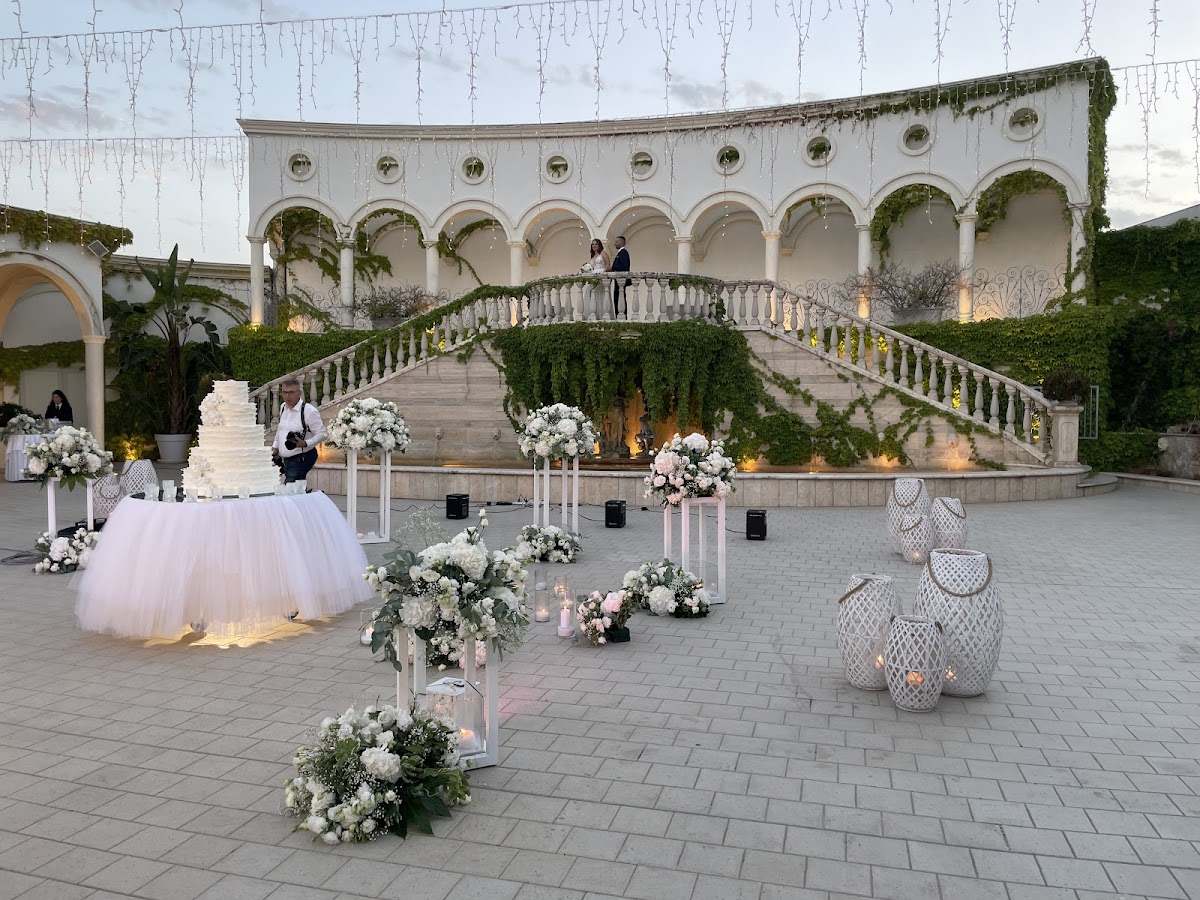
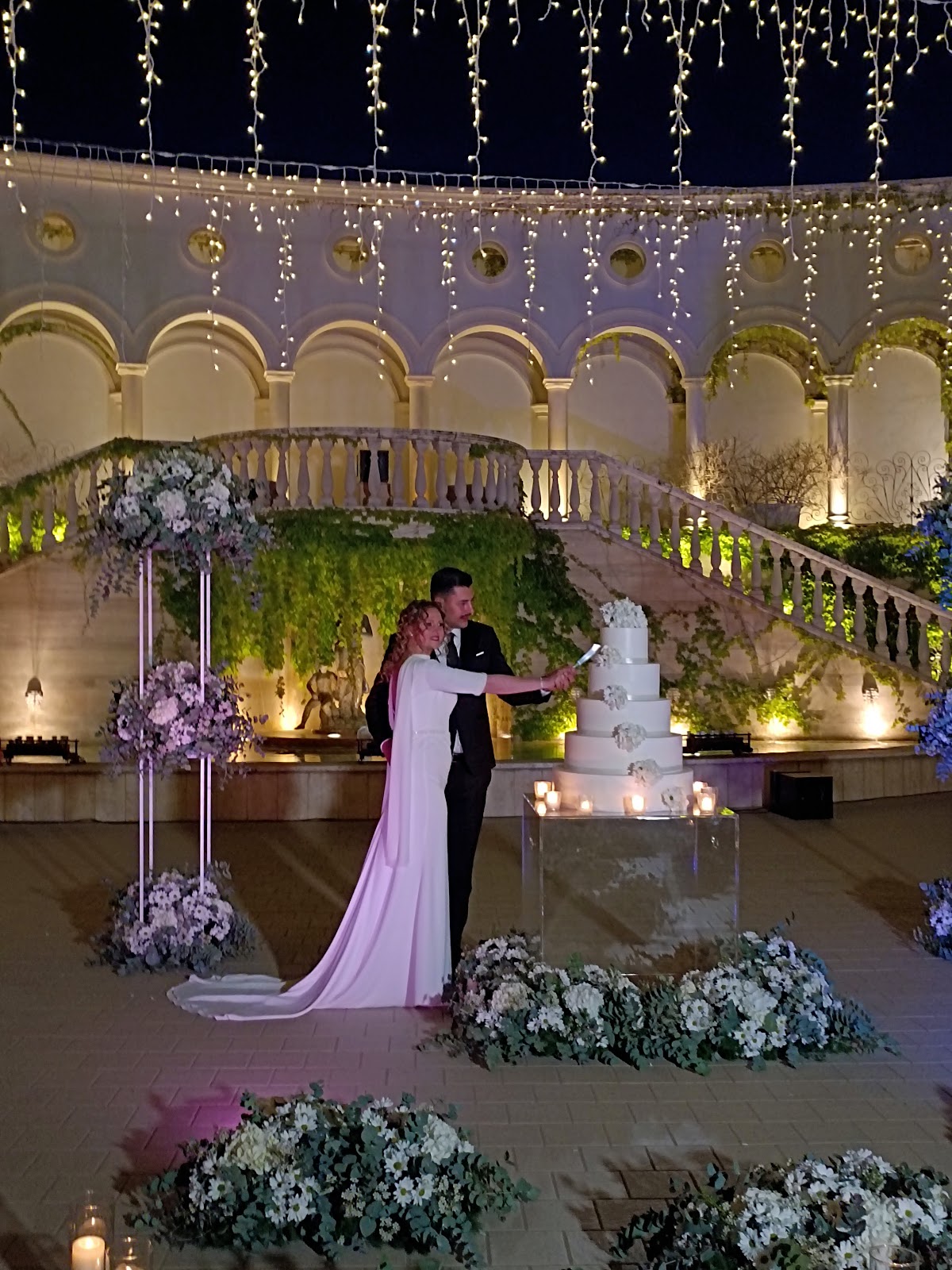
Photography is licensed stock from Unsplash, shown to evoke the setting. It does not depict a specific venue.
Subscribe to The Aisle.
Clear planning notes and the places worth marrying, sent when we have something genuinely worth your time.
Join free and get our season by destination cheat sheet, the best months to marry in each place.
The Destination Wedding Budget Planner
Every real cost category, indicative ranges by destination, and a season calendar, in one clear worksheet. Enter your email and we will send it over.