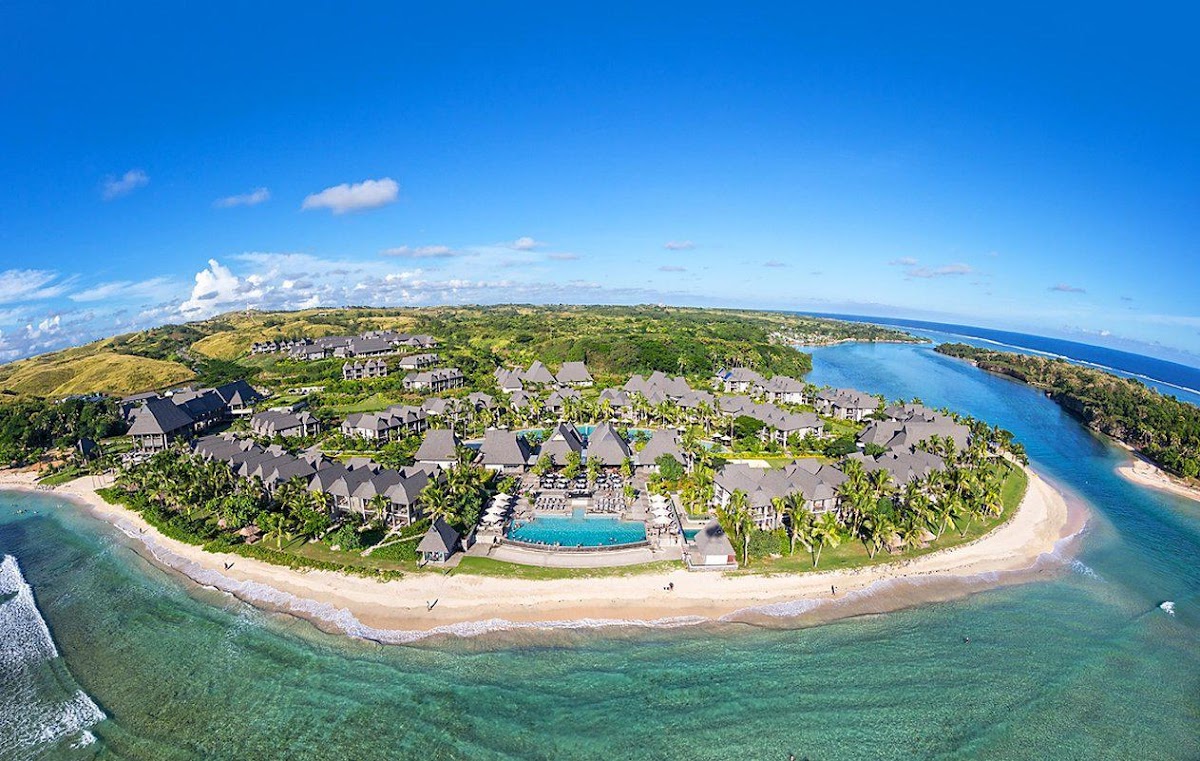
Fiji is one of the most straightforward places in the world to marry legally as a foreigner. There is no residency requirement, the ceremony runs in English, and the marriage is recognised internationally without a second ceremony at home.
The one process couples underestimate is the licence. You collect and sign it in person at a marriage registry before the wedding, so you need to arrive a few days early and bring every original document.
A Fijian celebrant must legally solemnise the marriage. Your own officiant can read vows and lead the moment, but the registered celebrant signs the certificate. Plan around that and Fiji is close to effortless.
To marry legally in Fiji, you and your partner visit a marriage registry in person to obtain and sign your marriage licence before the ceremony, bringing valid passports, original or certified birth certificates, and a Certificate of Single Status or Certificate of No Impediment confirming you are free to marry. Couples are advised to arrive at least three days ahead to complete this comfortably.
There is no residency requirement. A licensed Fijian marriage celebrant must solemnise the marriage and sign the certificate, and two witnesses aged twenty one or over must be present. Once registered, the marriage is recognised worldwide, and the certificate is processed for an apostille through the relevant Fijian authorities so it is valid in your home country.
The marriage licence, collected in person
Fiji does not let you marry on a licence arranged entirely from abroad. Overseas couples must attend a marriage registry in person to apply for and sign the licence before the wedding, bringing all original documents. The registry needs time to check everything, so leaving at least three days before the ceremony is the safe approach rather than landing the day before.
Once issued, the licence is valid for twenty eight days, which gives sensible breathing room if your date moves slightly. Many resorts and planners will guide you to the nearest registry and help arrange the trip, but the couple must appear in person. Treat this as the single most important logistical task of the week.
The documents you need
Every foreign couple needs a valid passport and an original or certified copy of a birth certificate for each partner. You also need a Certificate of Single Status, sometimes called a Certificate of No Impediment, issued by your home registry of births, deaths and marriages to confirm you are legally free to marry.
If either partner was previously married, bring the final divorce decree, and if widowed, the death certificate of the former spouse. Any document not in English should be officially translated. Parental consent in writing is required if either partner is under twenty one. Carry originals, not copies, as the registry checks them at the counter.
The celebrant rule and the ceremony
Under Fijian law, a licensed Fijian marriage celebrant must solemnise the marriage and sign the certificate. This catches many couples out. If you want to bring your own officiant, a friend or a celebrant from home, they are welcome to lead the vows and shape the ceremony, but the registered Fijian celebrant performs the legal part and signs alongside your two witnesses.
Resorts that handle weddings routinely supply a celebrant as part of their package, so confirm this is included when you book. The two witnesses must be twenty one or over and carry valid photo identification on the day.
Recognition back home
A registered Fiji marriage is legally recognised internationally, so you do not need a second civil ceremony at home for the marriage to be valid. After the wedding, the marriage certificate is processed for an apostille through the relevant Fijian authorities, which authenticates it for use in your own country.
Allow time for the certificate and apostille to be issued and posted, and ask your planner or resort how long this typically takes after the date. Keep certified copies for changing your name, your records and any visa or immigration steps. Get the licence and documents right at the start, and the legal side of a Fiji wedding is one of the easiest in the world.
The Fiji legal essentials.
The licence in person
Both partners attend a marriage registry to obtain and sign the licence before the ceremony. Arrive at least three days ahead, and bring all original documents.
A Fijian celebrant
A licensed Fijian celebrant must solemnise the marriage and sign the certificate. Your own officiant may lead the vows, but cannot perform the legal act.
Documents
Passport, birth certificate and a Certificate of Single Status or No Impediment, plus any divorce decree or death certificate where relevant, in English.
Recognised worldwide
A registered Fiji marriage is valid internationally, with the certificate processed for an apostille so no second ceremony at home is needed.
Answered.
Is a Fiji wedding legally recognised at home?
+
Yes. A registered Fiji marriage is recognised internationally, and the certificate is processed for an apostille, so you do not need a second ceremony at home for the marriage to be valid.
How early do we need to arrive in Fiji?
+
Plan to arrive at least three working days before the wedding. You must visit a marriage registry in person to obtain and sign your licence, and the extra days remove the risk of a delay at the counter.
What documents do we need to marry in Fiji?
+
A valid passport, an original or certified birth certificate, and a Certificate of Single Status or No Impediment for each partner. Previous marriages need a divorce decree or death certificate. Non English documents should be officially translated.
Can our own officiant marry us in Fiji?
+
Your own officiant can lead the vows and shape the ceremony, but a licensed Fijian celebrant must legally solemnise the marriage and sign the certificate. Most wedding resorts provide a celebrant as part of the package.
Is there a residency requirement in Fiji?
+
No, there is no residency requirement and no minimum stay. You simply need to be in Fiji in time to collect the licence in person and complete the document checks before the ceremony.
How long is the marriage licence valid?
+
Once issued, the licence is valid for twenty eight days, which gives comfortable room if your date shifts slightly within your stay.
Where to go next.
The Destination Wedding Budget Planner
Every real cost category, indicative ranges by destination, and a season calendar, in one clear worksheet. Enter your email and we will send it over.