
There is no residency requirement, and a stay of about three days is enough.
Your documents must be apostilled at home and translated into Spanish before you travel.
After the wedding, the marriage certificate is legalised to be valid internationally.
A legal wedding in the Dominican Republic is genuinely achievable for foreign couples, because there is no residency requirement and a minimum stay of around three days is enough. The work is in the documents, which must be apostilled in your home country and translated into Spanish before you arrive. After the ceremony, the marriage certificate is legalised by the foreign ministry so it is recognised at home. This guide walks through both.
Easy on residency, exacting on paperwork.
The Dominican Republic is one of the more straightforward Caribbean countries for a legally binding wedding. There is no residency requirement, so you do not need to arrive weeks ahead, and a minimum stay of around three days is generally enough to marry and complete the formalities. That makes it popular for couples who want the legal marriage and the celebration in one trip.
The effort sits entirely in the documents. Because the Dominican Republic is part of the Hague Convention, your official papers must be apostilled by the relevant authority in your home country, then translated into Spanish. If your country is not in the Convention, the documents are legalised at a Dominican consulate instead. All of this happens before you travel.
The honest caution is timing and accuracy. Documents should be legalised no more than three months before the wedding, names must match across every paper, and the requirements are precise. This is a process to start months ahead and, in practice, to run through an experienced local planner or wedding office rather than alone.
From documents to the certificate.
The broad sequence for a legal Dominican wedding. Exact requirements depend on your nationality and marital history, so confirm with your planner and, where relevant, the embassy.
Gather your documents
Prepare birth certificates, a sworn single status affidavit, photocopies of your passports and your witnesses' passports, and, if relevant, divorce decrees or a late spouse's death certificate. Names must be consistent across every document.
Apostille at home
Have the official documents apostilled by the competent authority in your home country, often the Secretary of State or Foreign Ministry. If your country is not in the Hague Convention, legalise them at a Dominican consulate instead.
Translate into Spanish
Have the apostilled documents translated into Spanish by an accepted translator. Passports are generally the exception and do not need translation. Keep originals and copies together for travel.
Mind the three month window
Ensure documents are legalised no more than three months before the wedding date. Starting too early can invalidate them, so coordinate the timing with your planner.
Marry with witnesses
Hold the civil ceremony with the required witnesses. There is no residency requirement and a stay of around three days is typically enough to complete everything around the wedding.
Legalise the certificate
After the wedding, the marriage certificate, the acta de matrimonio, is legalised by the Dominican Ministry of Foreign Affairs so it is recognised internationally. Your planner usually manages this step and the return of the document.
The practical things, told straight.
The cost here is mostly in document preparation, apostilles and translation, rather than long stays. The notes below are general guidance and not legal advice, so confirm specifics for your nationality.
Start months ahead
The apostille and translation chain takes time and must land inside the three month window before the wedding. Begin gathering documents several months out and let your planner schedule the legalisation.
Civil or symbolic
A legal civil wedding is realistic here thanks to the lack of a residency rule. Some couples still prefer a symbolic ceremony with the legal step at home, especially if their document situation is complex. Either works.
Names and accuracy
Mismatched names across documents are the most common cause of delay. Check that every paper, from birth certificate to affidavit, uses consistent names before apostilling and translating.
Use a local wedding office
An experienced Dominican planner or wedding office knows the current document list, the accepted translators and the legalisation of the final certificate. For most couples this is the difference between simple and stressful.
A Dominican planner runs the document chain for you.
The paperwork is precise but very manageable with the right help. Tell us your resort or region and date, and we will connect you with a planner or wedding office that handles Dominican legal weddings every week.
Browse our planner directoryMarrying in the Dominican Republic, answered.
Is there a residency requirement to marry in the Dominican Republic?
+
No. There is no residency requirement, and a minimum stay of around three days is generally enough to marry and complete the formalities. Confirm the exact stay with your planner.
What documents do we need?
+
Typically birth certificates, a sworn single status affidavit, passport copies, and copies of your witnesses' passports, plus divorce or death certificates where relevant. Most must be apostilled and translated into Spanish.
What is an apostille and do we need one?
+
An apostille is an international certification of an official document. Because the Dominican Republic is in the Hague Convention, your documents must be apostilled at home. If your country is not in the Convention, you legalise them at a Dominican consulate instead.
Do documents need to be translated?
+
Yes. Apostilled documents must be translated into Spanish by an accepted translator before you travel. Passports are generally the exception and do not require translation.
How current must the documents be?
+
Documents should generally be legalised no more than three months before the wedding date, so timing matters. Starting the legalisation too early can invalidate them.
Is the marriage recognised at home?
+
After the ceremony, the marriage certificate is legalised by the Dominican Ministry of Foreign Affairs so it can be recognised internationally. Keep the legalised certificate safe for registration at home.


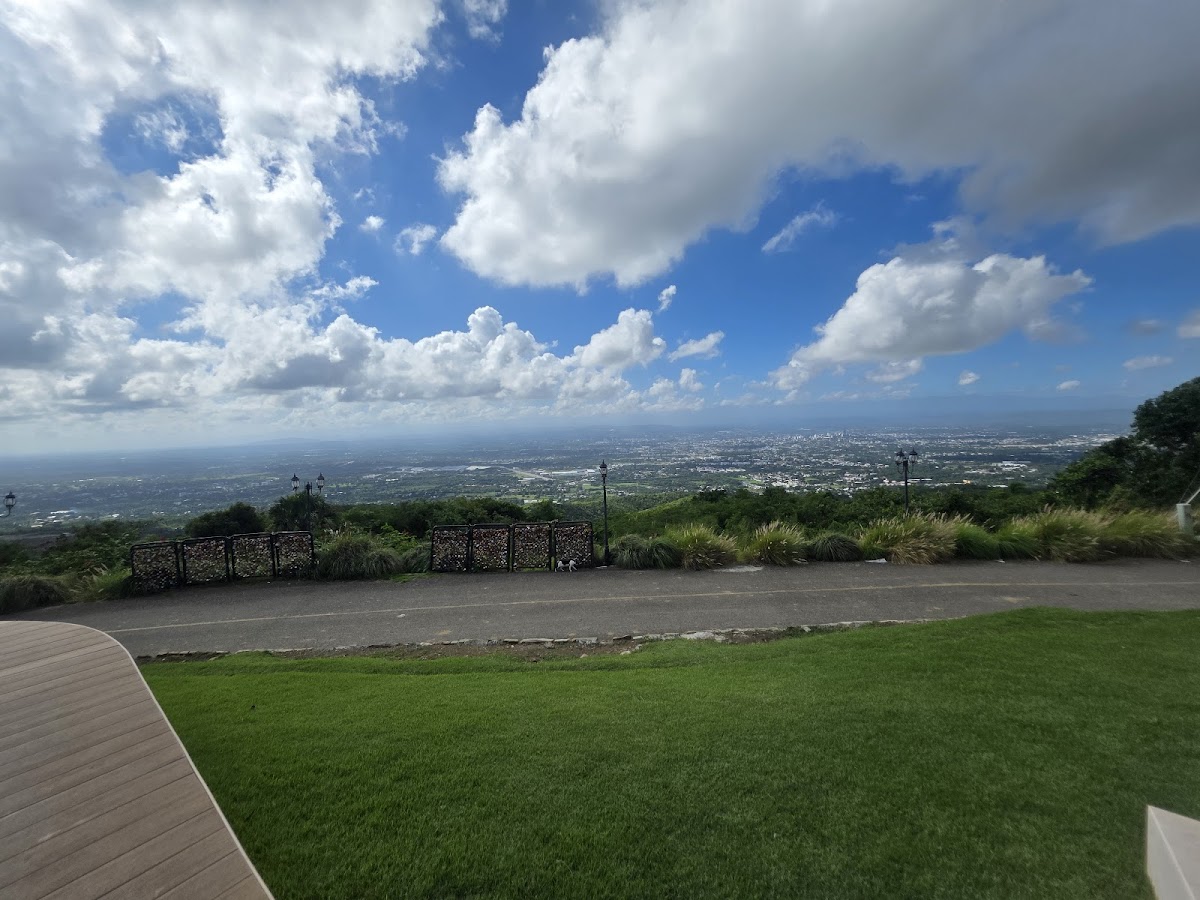
Photography is licensed stock from Unsplash, shown to evoke the setting. It does not depict a specific venue.
We will connect you with a planner who runs the paperwork.
Tell us your resort or region and date. We will send a planner or wedding office that handles Dominican legal weddings, along with venues that suit your day.
No cost to you. We reply within two business days. We are an editorial resource, not a law firm, so confirm legal details with your planner or the embassy.
Subscribe to The Aisle.
A considered letter on the places worth marrying, sent when we have something genuinely worth your time.
Join free and get our season by destination cheat sheet, the best months to marry in each place.
The Destination Wedding Budget Planner
Every real cost category, indicative ranges by destination, and a season calendar, in one clear worksheet. Enter your email and we will send it over.