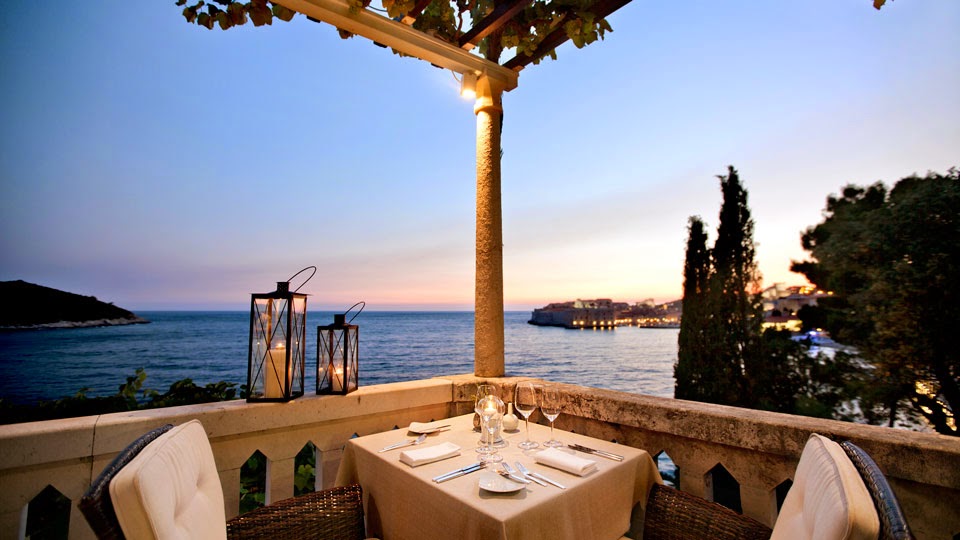
If you want a French chateau, Dubrovnik is the wrong place. If you want the Adriatic equivalent, the Renaissance summer residence, it is one of the most romantic in Europe.
What you gain is a five hundred year old stone villa with a loggia, a chapel and cascade gardens, often right on the water, steeped in the history of the old Republic.
What you trade is size. These are intimate heritage houses, so the guest count is modest and the best dates go fast.
Dubrovnik does not have chateaux, so we read the brief honestly as the local equivalent, the ljetnikovac or Renaissance summer residence of the city's old aristocracy. Villa Bunic Kaboga, a restored fifteenth and sixteenth century waterfront villa with a chapel and cascade gardens, holds around 60 indoors or 100 on its terrace. Palace Natali, a sixteenth century noble palace in the Old City, is the intimate counterpoint. These are heritage houses for a refined, smaller celebration rather than a grand chateau party. Late spring and early autumn are kindest, and demand is high.
The summer residence of a republic.
The French chateau and the Loire are a particular thing, and Dubrovnik does not have them. What it has instead grew from the same impulse, a noble family building a grand country house to escape the city and entertain in style. Here that house is the ljetnikovac, the Renaissance summer residence built by the merchant aristocracy of the Republic of Ragusa between the fifteenth and seventeenth centuries, scattered along the coast and the Rijeka Dubrovacka inlet. Stone built, with an arcaded loggia, a private chapel, a boathouse and cascade gardens running down to the water, the ljetnikovac is the Adriatic answer to the chateau, and we treat it as such on this page rather than invent castles that do not exist.
The finest of these residences is Villa Bunic Kaboga, recognised as one of the most valuable monuments of fifteenth and sixteenth century villa architecture in the Dubrovnik region. Fully restored, its Gothic and Renaissance villa, portico, loggia, the chapel of Saint Bernard and terraced gardens make a setting of real gravity, and it works as a wedding venue for around sixty guests inside or a hundred on the terrace. In the heart of the walled Old City, Palace Natali offers a different note, a sixteenth century nobleman's palace turned intimate venue, private and historic, for a smaller celebration within the stone streets themselves.
The honest cautions are scale, heritage and season. These are protected cultural monuments, not purpose built event estates, so capacities are modest, layouts are fixed by old stone, and rules protect the fabric of the place. The best of them take only a handful of weddings each year and book a long way ahead. High summer is hot and the coast is crowded. Choose late May, June or September, work with a planner who holds the keys to these houses, and you marry in a setting no modern venue can imitate.
Two heritage houses, ranked on merit.
We rate these for the grandeur and authenticity of the house, the gardens, the privacy and how workable each is for a seated dinner. The order is our honest view, and each is a real Dubrovnik heritage venue, not a chateau pastiche.
Villa Bunic Kaboga
The residenceA fully restored fifteenth and sixteenth century Renaissance summer residence on the water, with a portico, loggia, the chapel of Saint Bernard, a boathouse and cascade gardens. One of the most valuable villa monuments in Croatia, it hosts around 60 inside or 100 on the terrace.
Palace Natali
The intimateA sixteenth century nobleman's palace in the heart of the walled Old City, carefully restored and run as an intimate venue. Private and genuinely historic, it suits a smaller celebration set within Dubrovnik's stone streets and gardens.
The practical things, told straight.
A heritage residence is a privilege to hire and asks for care. Treat every figure as indicative and confirm directly, as the house, the headcount and the season move the total far more than the hire fee alone. A protected monument also brings its own rules.
What it costs
As an indicative April 2026 guide, a residence wedding here for 40 to 100 guests often lands between EUR 35,000 and EUR 120,000 all in. Daily hire of a villa such as Villa Bunic Kaboga has been quoted from roughly EUR 1,080 to EUR 1,560 depending on numbers, with catering and the rest building from there. Confirm all fees and minimum spends directly.
Getting there
Dubrovnik airport connects across Europe and sits around half an hour from the city and coast. The Old City is pedestrian only, and waterfront villas are often reached by boat as well as road, which a planner will arrange for guests.
The legal bit
Croatia allows foreign couples to marry legally with the right documents, and civil ceremonies can often be held at licensed locations. The paperwork takes lead time and translation, so many couples handle the legal step early and keep the residence ceremony as the celebration. A planner will confirm the route.
The heritage rules
These villas and palaces are protected monuments, so there are limits on what can be fixed, lit or amplified, and on how late music plays. Confirm the terms in writing before booking, and plan a celebration that honours the fabric of the house.
A heritage residence rewards a planner with the keys.
These houses take only a few weddings a year and are tightly held, so the right planner matters more here than almost anywhere. A Dubrovnik specialist will know which residence suits your numbers, hold the heritage permissions and boats, and bring the florists, caterers and musicians who have worked these terraces. Tell us your style and guest count and we will introduce the right one.
Browse our planner directoryWe will send a shortlist of heritage residences and the right planner.
Tell us your date, your guest count and the kind of Dubrovnik day you picture. We will send a considered shortlist of Renaissance residences and palaces, and the right local planner.
No cost to you. We reply within two business days. Your details go only to our team.
Chateau Dubrovnik, answered.
Are there real chateaux in Dubrovnik?
+
Not in the French sense. Dubrovnik's heritage is the Renaissance summer residence, or ljetnikovac, the grand country villa of the old Republic's nobility. We treat that as the local equivalent of the chateau rather than describe castles that are not there.
How many guests can these houses hold?
+
They are intimate. Villa Bunic Kaboga hosts around 60 inside or 100 on its terrace, and Palace Natali suits a smaller party still. Always confirm the seated capacity for your layout directly with each venue.
Can we marry legally at the villa?
+
Croatia permits foreign couples to marry legally with the right paperwork, and some locations are licensed for civil ceremonies. The documents take lead time and translation, so many couples settle the legal step early and keep the villa ceremony as the celebration. A planner confirms the current route.
When is the best time to marry here?
+
Late May, June and September give warm, settled weather and a calmer city than the peak of July and August, when Dubrovnik is hot and busy with cruise visitors. The shoulder months suit a terrace celebration best.
Why do these venues book so early?
+
Because there are very few of them and each takes only a handful of weddings a year to protect the fabric. The best residences are reserved well over a year ahead for peak season dates, so begin early and stay flexible on the date.
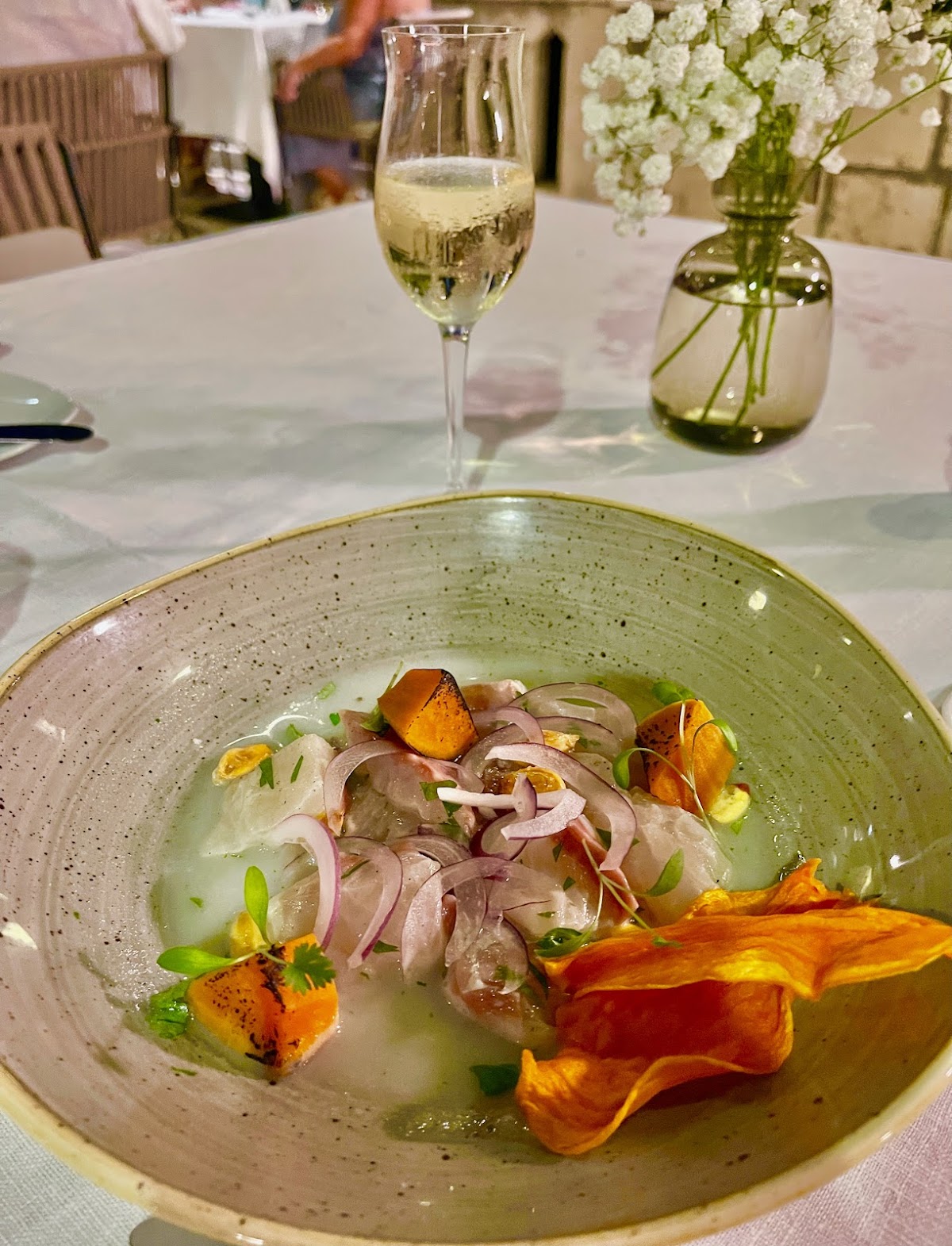
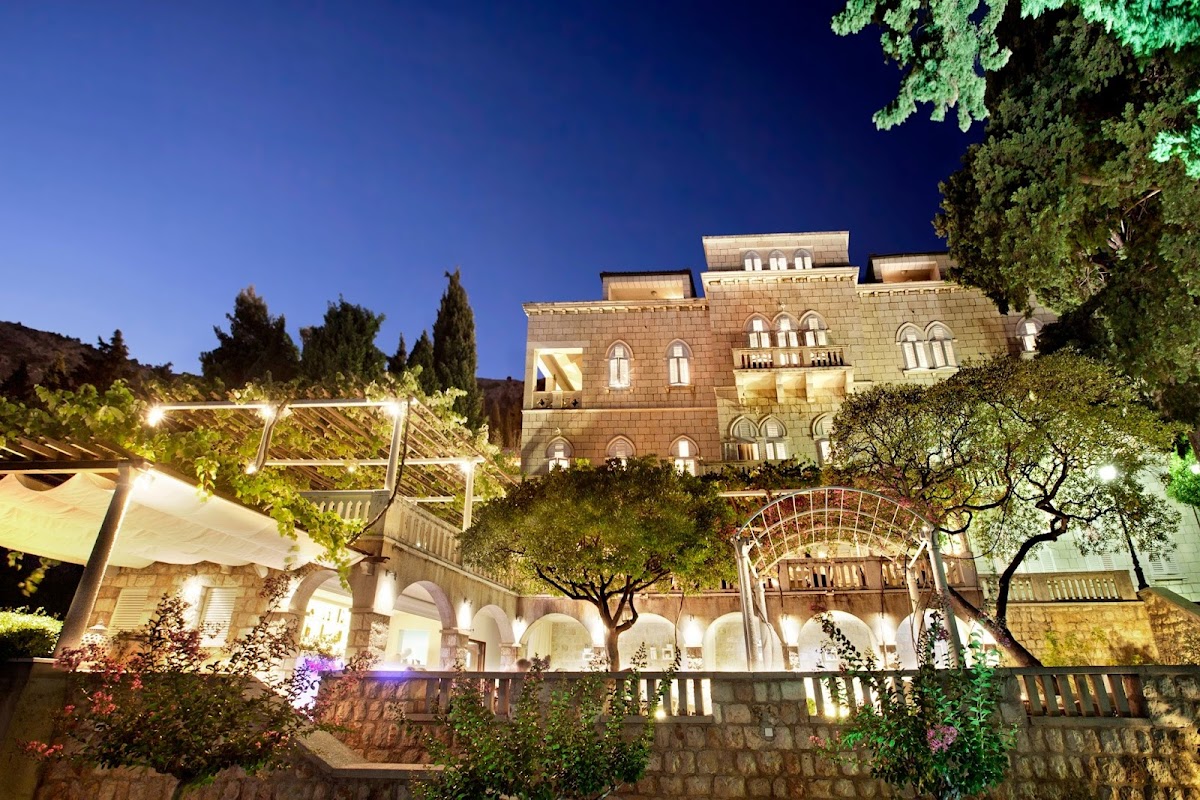
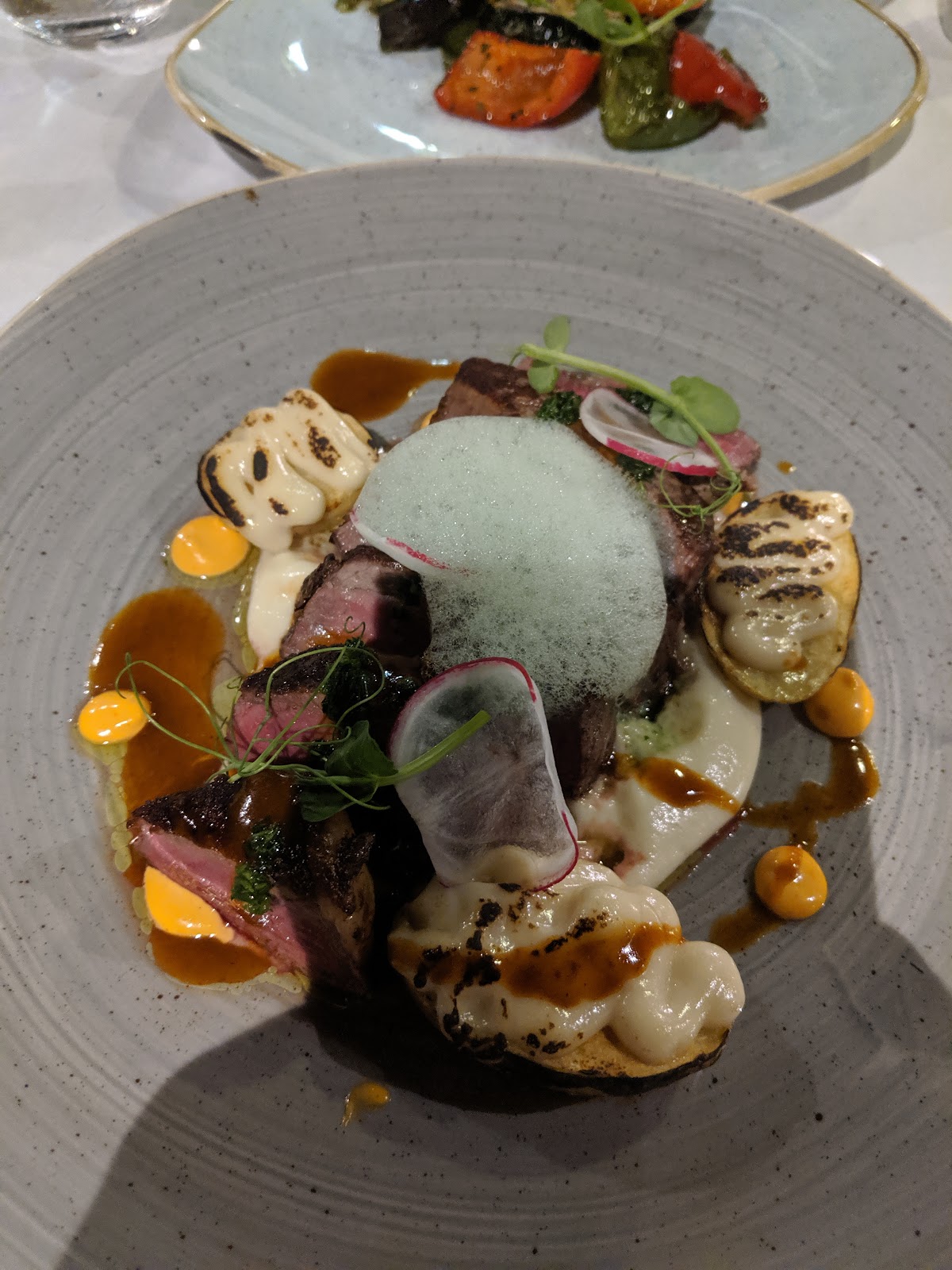
Photography is licensed stock from Unsplash, shown to evoke the setting. It does not depict a specific venue.
Subscribe to The Aisle.
A considered letter on the places worth marrying, sent when we have something genuinely worth your time.
Join free and get our season by destination cheat sheet, the best months to marry in each place.