Written by Morten Andersen · Last reviewed January 2026.
The Dominican Republic has its own wedding cake tradition, the bizcocho dominicano, a light sponge usually filled with fruit and finished with meringue, and most couples build the dessert around it or a modern tiered design.
Much of the cake work is handled by resort pastry teams and independent patissiers around Punta Cana, Bavaro and La Romana, who are used to building for heat rather than a cool European afternoon.
Decide whether you want the local classic or a contemporary design, then taste before you commit and confirm how the cake will be kept cool until it is cut.
For a Dominican wedding, the cake is usually made by your resort pastry team or an independent patissier near Punta Cana, Bavaro or La Romana. The local classic is the bizcocho dominicano, a light sponge with a fruit filling such as pineapple or guava and a meringue finish, though tiered fondant designs are widely available. The heat is the real constraint, so choose a design built to hold, taste the flavours in advance, and agree a cool holding space and a late delivery for the cut.
Rather than name a single ranking, here is how we would judge a cake designer for a Dominican wedding, since the right answer depends on your venue, your menu and how local you want to go. The questions below separate a safe booking from a regretted one.
Ask for a tasting of the actual flavours and fillings, not only a photo of past work. A cake that photographs beautifully can still disappoint at the table, so judge the sponge, the filling and the sweetness before you book.
Buttercream and meringue soften fast in Caribbean heat. Ask for a fondant or a heat stable finish for an outdoor reception, and confirm how the cake is stored and at what point it comes out for the cut.
The bizcocho dominicano, a light sponge with pineapple or guava and a meringue finish, is the local signature. Decide whether you want that classic, a modern tiered design or a mix, and brief the patissier so the dessert suits your menu.
Many cakes are made by the resort pastry team, while others come from an independent patissier who must deliver and assemble on site. Confirm who builds, transports and finishes the cake, and who keeps it cool until service.
A beach, a garden and a ballroom each carry heat and humidity differently. Share your venue, the time of day and the dinner format so the patissier can choose a design that holds up in the room you have chosen.
The hurricane season runs June to November, with the highest risk late in that window, and the heat is fierce year round. The drier December to April months are kinder to a cake and busiest for the best teams, so book early for those dates.
Arrange a tasting once your date and venue are set, and confirm the design, the number it serves and the delivery window in writing. For an independent patissier, agree who assembles the cake at the venue.
Confirm how many the design serves, how it will be displayed and kept cool, and when you will cut it. Brief your caterer and planner so the cake appears at its best and is served before the heat works against it.
A wedding cake in the Dominican Republic ranges widely. A simple tiered design from a resort team can be modest or folded into a package, while a larger bespoke centrepiece from an independent patissier runs to several hundred US dollars, reviewed January 2026. Size, design and delivery all move the figure.
Read each quote for what it includes. A display stand, fresh flowers, delivery to an off resort venue and on site assembly can sit on top of the headline price, so confirm the finished, delivered cost for your guest count.
Figures are indicative and reviewed January 2026. They move with design, size, delivery and on site assembly. Confirm the finished price and what it serves directly with each patissier or resort.
Tell us your date, your venue and the style of cake you love. We reply within 48 hours with a tailored shortlist for the Dominican Republic, at no cost to you.
Many Dominican caterers and resort teams offer dessert, but a dedicated patissier creates a true centrepiece. Brief both together so the sweet course and the cake complement rather than repeat each other.
Fresh flowers, a stand and styling turn a cake into a focal point of the room. A florist whose palette matches your scheme can dress the cake table so it photographs as well as it tastes, even in the heat.
A planner coordinates delivery, the display and the timing of the cut so a fragile piece arrives intact and is shown at its best. For a destination wedding, that logistics handling is worth its weight.
Most cakes are made by resort pastry teams or independent patissiers near Punta Cana, Bavaro and La Romana. The right choice depends on your venue and whether you want the local classic or a modern design.
The classic is the bizcocho dominicano, a light, airy sponge usually filled with fruit such as pineapple or guava and finished with a meringue style icing. Tiered fondant cakes are also widely available.
Only if it is designed for it. Ask for a fondant or heat stable finish for an outdoor reception, a cool holding space at the venue and a late delivery window so the cake is at its best for the cut.
Six to nine months is sensible, and sooner for the busy December to April season. Arrange a tasting once your date and venue are set, and confirm the design and delivery plan in writing.
A simple design can be modest or part of a resort package, while a larger bespoke cake runs to several hundred US dollars as of January 2026. Delivery, a stand and flowers can be extra.
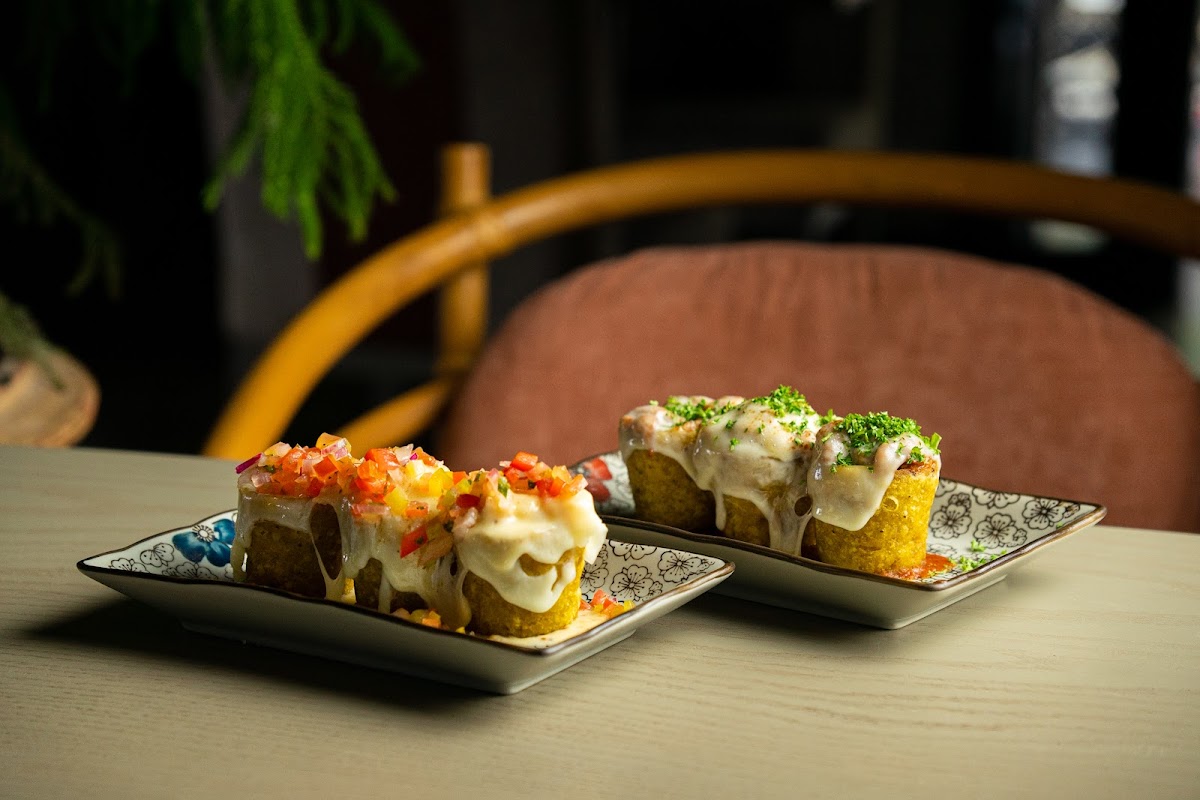
Images are licensed editorial stock for illustration. They do not depict a specific vendor, venue or wedding.
One considered letter a month. The planners and makers we rate, the seasons to chase, and the logistics couples underestimate.
Join free and get our season by destination cheat sheet, the best months to marry in each place.